U.S. Army Expands Missile Defense Capabilities in FY2027 Budget

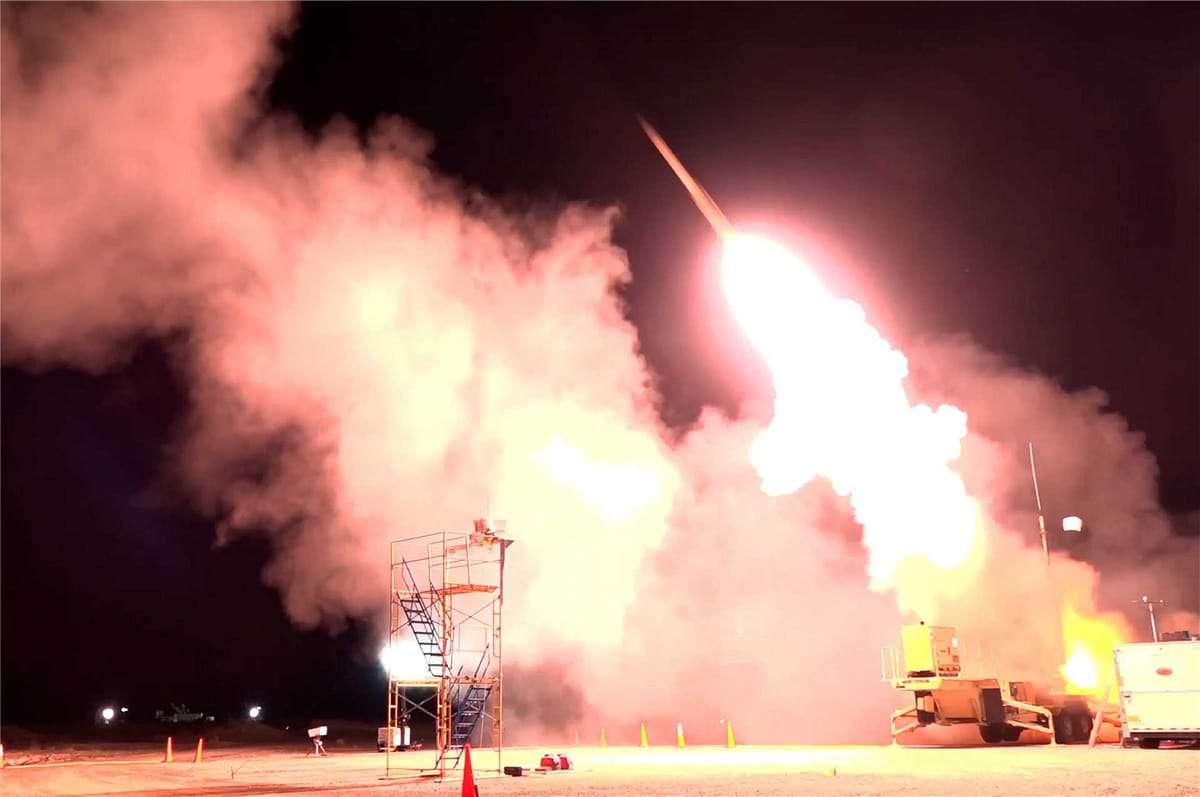
The U.S. Army is taking significant steps to bolster its missile defense systems as part of its FY2027 budget. This expansion includes a request for a total of 3,655 interceptors across two key systems: the Terminal High Altitude Area Defense (THAAD) and the Patriot PAC-3 MSE. The scale of this procurement reflects a strategic pivot towards enhancing defense capabilities in the Indo-Pacific region.
The Procurement Breakdown
In a dual approach to missile defense, the U.S. Army has outlined specific requirements for each system:
- THAAD Interceptors: The Army is requesting 857 THAAD interceptors to enhance air defense capabilities across the Indo-Pacific.
- PAC-3 MSE Interceptors: Additionally, a request has been made for 2,798 PAC-3 MSE interceptors, marking one of the largest missile defense acquisitions in recent history.
This combined total of interceptors underscores the Army's recognition of the evolving threat landscape, particularly in high-intensity conflict scenarios.
The Strategic Calculus
The emphasis on both THAAD and PAC-3 MSE systems indicates a comprehensive strategy aimed at countering advanced missile threats. Analysts will be watching how this procurement aligns with ongoing geopolitical tensions, especially in the Indo-Pacific, where missile defense capabilities are crucial for maintaining regional stability.
The implications of these requests are significant:
- Strengthened deterrence against potential adversaries.
- Increased readiness for high-intensity warfare scenarios.
- Enhanced collaboration with allies in missile defense initiatives.
As the U.S. Army moves forward with this procurement, the focus will remain on integrating these systems into existing defense architectures while ensuring interoperability with allied forces.
What Comes Next
With the FY2027 budget request now public, the next steps will involve Congressional review and potential adjustments based on strategic assessments and budgetary considerations. The Army aims to ensure that these systems are not only procured but also effectively integrated into a cohesive defense strategy.
This significant investment in missile defense capabilities reflects the U.S. commitment to maintaining a robust defense posture in a rapidly changing global environment.
Sources: Armyrecognition, Defence Industry Europe, Zona Militar, The Jerusalem Post, and Military Times