U.S. Army Invests $4.15B in Counter-Drone Technologies Amid Growing Threats

The U.S. Army is enhancing its counter-drone capabilities through significant investments in technology and infrastructure. A recent announcement revealed that the Army has signed contracts totaling $4.15 billion with ten companies to develop advanced systems aimed at detecting and neutralizing hostile drone threats. This move comes in response to increasing concerns over drone incursions, particularly along the southern U.S. border.
Permanent Test Lanes Established in Arizona
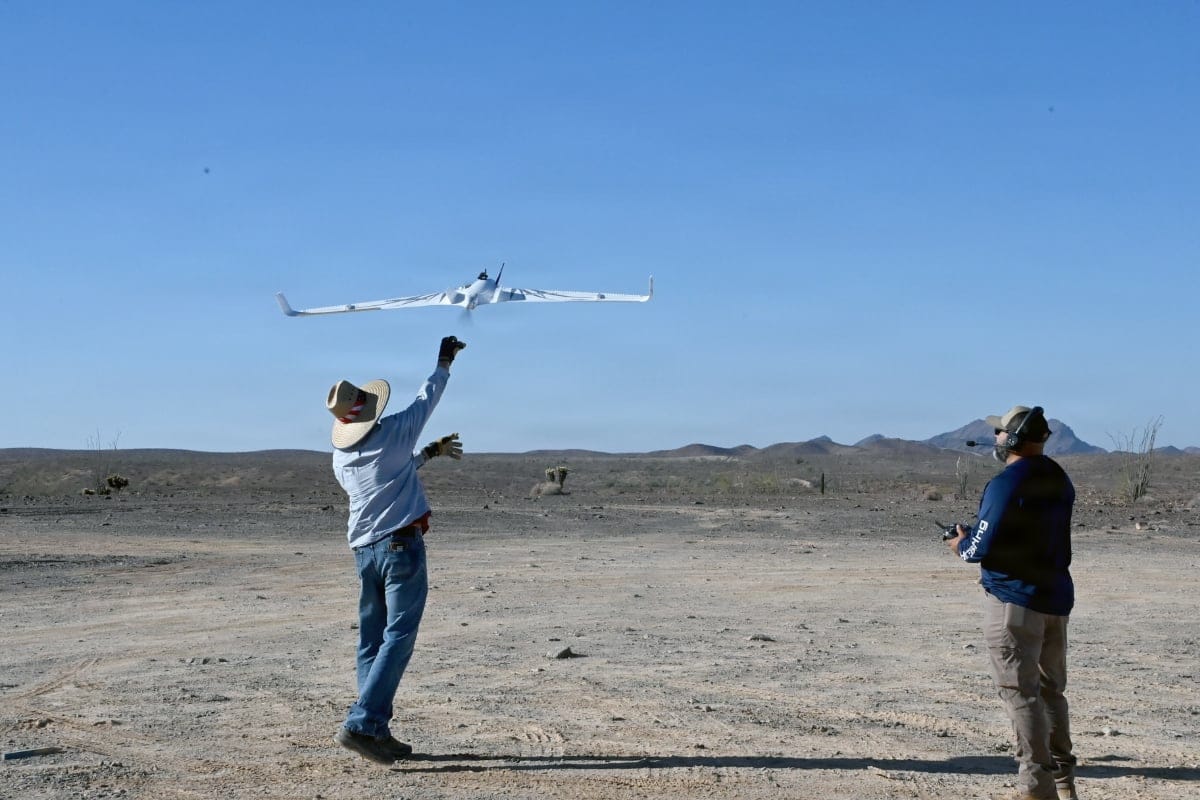
In a parallel effort to bolster its counter-drone initiatives, the U.S. Army has opened permanent test lanes at the Yuma Proving Ground in Arizona. Throughout September, various counter-drone systems were subjected to scenarios designed to simulate real-world drone incursions. These test lanes will serve as a critical resource for evaluating the effectiveness of different technologies in a controlled environment.
Details of the Contracts and Technologies
The contracts awarded include a range of technologies, with a focus on:
- Commercial radars
- Cameras
- Jammers
- Weapons designed to defeat drone threats
Seven of the awarded companies received specific funding ceilings, although the identities of all ten contracting firms have not been disclosed. This comprehensive approach aims to ensure that the Army is equipped with the latest innovations in drone detection and mitigation.
As the U.S. ramp up its counter-drone measures, other nations are also making strides in drone technology. For example, Ukraine has opened its battlefield data to UK companies through its Avengers AI Labs, facilitating the development of AI-driven drone technologies that can benefit military operations. This collaboration could lead to advanced drone capabilities that might shape future engagements.
Taiwan's New Aerospace Initiative
Meanwhile, Taiwan has launched an aerospace and drone industrial campus aimed at reducing its reliance on Chinese components. This facility is designed to host up to 100 companies and is part of a broader strategy to strengthen its domestic defense capabilities and supply chain resilience. Such initiatives are crucial as Taiwan continues to face escalating tensions with China, particularly in the realm of technology and defense.
The combined efforts of the U.S., Ukraine, and Taiwan reflect a global focus on counter-drone technologies and self-reliance in defense manufacturing. As military stakeholders adapt to the evolving landscape of aerial threats, the advancements in both offensive and defensive drone technologies will likely play a pivotal role in future conflicts.
Sources: Defence-Blog, Defensenews, Thedefensepost, army.mil, DefenseScoop, uasweekly.com, and U.S. Department of War (.gov)
Edited by Daniel Vazdar, Editor. How DEFCROS News reports, sources and corrects.