U.S. Army Invests Over $1.3 Billion in Advanced Systems and Defense Capabilities

The U.S. Army is significantly enhancing its operational capabilities through a series of substantial contracts and developments, totaling over $1.3 billion. This investment reflects a strategic push towards modernizing equipment and technology to improve combat readiness and counter emerging threats.
Integration of Scorpion Light Mortars
The Army has awarded Global Military Products a contract worth $12.9 million to integrate the Scorpion Light 81mm mobile mortars onto Infantry Squad Vehicles (ISV-U). This initiative aims to provide an automated shoot-and-scoot capability, enhancing the mobility and firepower of infantry units in the field.
Advancements in Counter-Drone Technology
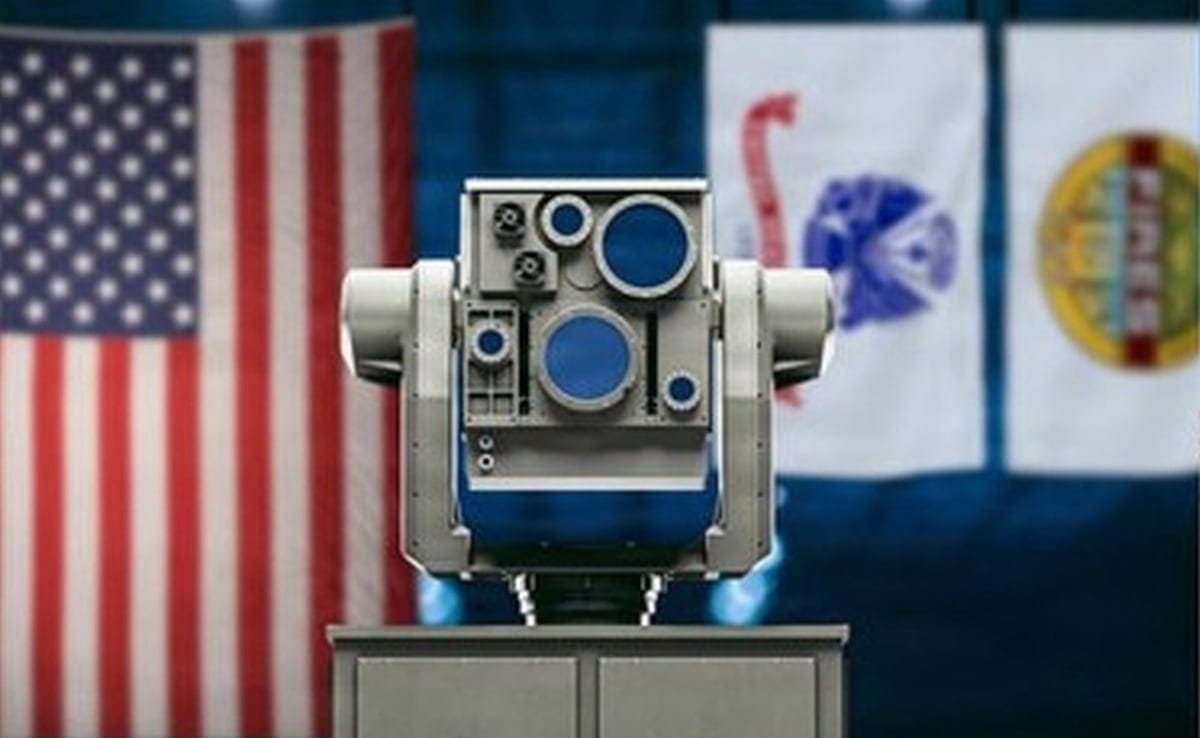
In a proactive move against drone threats, the Army has contracted AeroVironment for a $464.8 million production of the LOCUST X3 laser weapon system. This system is designed to deliver a reusable 30 kW counter-drone laser capability, specifically targeting Group 1-3 unmanned aircraft. The focus on counter-drone technology underscores the evolving battlefield dynamics and the need for effective defense mechanisms.
- $464.8 million for LOCUST X3 laser production
- $12.9 million for Scorpion Light mortars integration
- $712 million to sustain M739A1 artillery fuze production through 2031
- $192 million for TITAN AI targeting systems
Enhanced Intelligence and Targeting Systems
The U.S. Army is also transitioning the TITAN AI targeting system into production, supported by a $192 million investment. This AI-enabled system is expected to enhance intelligence and targeting capabilities, which are critical in modern warfare scenarios.
Additionally, the Army is testing tethered drones mounted on moving ISV-U vehicles at Fort Benning. This effort aims to evaluate continuous elevated ISR (Intelligence, Surveillance, and Reconnaissance), radio relay, and counter-jamming capabilities. Such technological innovations are crucial for maintaining operational superiority against adversaries employing electronic warfare techniques.
Lastly, a $712 million contract has been awarded to sustain M739A1 artillery fuze production through 2031, addressing the growing demand for artillery munitions as operational requirements increase. This move is pivotal for ensuring that U.S. forces remain well-equipped to meet current and future challenges on the battlefield.
Sources: Armyrecognition, Defensenews, Thedefensepost, The Defense Post, Shephard Media, Meta-Defense, and Military Embedded Systems
Edited by Daniel Vazdar, Editor. How DEFCROS News reports, sources and corrects.