U.S. Control Over Canadian Oil Exports at Risk Amid Diversification to Asia

Strategic Vulnerabilities in Energy Supply
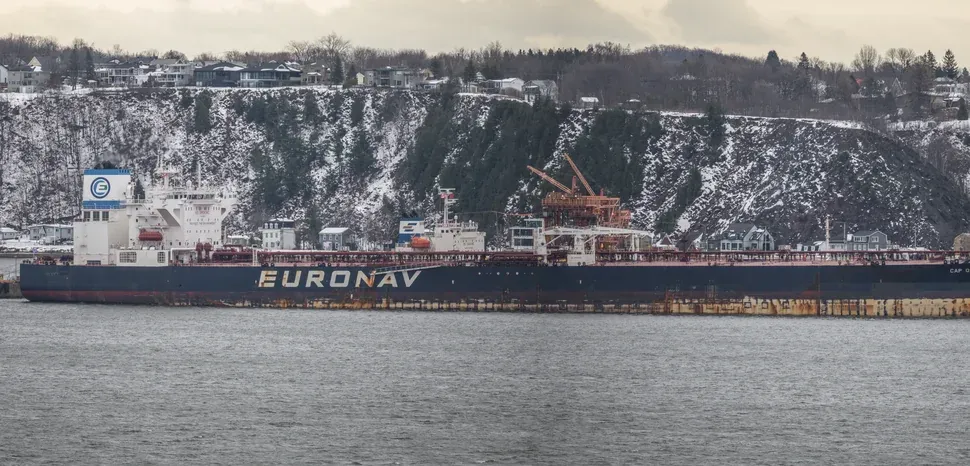
As of 2025, Canada plays a crucial role in the energy landscape, supplying nearly two-thirds of U.S. crude oil imports. With a growing focus on diversifying its export routes towards Asia, Canada is potentially exposing itself to vulnerabilities that the U.S. could exploit. The U.S. Navy's capability to influence maritime access through key straits could be a critical factor in this complex dynamic.
Canada's shift towards Asian markets could alter the balance of energy security not only for itself but also for the United States. The reliance on Canadian oil has historically been a cornerstone of U.S. energy strategy. However, as Canada explores alternative routes, the U.S. may feel compelled to reconsider its defensive posture, particularly in maritime zones that are vital for oil transport. Closing these straits could have significant implications for Canada's economy and its energy independence.
Such developments pose a challenge to U.S.-Canada relations and could lead to increased competition for energy resources on a global scale. If the U.S. demonstrates a willingness to exert military pressure to maintain its energy supply, it could fundamentally shift the nature of bilateral ties and regional stability. A recalibration of Canadian energy strategies may be necessary to mitigate these risks and maintain a balanced approach to its international partnerships.
Sources: Geopoliticalmonitor, Atlantic Council, THE INTERNATIONAL AFFAIRS REVIEW, cer-rec.gc.ca, and Crude Oil Prices Today | OilPrice.com
Edited by Daniel Vazdar, Editor. How DEFCROS News reports, sources and corrects.