U.S. Expands THAAD Missile Production to Address Evolving Air Threats

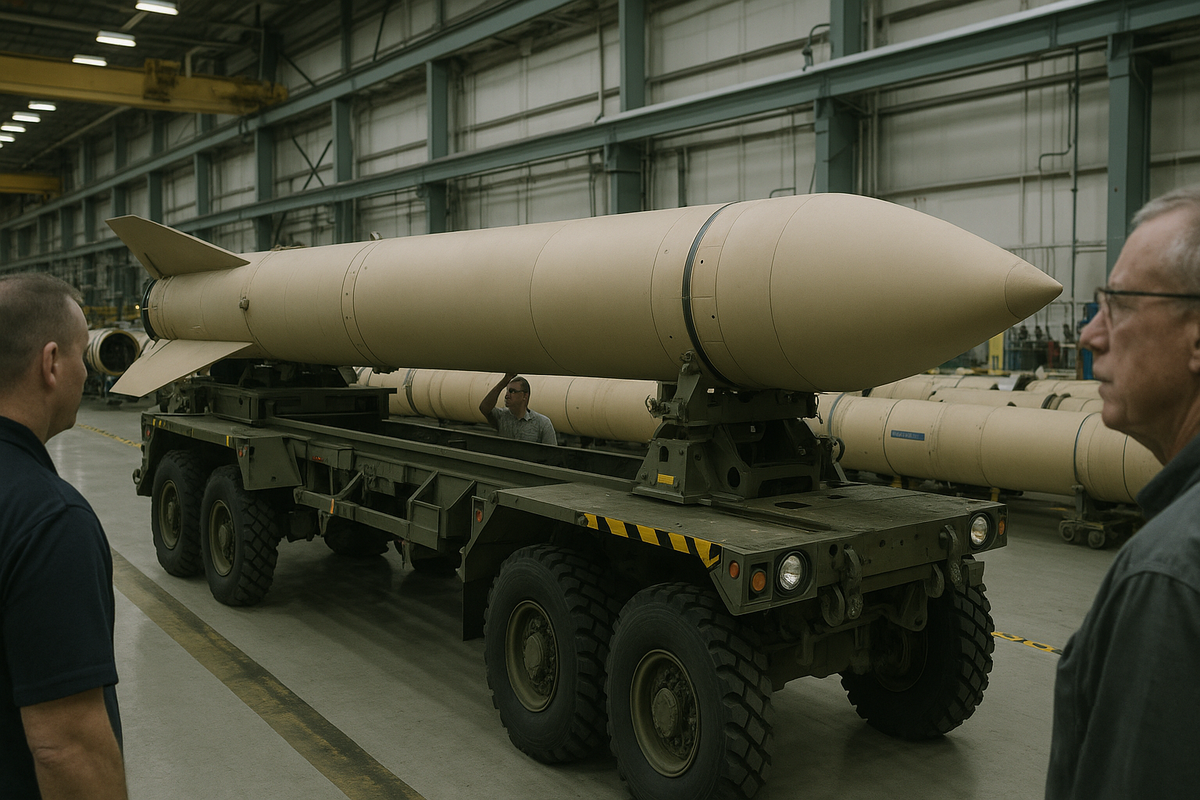
Strengthening Defense Capabilities
In a significant move to enhance air defense, the U.S. is expanding production of the Lockheed Martin Terminal High Altitude Area Defense (THAAD) missile system. This decision comes as the U.S. aims to bolster its defenses against increasing threats from drones and missiles, reflecting an evolving security landscape.
The expansion of THAAD production is a response to the rapid advancements in missile technology and the growing prevalence of unmanned aerial vehicles (UAVs) that pose risks to national security. As adversaries enhance their capabilities, the need for robust air defense systems has never been more critical. The THAAD system is designed to intercept and destroy short, medium, and intermediate-range ballistic missiles during their terminal phase of flight, making it a vital component of the U.S. defense strategy.
Why It Matters
This strategic expansion is indicative of a broader commitment to ensuring that the U.S. remains prepared against modern air threats. The implications of this move suggest a proactive approach to defense, focusing on adapting to the changing nature of warfare. Increased THAAD production could enhance the U.S.'s deterrence posture, reassuring allies and partners in regions vulnerable to missile threats. Additionally, analysts will be watching how this development impacts international defense relations and potential shifts in defense spending priorities among U.S. allies.
Sources: Armyrecognition, The Defense Post, Defence Industry Europe, Lockheed Martin, and CSIS | Center for Strategic and International Studies