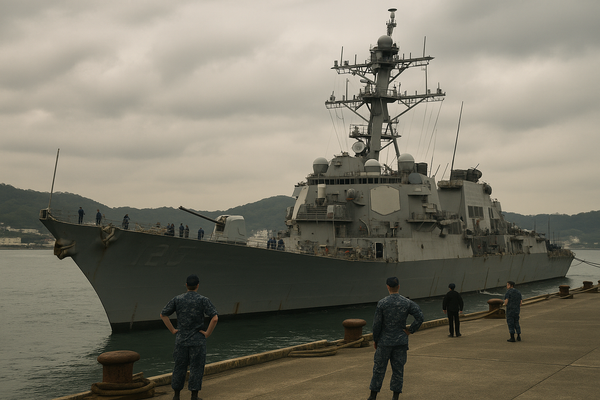
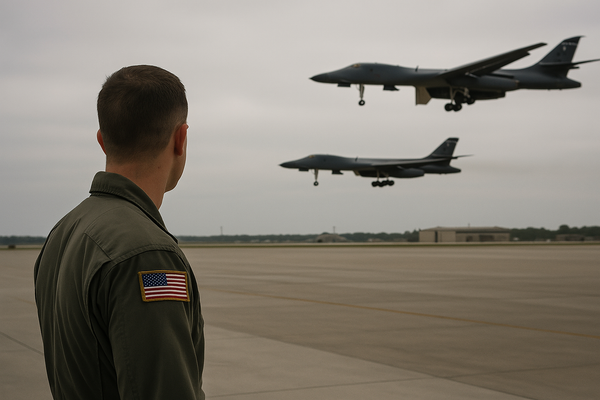
U.S. Forces Thwart Iranian Missile Attacks in the Gulf Region

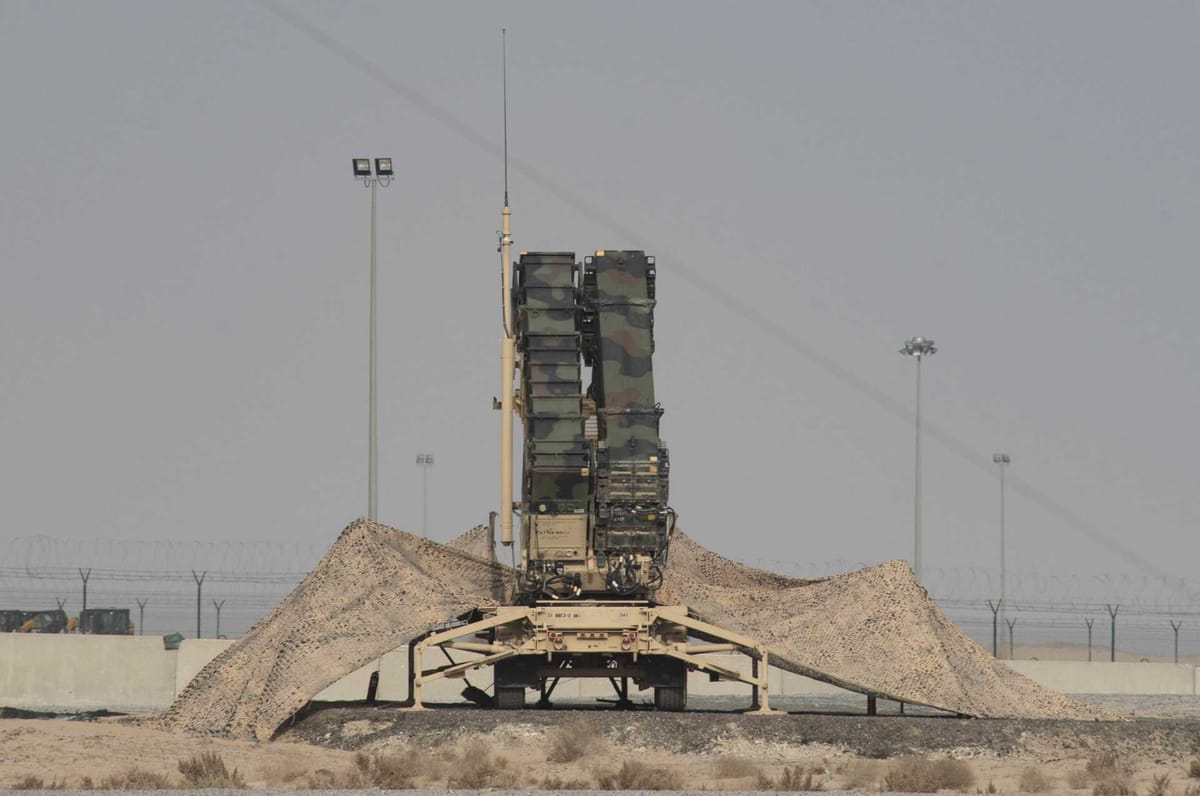
Intercepting Threats in the Gulf
U.S. forces successfully intercepted six Iranian ballistic missiles aimed at Gulf partners and the strategic Strait of Hormuz. This operation underscores the ongoing tensions in the region, as military assets continue to be deployed to protect allies and critical maritime routes.
The interception highlights a significant escalation in Iranian military capabilities and intentions, as the use of missiles and drones indicates a shift towards more direct threats against U.S. interests and those of its partners. The Strait of Hormuz, a vital chokepoint for global oil shipments, remains a focal point of geopolitical competition, making it imperative for U.S. forces to maintain vigilance and readiness in the face of potential aggression.
Strategic Implications
The events in the Gulf underscore the importance of U.S. military presence in deterring Iranian provocations. As tensions continue to rise, the need for robust defense systems and intelligence capabilities will be vital in ensuring the safety of maritime operations and regional stability. U.S. forces are likely to continue their proactive measures in response to Iranian missile threats.
This situation raises questions about the future of U.S.-Iran relations and the potential for further military engagements in the region. Analysts will be closely monitoring developments, particularly regarding Iran's missile program and the implications for regional allies. The evolving landscape necessitates a comprehensive approach to defense strategies that address both current threats and long-term stability in the Gulf.
Sources: Armyrecognition, Al Jazeera, BBC, Fortune, and The New York Times