U.S. Invests $2 Billion in Underground Network for LGM-35A Sentinel ICBM

New Infrastructure for Strategic Deterrence
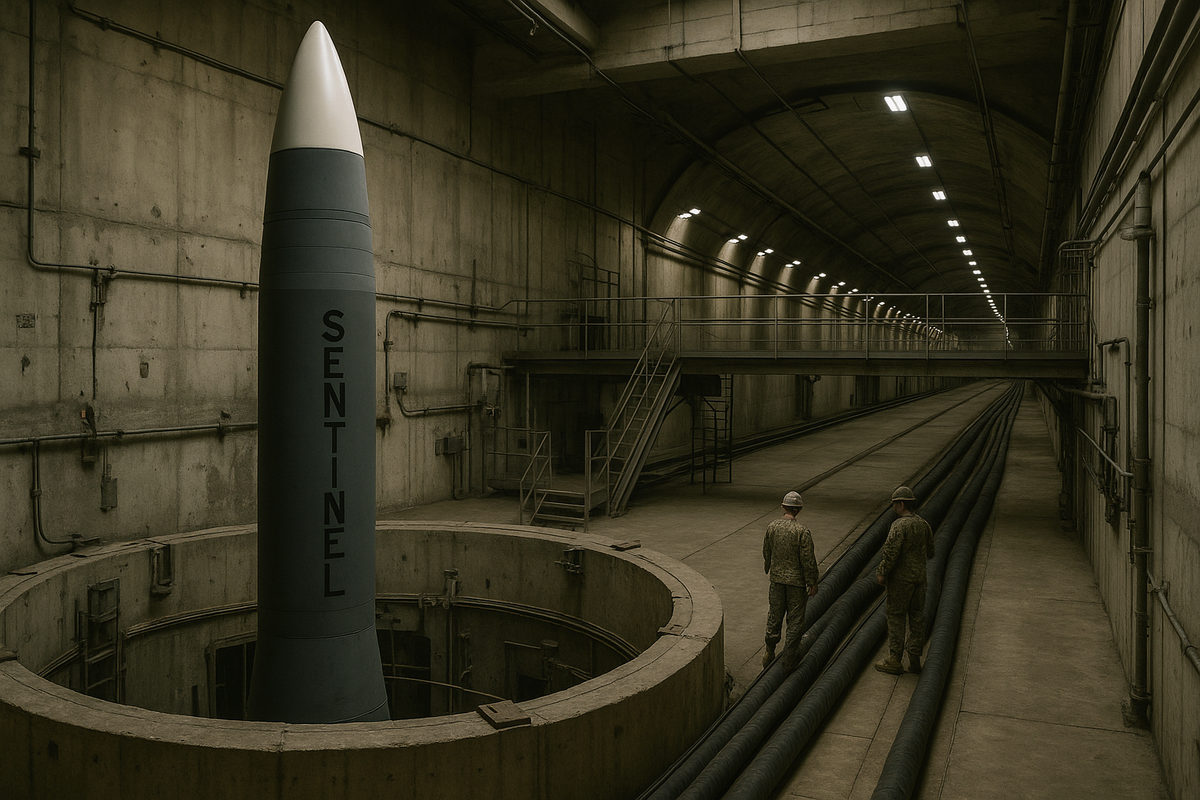
The United States has announced a plan to construct a $2 billion underground network for the new LGM-35A Sentinel Intercontinental Ballistic Missile (ICBM), which is designed to replace the aging Minuteman III system. This initiative underscores the U.S. commitment to modernizing its nuclear deterrent capabilities amidst evolving global threats.
The LGM-35A Sentinel ICBM represents a significant advancement in missile technology. The decision to build hardened underground links is a strategic move aimed at enhancing the survivability and reliability of the missile system. By investing in this infrastructure, the U.S. seeks to ensure that its nuclear arsenal remains effective against potential adversaries, maintaining a balance of power in an increasingly uncertain international landscape.
Moreover, the establishment of this underground network could shift the dynamics of nuclear deterrence. It may complicate adversaries' targeting calculations, as the hardened facilities are designed to withstand potential strikes. This development is particularly relevant as nations like Russia and China continue to expand and modernize their own nuclear capabilities.
Ultimately, the investment in the LGM-35A Sentinel's supporting infrastructure signifies a robust approach to national security. It not only modernizes the U.S. nuclear triad but also sends a clear message to both allies and adversaries regarding U.S. resolve in maintaining strategic deterrence.
Sources: Armyrecognition, stripes.com, The Defense Post, Air & Space Forces Magazine, and Ars Technica
Edited by Daniel Vazdar, Editor. How DEFCROS News reports, sources and corrects.