U.S. Marines and Navy Expand Drone Warfare Capabilities with Live-Fire Exercises

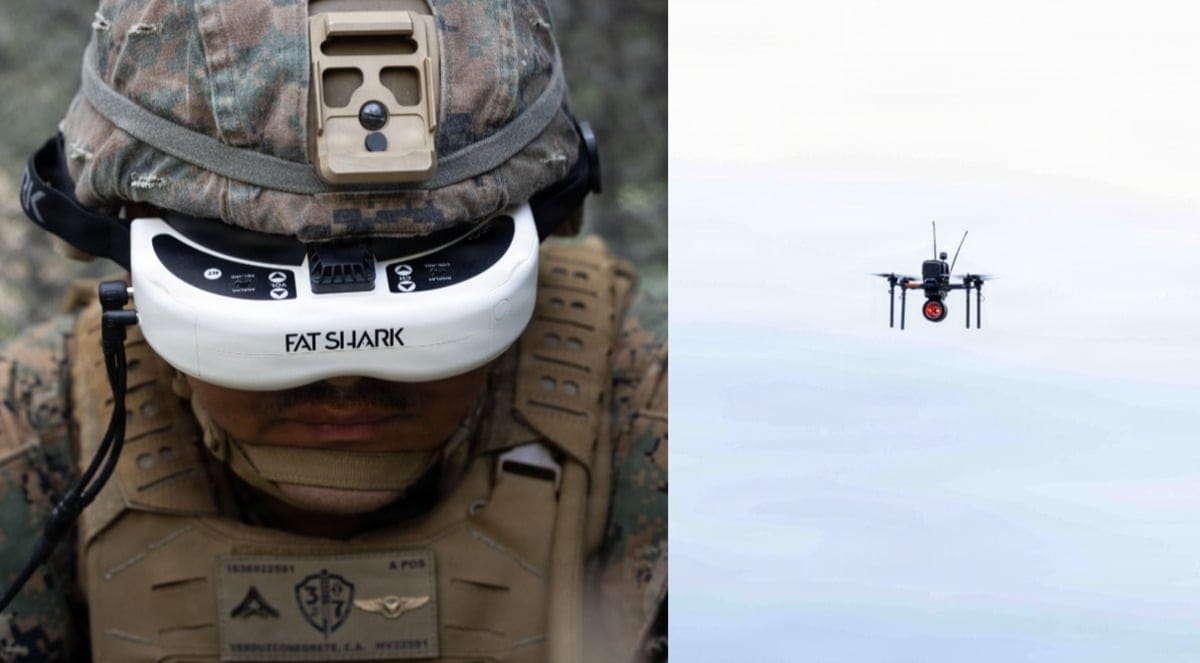
The U.S. military is taking significant strides in integrating drone technology into its operational framework, as evidenced by recent developments involving the Marine Corps and the Navy. These advancements highlight a growing emphasis on unmanned systems in both ground and naval operations.
U.S. Marines Engage in Live-Fire Drone Operations
In a landmark event, U.S. Marines have successfully conducted live-fire operations with attack drones in South Korea for the first time. This evolution in tactics is seen as a crucial step towards incorporating drone systems into broader combat scenarios. The Marine Corps has stated that this capability will enable them to better utilize these systems in potential conflicts.
Armored Solutions for Amphibious Vehicles
In response to emerging threats, the Marine Corps is also moving to enhance the defensive capabilities of its amphibious vehicles against drone surveillance. These vehicles, designed to transition from sea to land, currently lack adequate protection against commercially available drones. The Marines have confirmed plans to procure solutions that will enable them to counter such aerial threats effectively.
- Amphibious vehicles can swim ashore from warships.
- Commercial drones pose surveillance challenges during landings.
- The Marine Corps is sourcing new solutions to address these vulnerabilities.
Navy's GARC Uncrewed Surface Vessel in Action
Meanwhile, the U.S. Navy has made strides in its unmanned maritime capabilities, showcasing its Global Autonomous Reconnaissance Craft (GARC) in its first live-fire training exercise. This uncrewed surface vessel demonstrated its operational potential by engaging a decommissioned ship in a dramatic attack scenario, signaling a commitment to integrating advanced technologies into naval warfare.
Additionally, the Pentagon has issued a request for proposals for drone boats capable of launching attack drones, with an ambitious timeline of readiness for testing within 120 days. This initiative underscores the Pentagon's focus on rapidly advancing its unmanned capabilities, aligning with ongoing modernization efforts across the military branches.
The combination of these developments points to a strategic pivot in U.S. military operations, prioritizing unmanned systems to enhance effectiveness in both land and maritime environments.
Sources: Defence-Blog, Defensenews, pacom.mil, Ednews.net, The Korea Times, and Marine Insight
Edited by Daniel Vazdar, Editor. How DEFCROS News reports, sources and corrects.