U.S. Marines Enhance Air Defense and Mobility in Indo-Pacific Region

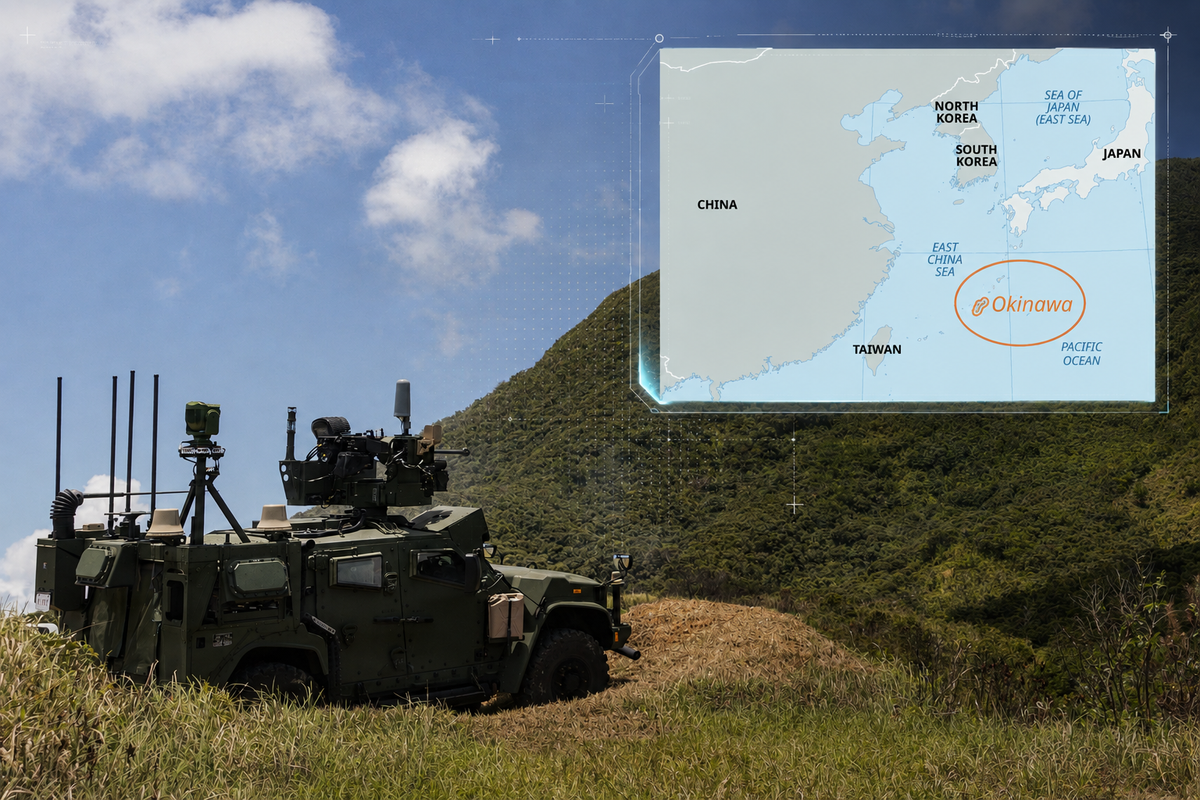
The U.S. military is advancing its defense capabilities in the Indo-Pacific, as evidenced by recent maneuvers and equipment deployments aimed at countering emerging threats, particularly from adversaries like China and Russia. The strengthening of air defense systems and the introduction of new combat vehicles are pivotal elements of this strategic enhancement.
Layered Air Defense Initiatives in Okinawa
The U.S. Marines have initiated live-fire training exercises in Okinawa, focusing on the Mobile Air Defense Integrated System (MADIS). This training is designed to bolster mobile air defense against drone threats along the First Island Chain. The deployment of MADIS reflects a proactive approach to addressing the increasing use of unmanned aerial systems by potential adversaries.
- Live-fire training demonstrates operational readiness.
- Focus on countering drone threats in the region.
- Strengthened coordination with other U.S. forces stationed in the area.
Additionally, the U.S. Army continues to rely on the Avenger air defense system, which provides mobile short-range protection against drones and low-altitude threats across dispersed Pacific sites. This system complements the MADIS efforts and ensures a multi-layered defense strategy is in place.
Recent Developments in Belarus
In a related context, Belarus is expanding its military capabilities near Ukraine, specifically the 37th Air Assault Brigade. This expansion includes the addition of new artillery, air-defense, and reconnaissance units. The bolstering of Belarusian military assets may have implications for regional stability and reflects ongoing tensions in Eastern Europe.
Australia's Ground-Based Air Defense Advancements
On another front, Australia has successfully tested a future Aegis-based ground-based air defense system in collaboration with Lockheed Martin and the U.S. Navy. The live-fire trial indicates a commitment to enhancing their air defense capabilities, which aligns with the broader Indo-Pacific security architecture.
- Collaboration with U.S. defense contractors enhances technological integration.
- Live-fire trials showcase the system's effectiveness.
- Strengthens Australia’s defense posture in the region.
Moreover, U.S. Marines have deployed new Amphibious Combat Vehicles in Japan, aimed at further enhancing Indo-Pacific readiness. This deployment not only boosts rapid crisis response capabilities but also serves as a testament to the U.S. commitment to maintaining a strong presence in the region.
As these developments unfold, the strategic landscape in the Indo-Pacific remains dynamic, with air defense systems and enhanced mobility becoming critical components of the U.S. and allied military strategies.
Sources: Armyrecognition, The Jerusalem Post, pacom.mil, DVIDS, and Business Insider
Edited by Daniel Vazdar, Editor. How DEFCROS News reports, sources and corrects.