U.S. Military Advances in Directed Energy Weapons with Laser Drones

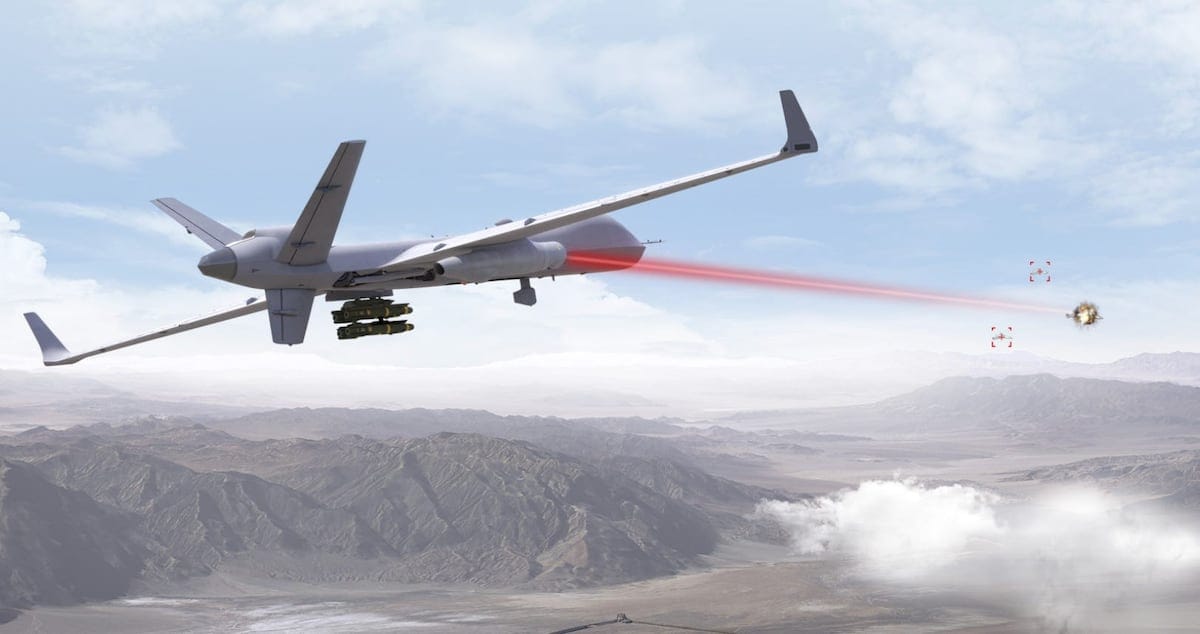
Strategic Development of Laser Drone Technology
The U.S. military is actively pursuing the development of flying directed energy weapons to enhance its capabilities in countering aerial threats. This initiative aims to create a fleet of missile-killing laser drones, reflecting a significant technological shift in American air defense strategy. The move comes amid increasing concerns regarding advanced missile systems and the evolving nature of aerial threats faced by the U.S. and its allies.
Historically, the military has explored various applications of directed energy technologies, but this renewed focus underscores a growing urgency to integrate these systems into operational frameworks. The potential for laser drones to engage and neutralize incoming missiles presents a tactical advantage, enabling rapid response and minimizing collateral damage compared to traditional interceptors. Analysts suggest that this approach could also lead to substantial cost savings over time, as laser systems typically require less maintenance and operational expenditure than conventional missile defense systems.
Why it Matters
The implications of this technological advancement are profound. The integration of laser drones into the U.S. military's defense architecture could redefine air defense strategies, particularly in high-stakes environments. As the military pursues these innovations, it raises questions about the future of aerial warfare and the role of directed energy in shaping global power dynamics. Stakeholders will be closely monitoring developments in this area, as the successful deployment of these systems may bolster U.S. deterrence capabilities and influence defense policies worldwide.
Sources: Defensenews, Military Times, TechStock², RealClearDefense, and Fast Company