U.S. Military Exercises Showcase Rapid Response and Advanced Warfare Capabilities

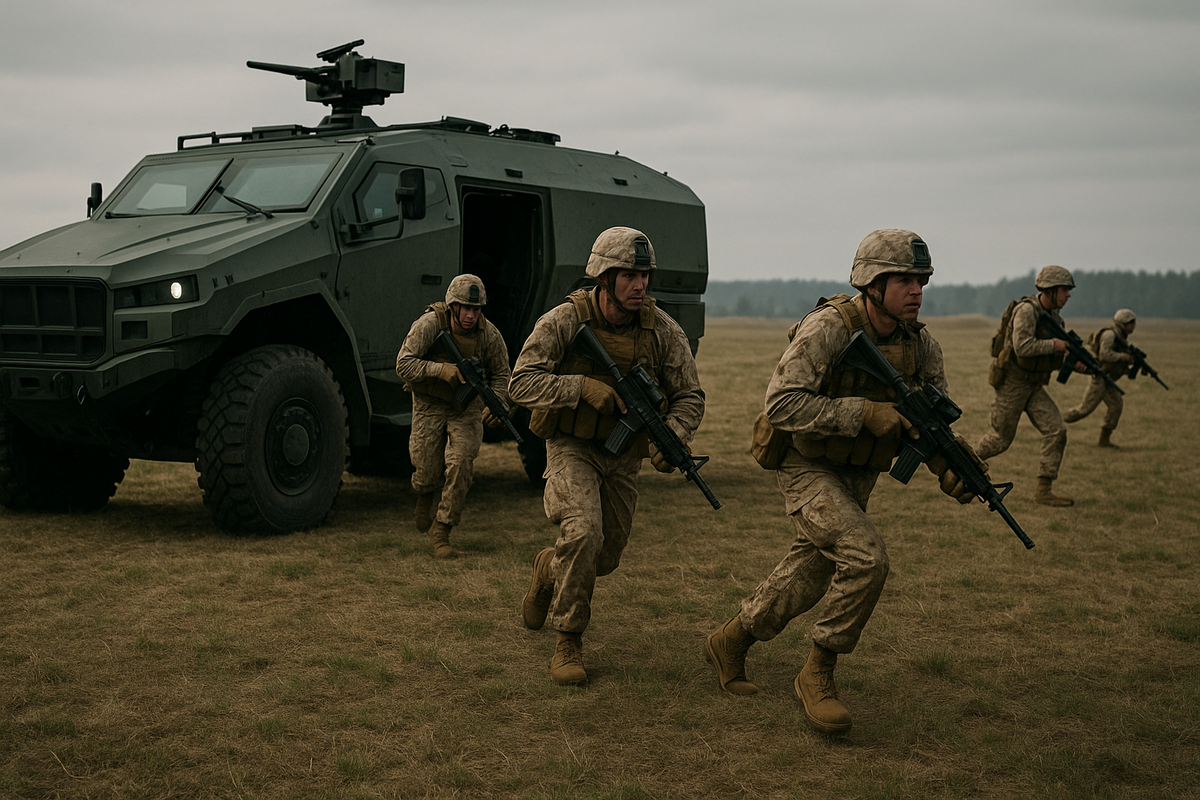
The U.S. military has recently demonstrated its commitment to rapid deployment and advanced warfare capabilities through two significant exercises. One involved the U.S. Marines conducting dual sea and shore operations around Cuba, while the other saw U.S. soldiers testing the Helsing HX-2 AI strike drone in Lithuania as part of NATO exercises. These developments underscore the ongoing focus on enhancing deterrence and operational readiness in key regions.
What Happened
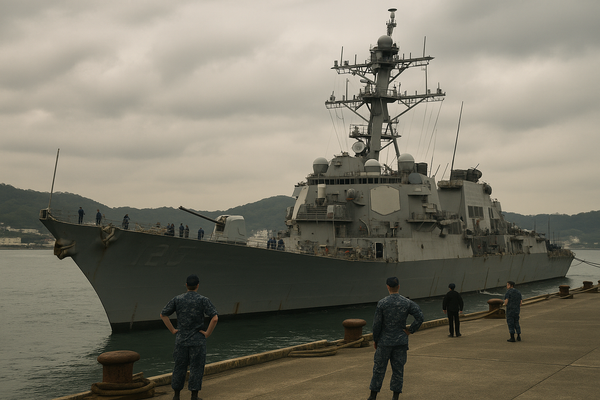
In a show of force, U.S. Marines executed a series of operations surrounding Cuba, highlighting their rapid response capabilities and regional deterrence strategies. This dual sea and shore exercise was designed to demonstrate the effectiveness and coordination of Marine units in a dynamic environment.
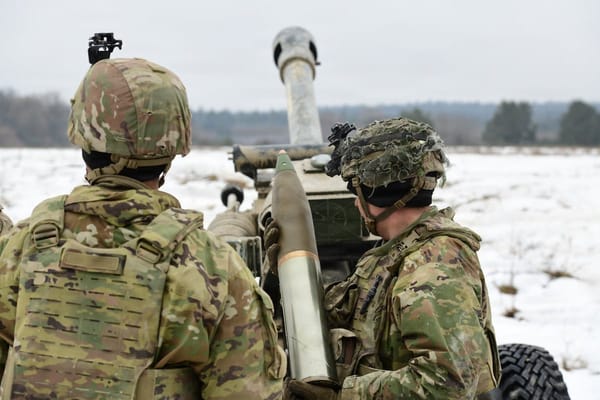
Meanwhile, U.S. soldiers were engaged in NATO Eastern Flank exercises in Lithuania, where they tested the Helsing HX-2 AI strike drone. This advanced drone proved its lethal capabilities by achieving 15 kills during the trials, showcasing a significant leap in drone warfare technology.
The Strategic Calculus
Both exercises reflect a broader strategic calculus aimed at ensuring military readiness in the face of evolving global threats. The operations around Cuba serve to reinforce U.S. presence in the Caribbean, an area of increasing geopolitical interest. The dual nature of the exercise, encompassing both maritime and land operations, illustrates a comprehensive approach to modern military engagement.
- Rapid Deployment: The Marines’ ability to quickly mobilize in response to potential threats is vital for maintaining regional stability.
- Drone Warfare Evolution: The successful performance of the HX-2 AI strike drone indicates a shift towards more autonomous and effective combat systems in NATO operations.
- Deterrence Strategy: Both exercises serve to deter adversaries by showcasing military capabilities and readiness.
What Comes Next
The implication is that these exercises may lead to increased focus on integrating advanced technologies in training and operational plans. Analysts will be watching how the U.S. military adapts its strategies in response to the outcomes of these exercises, especially regarding the integration of AI-driven systems like the HX-2 drone into broader military tactics.
Future U.S. military operations are likely to emphasize the dual capabilities of ground and air forces, leveraging technology to enhance operational effectiveness. The recent exercises not only strengthen alliances within NATO but also send a clear message of readiness to potential adversaries.
Sources: Armyrecognition, Forces News, UK Defence Journal, and Army Recognition