U.S. Missile Shortages and Europe's Defense Aid Increase Amid Ongoing Conflicts

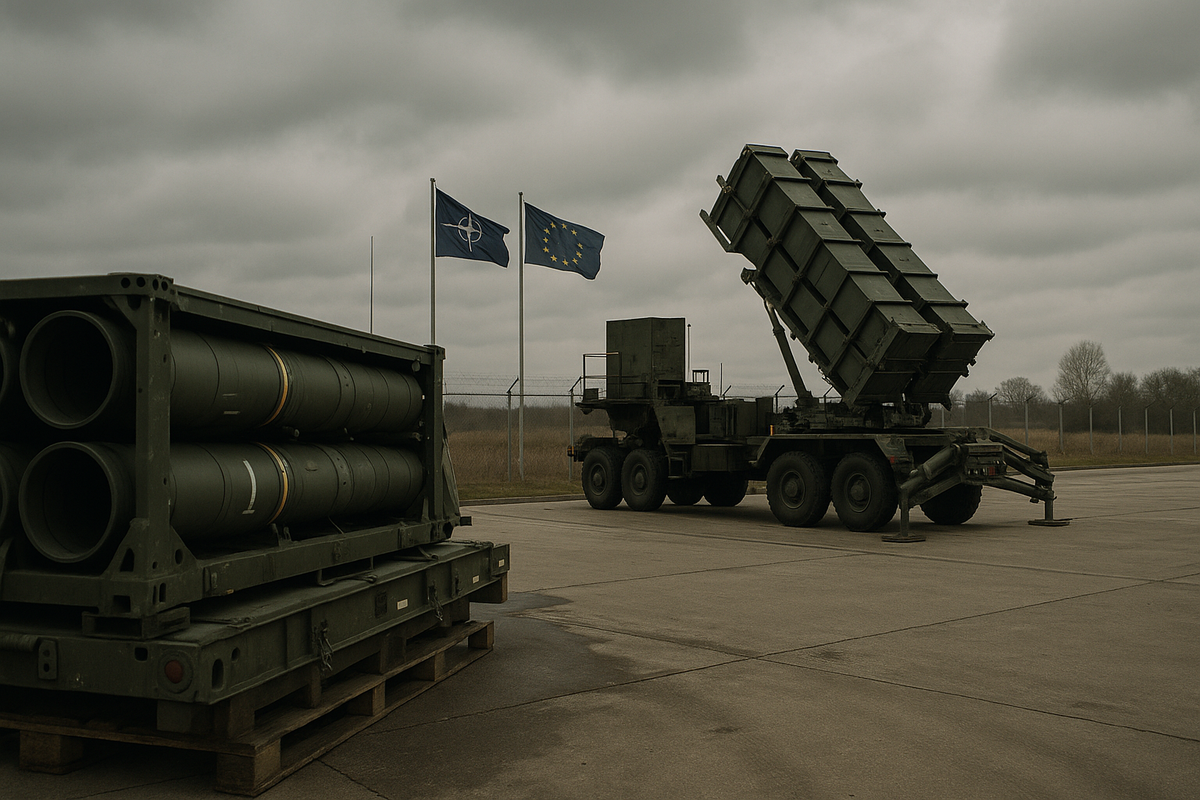
The current geopolitical landscape is marked by escalating pressures on air defense capabilities, particularly as U.S. missile shortages are delaying the delivery of critical systems such as the Patriot and Tomahawk missiles to NATO allies. This situation underscores the urgent need for enhanced defense production and collaboration among allies as threats intensify.
Missile Shortages Impact NATO Deliveries
U.S. missile shortages are causing significant delays in the delivery of allied Patriot and Tomahawk systems. As Washington expands production of the PAC-3 MSE missiles, allied nations are exploring alternative defense systems to mitigate these delays. This shortage is critical given the growing military challenges faced by NATO in the European theater.
Europe's Increased Defense Commitment to Ukraine
In response to intensified Russian drone and missile strikes, European nations are accelerating their defense support for Ukraine, committing an additional €3.3 billion in aid. This funding is aimed at bolstering Ukraine's air defenses, which are under significant pressure from ongoing attacks. The urgency of this aid reflects the evolving security environment and the necessity for immediate support to counter Russian aggression.
Accelerated Production of PAC-3 MSE Missiles
Amid the ongoing conflict with Iran, GM Defense has successfully delivered PAC-3 MSE missile parts to Lockheed Martin in just 22 days, showcasing a surge in production capabilities. This swift turnaround highlights the U.S. commitment to ramping up air-defense missile production in response to external threats. The acceleration of the PAC-3 MSE program aligns with broader defense initiatives aimed at enhancing the United States' readiness and support for its allies.
- U.S. missile shortages delaying deliveries of Patriot and Tomahawk systems.
- Europe commits €3.3 billion to Ukraine defense amid Russian strikes.
- GM Defense delivers PAC-3 MSE parts in just 22 days due to Iran conflict.
The intersection of these developments illustrates a complex defense landscape where logistical challenges and urgent geopolitical needs are reshaping military strategies and partnerships. The reliance on rapid production capabilities and increased defense spending by European allies may serve as a new norm in addressing the evolving threats posed by adversaries.
Sources: Armyrecognition, Українські Національні Новини (УНН), Radio Free Europe/Radio Liberty, TVP World, and UNITED24 Media
Edited by Daniel Vazdar, Editor. How DEFCROS News reports, sources and corrects.