U.S. Naval Power Surge in Central Command Area

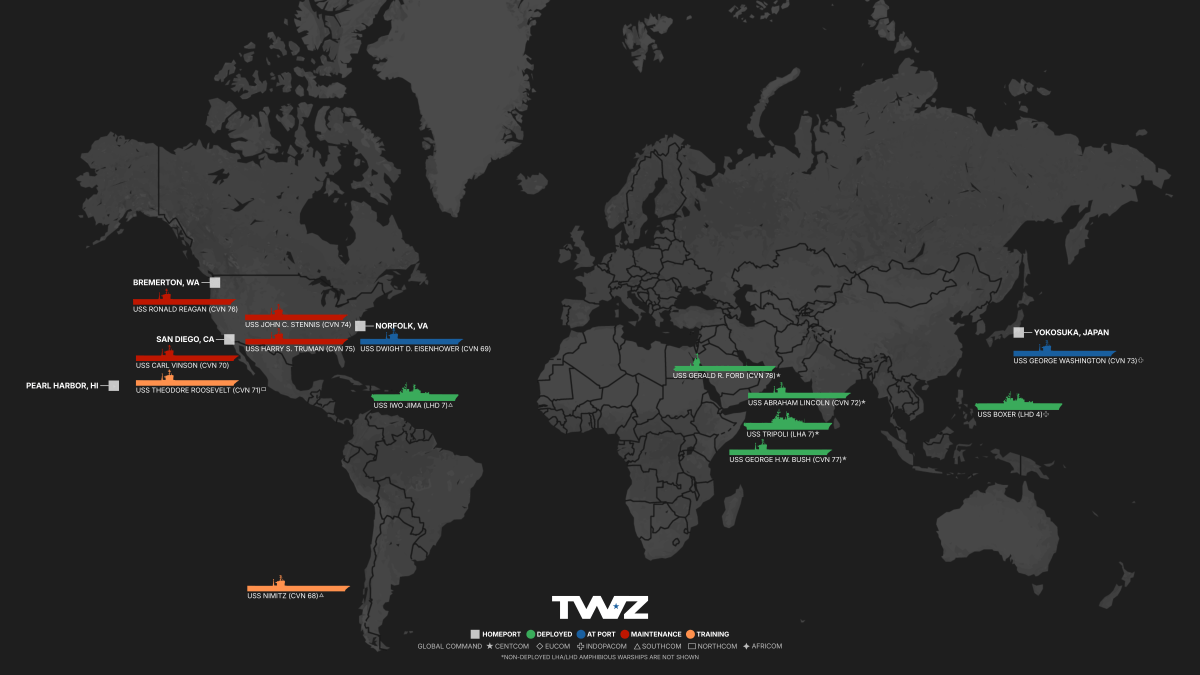
Three Carrier Strike Groups Deployed
As of April 26, 2026, the U.S. has positioned three carrier strike groups within the U.S. Central Command area of responsibility. This marks a significant military presence not seen in over two decades, reflecting a notable shift in naval strategy and readiness in a region that remains critical for U.S. interests.
Context and Analysis
The deployment of multiple carrier strike groups underscores the U.S. Navy's commitment to maintaining operational flexibility and deterrence capabilities in a volatile geopolitical landscape. These strike groups, consisting of aircraft carriers and accompanying vessels, enhance the U.S. military's ability to project power and respond swiftly to emerging threats in the Middle East and surrounding areas.
In this context, analysts are observing how this increased naval presence might influence regional dynamics, particularly concerning adversarial nations. The historical context of U.S. carrier deployments suggests that such a buildup may serve as a signal to both allies and rivals regarding the seriousness of the U.S. commitment to regional security.
Why It Matters
This situation raises questions about potential escalations in military posturing among U.S. adversaries in the region. The implication is that with three carrier strike groups now operational in Central Command, the U.S. may be better positioned to deter aggression, while also ensuring the protection of American interests and allies. The strategic choices made today could have long-term ramifications for U.S. military readiness and international relations in the Middle East.
Sources: Twz, WION, www.israelhayom.com, Pakistan Today, and Al Jazeera