U.S. Navy Pursues Prototypes for Silent Anvil Air-Launched Torpedo

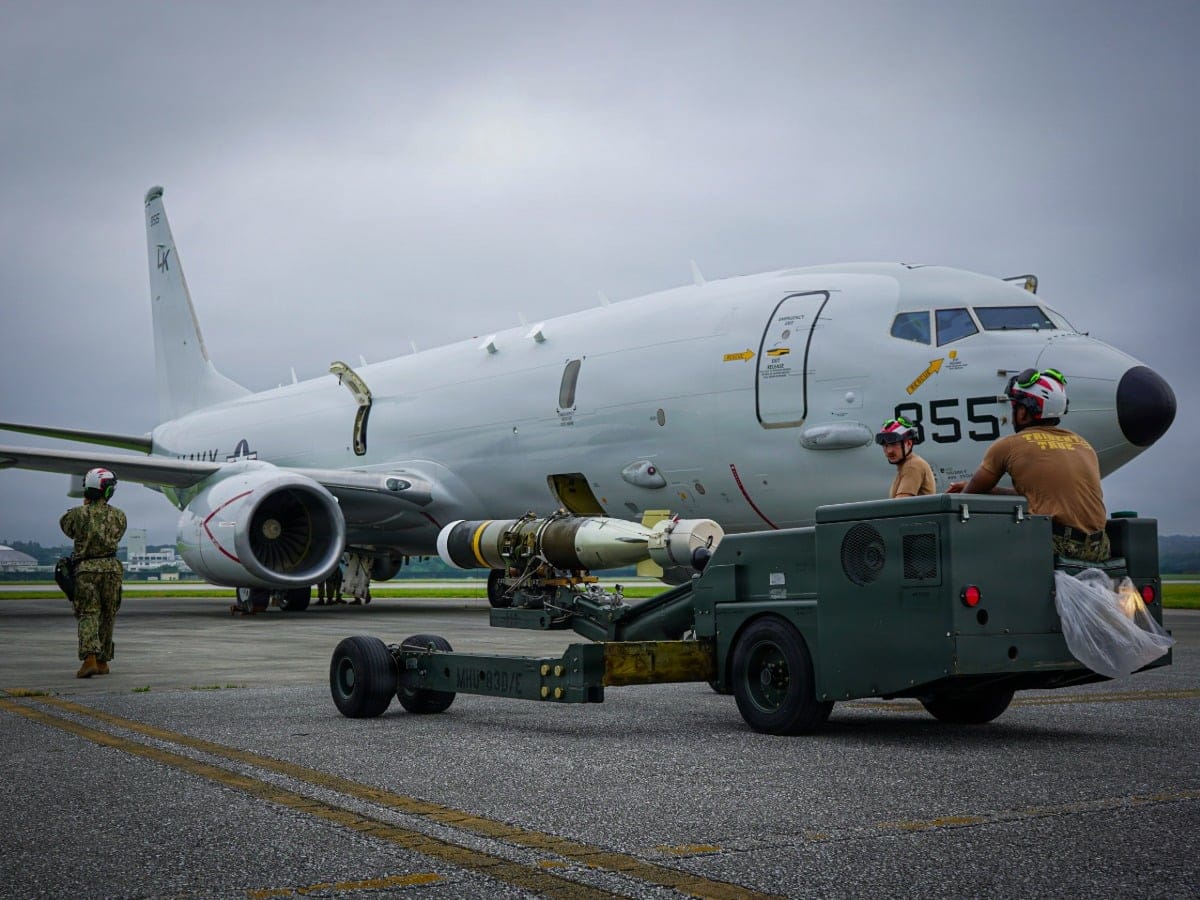
The U.S. Navy is intensifying its efforts to develop the Silent Anvil Air-Launched Torpedo (SAA-LT), a new anti-submarine weapon intended to enhance the naval forces' capability against enemy submarines. This initiative signals a significant advancement in underwater warfare technology, allowing aircraft and drones to launch torpedoes from considerable distances.
Exploring Development Options
The Navy has issued a public notice seeking contractors to assist in the design and prototype construction of this new torpedo. Two primary options for the SAA-LT are being explored:
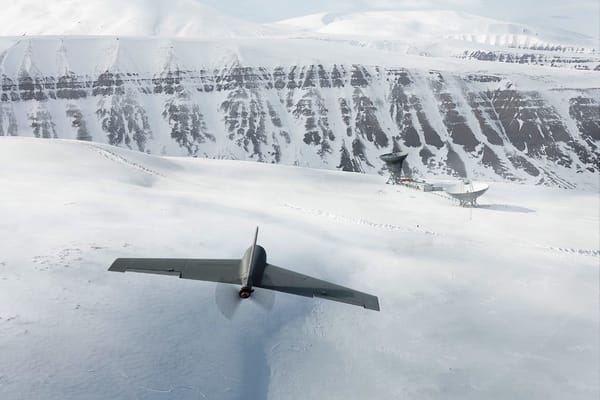
- A glide weapon that can be deployed from aerial platforms.
- Advanced guidance systems to improve accuracy and effectiveness against submerged targets.
This approach reflects a strategic shift towards leveraging unmanned aerial systems and enhancing the Navy's reach in anti-submarine operations.
Strategic Importance of the Silent Anvil
With the increasing complexity of maritime threats, the development of the Silent Anvil is crucial. The Navy aims to ensure that its forces can engage enemy submarines effectively while minimizing risk to personnel and assets. The SAA-LT's design is expected to incorporate cutting-edge technology to maximize its operational capabilities.
Key aspects of the Silent Anvil development include:
- Increased standoff distance for torpedo launches.
- Integration with existing naval aerial platforms.
- Enhanced stealth features to evade enemy detection.
As the Navy moves forward with this initiative, the impact on future naval engagements, particularly in contested maritime environments, could be significant.
The Silent Anvil program represents a forward-looking commitment to modernizing naval warfare capabilities. With a focus on innovation and advanced technology, the U.S. Navy aims to maintain its strategic advantage in anti-submarine warfare.
Sources: Defence-Blog, Defensenews, DefenseScoop, stripes.com, Military Times, and RealClearDefense
Edited by Daniel Vazdar, Editor. How DEFCROS News reports, sources and corrects.