U.S. Navy Pursues Submarine Launched Anti-Air Missile Amid Global Missile Developments

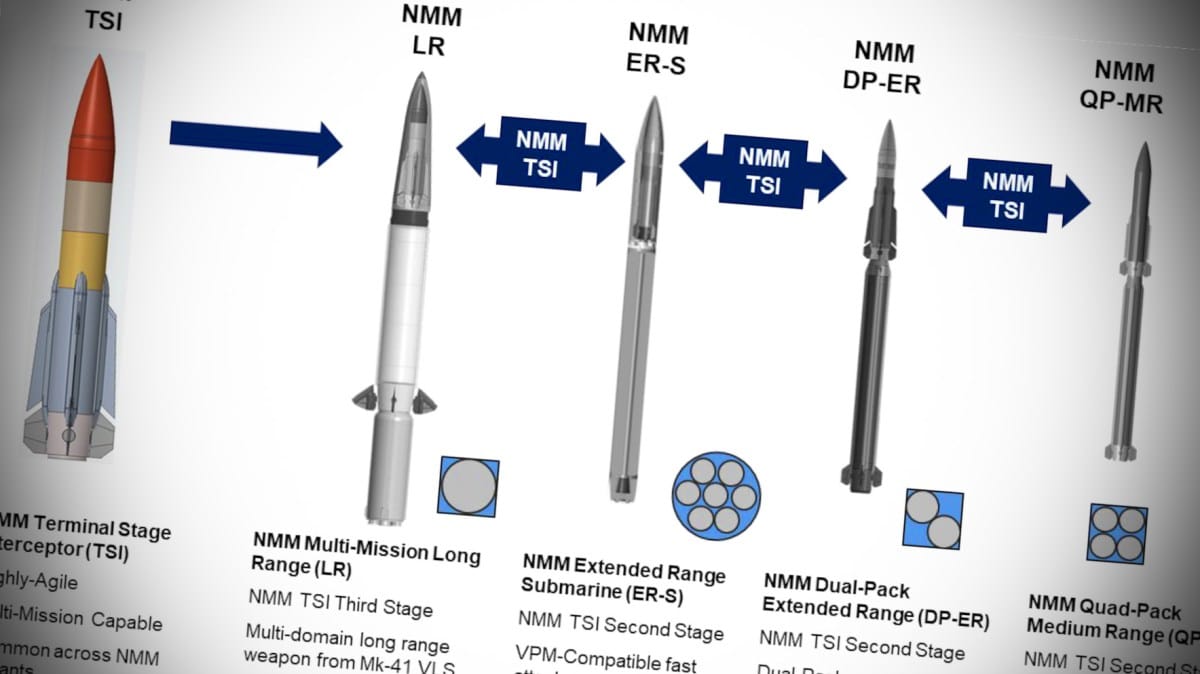
The U.S. Navy is advancing its capabilities with a new initiative focused on developing a submarine-launched anti-air missile system. This effort is part of the Naval Modular Missile vision, which aims to standardize a common interceptor for both submarine and ship-launched applications. Such a system is expected to enhance operational effectiveness across various platforms.
Chinese Missile Advancements
In a parallel development, China has made significant strides in its naval missile capabilities. The recent deployment of the YJ-20 hypersonic anti-ship missile from smaller Type 052D destroyers illustrates a strategic shift. This capability, previously associated primarily with the larger Type 055 destroyers, allows for:
- Broader distribution of missile capabilities across multiple hulls
- Increased operational range and flexibility
- Enhanced deterrent posture in contested maritime areas
By integrating the YJ-20 onto Type 054D destroyers as well, China is further amplifying its offensive reach, marking a notable enhancement in its naval warfare strategy.
Retirement of Ohio Class Submarines
As the U.S. Navy pushes forward with new technologies, it faces the impending retirement of its Ohio-class guided missile submarines, including the USS Georgia. These submarines are heavily utilized and are projected to be decommissioned within the next three years, raising concerns about the potential gap in capabilities they leave behind.
The U.S. Navy's efforts to develop a submarine-launched anti-air missile system could partly address this transition, ensuring that the Navy maintains a robust defense posture during this critical period of change.
Iran Acquires Chinese Missile Systems
In a concerning geopolitical development, Iran is expected to receive a shipment of up to 400 Chinese-made shoulder-fired air defense missile launchers in the coming weeks. This acquisition is likely to enhance Iran's military capabilities, particularly in asymmetric warfare scenarios, and could shift the balance of power in the region.
The introduction of such systems not only serves to bolster Iran's defensive measures but may also embolden its regional ambitions, requiring close monitoring from U.S. defense analysts.
These concurrent developments in missile technology and naval capabilities from both the U.S. and China, alongside Iran's emerging military enhancements, underscore the evolving landscape of global defense. Continuous adaptation and strategic foresight will be crucial for maintaining national security and operational readiness.
Sources: Twz, Defensenews, stripes.com, Military Watch Magazine, and Bulletin of the Atomic Scientists
Edited by Daniel Vazdar, Editor. How DEFCROS News reports, sources and corrects.