U.S. Pacific Command Reinstated by Department of War

Reversion to Historic Designation
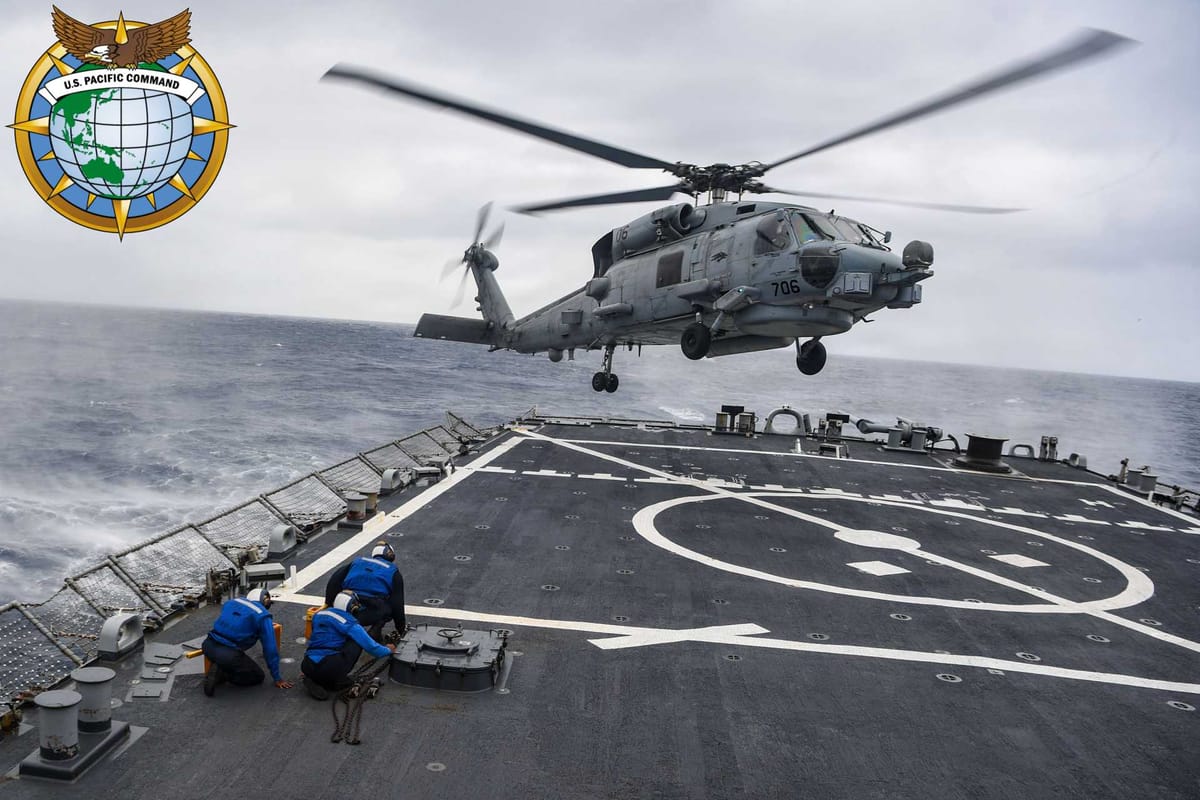
The U.S. Department of War has officially reverted the name of the U.S. Indo-Pacific Command back to its original title, the U.S. Pacific Command. This change, announced recently, undoes the 2018 rebranding that emphasized the Indo-Pacific region, but it does not entail any operational shifts within the command. The decision underscores a return to historical nomenclature amidst ongoing strategic developments in the region.
Context and Analysis
The renaming highlights a significant moment in U.S. military strategy, as the Indo-Pacific Command was initially established to reflect the evolving geopolitical landscape and the importance of the Indo-Pacific region in U.S. defense policy. By reinstating the U.S. Pacific Command designation, the Department of War may be signaling a recalibration of focus that aligns with previous military frameworks. This move could be interpreted as a response to changing dynamics in regional security, particularly in relation to evolving threats and alliances.
Despite the name change, operational activities and strategic objectives of the command remain unchanged. Analysts may view this as an opportunity for the U.S. military to reaffirm its presence in the Pacific while maintaining continuity in its operational commitments. The implications of this reversion could influence perceptions among allies and adversaries alike regarding U.S. strategic priorities in the region.
Why it matters: The restoration of the U.S. Pacific Command title raises questions about future U.S. engagement strategies in the Pacific theater. As tensions rise in areas such as the South China Sea, this change may reflect a desire to reinforce traditional defense postures. Moving forward, observers will be keen to see how this naming decision impacts military diplomacy and regional partnerships.
Sources: Armyrecognition, The Japan Times, The Straits Times, 조선일보, and IndiaWest