U.S. Positions for Possible Cuba Strike as Trump Raises Pressure on Havana

Strategic Military Posturing in Response to Cuba
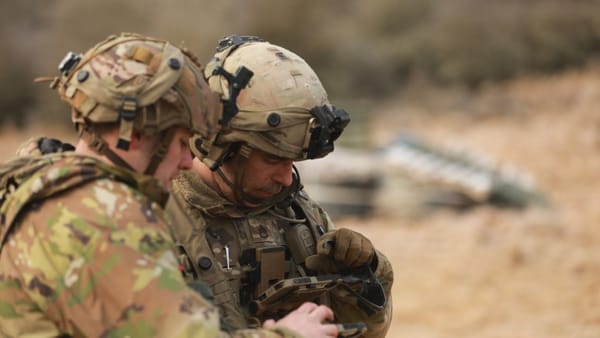
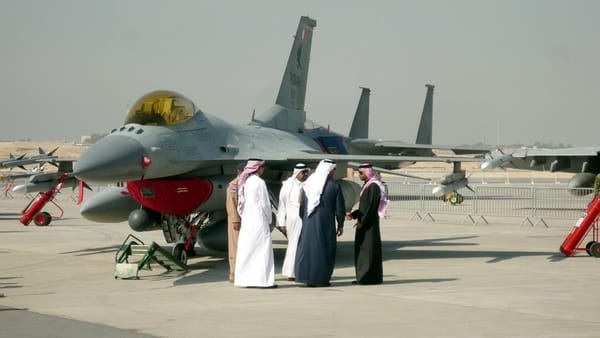
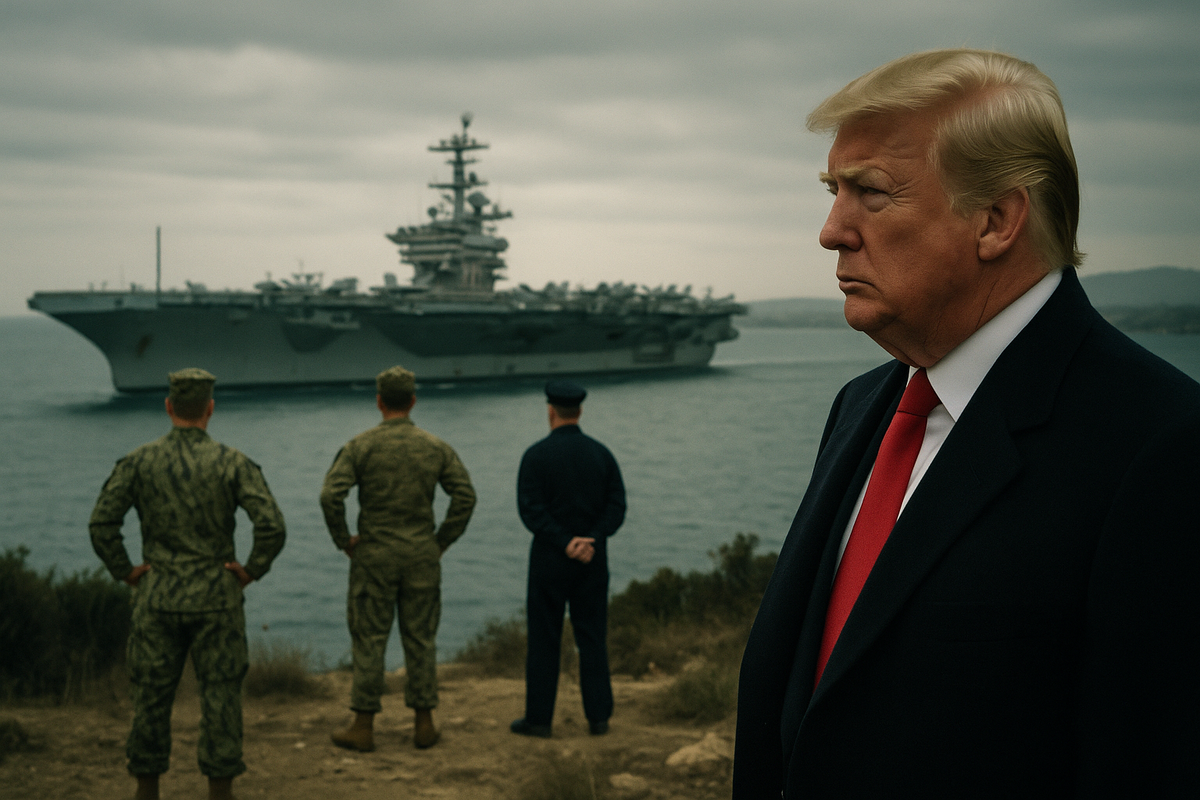
The United States is enhancing its military readiness concerning Cuba amid increasing tensions under President Trump’s administration. This escalation involves the positioning of U.S. naval air and surveillance assets, which will provide the administration with faster options should the situation deteriorate. The actions come as pressure mounts on Havana, signaling a shift in U.S. strategy towards the island nation.
The deployment of these military resources is a significant factor in the current geopolitical landscape. Analysts note that the presence of naval and air assets is intended to deter any aggressive actions from Cuba while simultaneously offering the U.S. a variety of response options. As relations between the U.S. and Cuba remain strained, this military positioning is likely to be viewed through the lens of both national security and diplomatic strategy.
This situation underscores the importance of monitoring U.S. military movements in the region. The implications of President Trump's heightened pressure on Cuba could lead to a series of responses from both the Cuban government and other regional actors. With naval and air capabilities now more readily available, the potential for rapid military engagement increases, raising questions about the future of U.S.-Cuba relations and regional stability. Furthermore, the readiness of these assets may influence how other nations perceive U.S. commitments in the Western Hemisphere.
This development indicates that the U.S. is prepared to take decisive actions should diplomatic efforts fail. The focus on military readiness reflects a broader strategy that could redefine the dynamics in U.S.-Cuban interactions. The coming weeks will be critical in gauging how this military posture influences diplomatic negotiations and regional security frameworks.
Sources: Armyrecognition, BBC, vox.com, The New York Times, and CPG Click Petróleo e Gás