U.S. Prioritizes Missile Production to Rebuild Stockpiles After Iran Combat

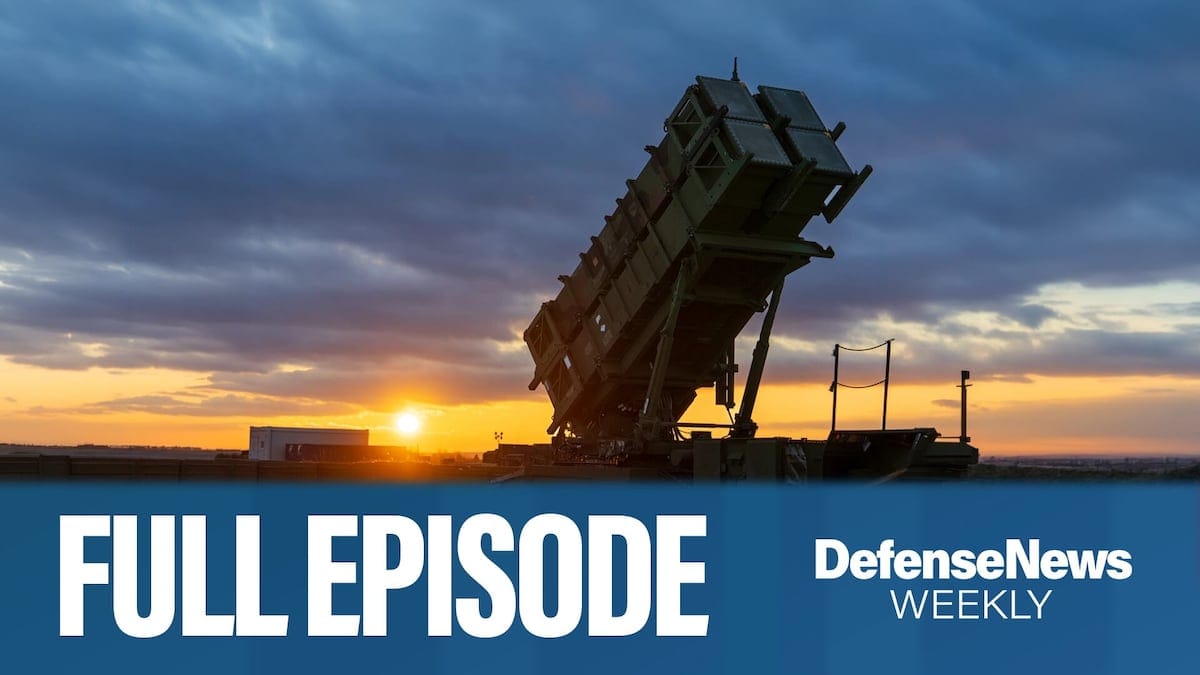
The urgency surrounding the U.S. missile production process has intensified as defense leaders respond to the recent combat in Iran. The Pentagon is actively exploring various strategies to enhance the speed and scale of missile manufacturing, aiming to replenish stockpiles depleted during military engagements. This critical focus aligns with broader efforts to ensure military readiness amid evolving global threats.
Scaling Up Production Efforts
A panel of military and defense industry experts convened to discuss the logistics and challenges associated with increasing U.S. missile production capabilities. Their insights reveal several key areas of focus:
- Resource Allocation: Determining how best to allocate resources for maximum efficiency in production.
- Technological Advancements: Leveraging innovation to streamline manufacturing processes.
- Supply Chain Management: Addressing vulnerabilities in the supply chain to avoid delays.
The consensus among experts indicates that a multifaceted approach is essential to quickly ramp up production levels to meet operational demands.
Combat Lessons from Iran
The recent military actions in Iran have underscored the necessity for robust missile stockpiles. As defense professionals analyze these events, several implications for future production strategies emerge:
- Increased urgency to maintain operational readiness.
- Need for diversification in missile types and capabilities.
- Identification of potential bottlenecks in current production lines.
As a result, the Pentagon is not only focused on immediate production goals but also on long-term strategies to ensure a resilient defense posture. This includes fostering partnerships with industry to enhance collaboration and innovation in missile technologies.
As the U.S. navigates complex geopolitical landscapes, the revitalization of missile production stands as a priority. The synchronization of military needs with industrial capabilities will be crucial in shaping the future of U.S. defense strategies.
Sources: Defensenews, Defense News, Al Jazeera, www.israelhayom.com, and Haaretz
Edited by Daniel Vazdar, Editor. How DEFCROS News reports, sources and corrects.