U.S. Reduces NATO Presence, Impacting European Security Dynamics

Withdrawal from NATO Centers
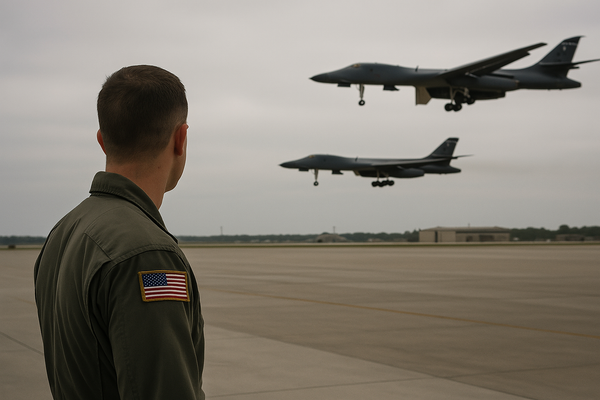
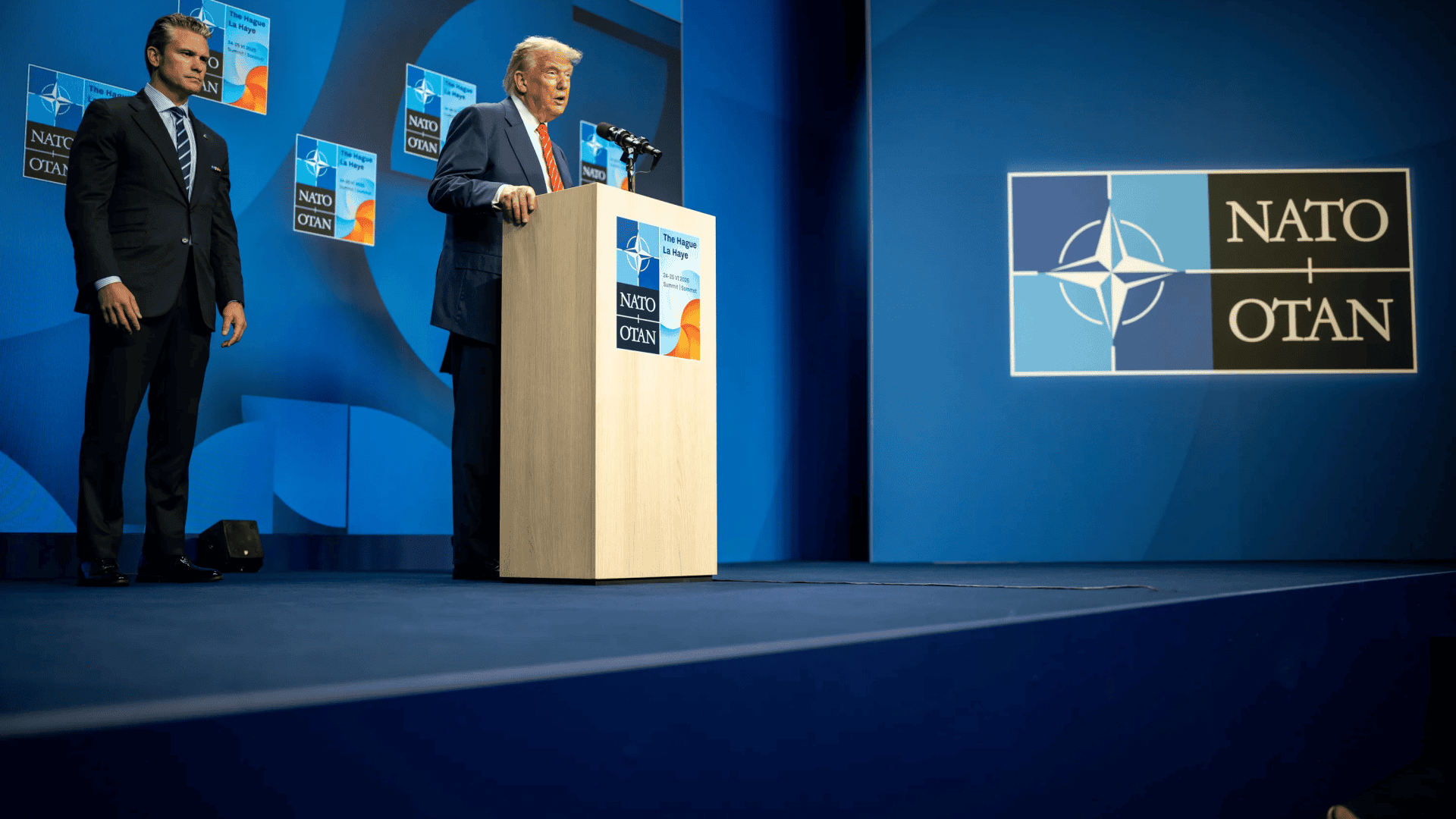
The United States is sharply reducing its presence within NATO by withdrawing from key centers where the Alliance and its partners organize exercises, conduct analyses, and prepare for future crises and wars. While this decision does not equate to a complete withdrawal from NATO, the implications for Europe are significant and far-reaching. This shift occurs under the administration of President Trump, marking a strategic recalibration in U.S. military engagement with its NATO allies.
This reduction in presence signals a potential decrease in the collaborative military planning and preparedness that NATO has historically relied upon. The centers in question have played a crucial role in ensuring that member states remain aligned and ready to respond to various threats. Analysts will be watching closely to see how this change affects NATO's operational effectiveness and unity, particularly in light of ongoing tensions in Eastern Europe and beyond. The withdrawal may also raise concerns among European allies regarding the reliability of U.S. commitments in times of crisis.
Why it matters: The U.S. decision to scale back its involvement in NATO's operational framework could lead to a reduced ability for collective defense planning. This raises the question of whether European nations will need to increase their military capabilities independently or seek alternative security arrangements. The implications are profound, as they could reshape the security landscape of Europe, influencing defense strategies and alliances for years to come.
Sources: Defence24, Münchner Sicherheitskonferenz, Modern Diplomacy, PBS, and The National Interest