U.S. Reduces NATO War Capabilities Amid Ongoing European Tensions

Reduction of Key Assets in NATO
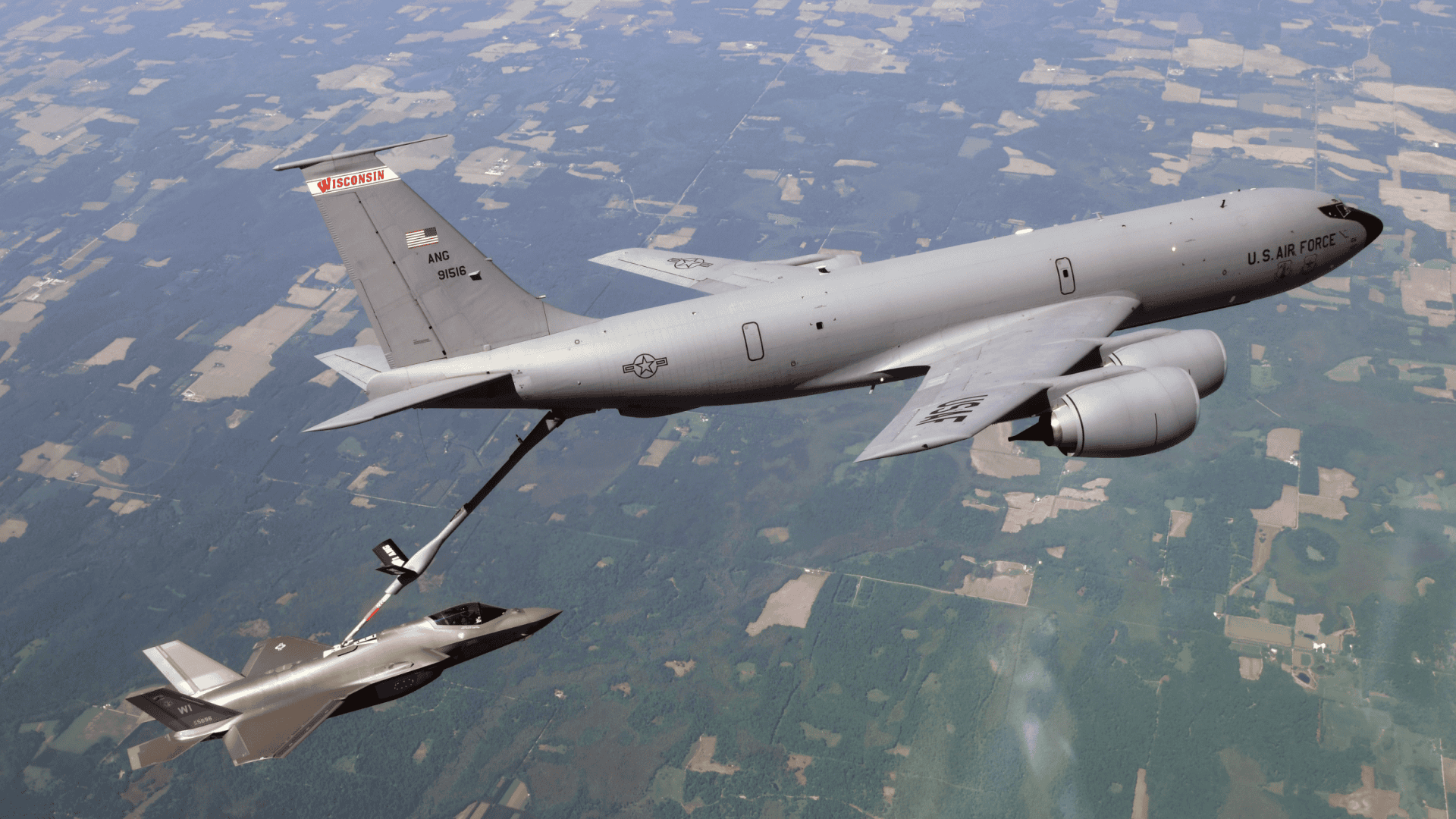
The United States is not withdrawing from NATO; however, it is significantly reducing critical military assets that play a vital role in responding to major crises in Europe. This strategic move affects essential capabilities including fighters, tankers, reconnaissance aircraft, and warships. The implications of these reductions extend beyond personnel posts and expert centers, targeting the operational readiness necessary to conduct effective military operations at distance.
This shift in U.S. military posture comes at a time when NATO faces increasing challenges on the European continent. The reduction of assets raises concerns about the alliance's ability to maintain its deterrent and operational capabilities in the face of evolving threats. Analysts are closely examining how this strategic recalibration will impact NATO's collective defense initiatives and its overall readiness to respond to aggression.
This development highlights a critical juncture for NATO, as member nations must assess their own military readiness in the absence of robust U.S. support. The reduction of American military resources could lead to heightened scrutiny of NATO's strategic frameworks and its reliance on U.S. capabilities. As the geopolitical landscape continues to evolve, the implications of this reduced U.S. presence could redefine NATO's operational dynamics and compel member nations to enhance their own military contributions to ensure collective security and deterrence against potential adversaries.
Sources: Defence24, Bloomberg.com, Fortune, StratNews Global, and politico.eu