U.S. Remains Optimistic About Iran Deal Amid Cautious Outlook

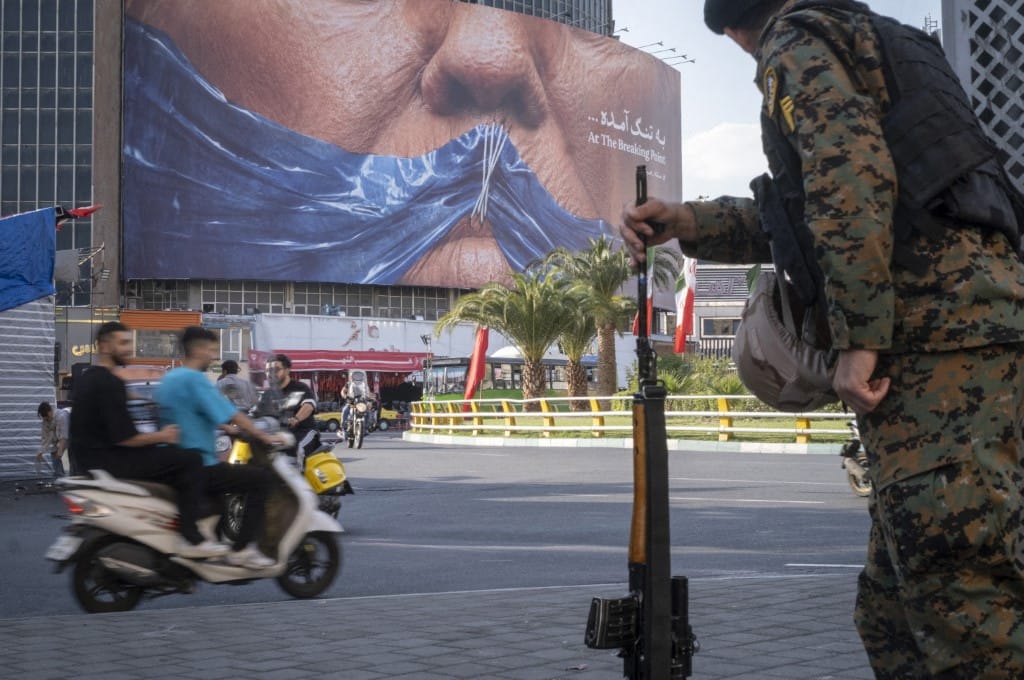
Current Developments in U.S.-Iran Relations
In a recent statement, U.S. Secretary of State Marco Rubio indicated that a deal to resolve ongoing tensions with Iran could be reached as early as Monday. This announcement comes as President Donald Trump has taken a more tempered approach, managing expectations regarding the potential agreement. The remarks underscore the complexities of diplomatic negotiations in the current geopolitical landscape.
The possibility of a new deal reflects a shift in U.S. strategy towards Iran, as both parties have faced mounting pressure to find a resolution. Analysts have noted that while Rubio's comments suggest a sense of optimism, President Trump's cautious tone may signal the administration's awareness of the challenges ahead. The U.S. has been working to navigate not only its relationship with Iran but also broader regional dynamics that could impact the negotiation process.
Implications for Regional Stability
The potential for a U.S.-Iran deal carries significant implications for both regional and global security. A successful agreement could stabilize a region marked by conflict and may alter the strategic calculations of other nations involved in or influenced by Iranian activities. This raises the question of how such an agreement would affect U.S. allies in the region, particularly those who have historically been critical of Iranian influence.
Moreover, the diplomatic engagement could also pave the way for further discussions on related issues, such as Iran's nuclear program and its regional military activities. As the situation develops, defense professionals will need to monitor not only the outcomes of these negotiations but also the broader responses from Iran and its regional adversaries.
Sources: Thedefensepost, CBS News, NBC News, Reuters, and DW.com