U.S. Southern Command Launches Autonomous Warfare Command for Enhanced Drone Operations

Strategic Initiative Against Regional Threats
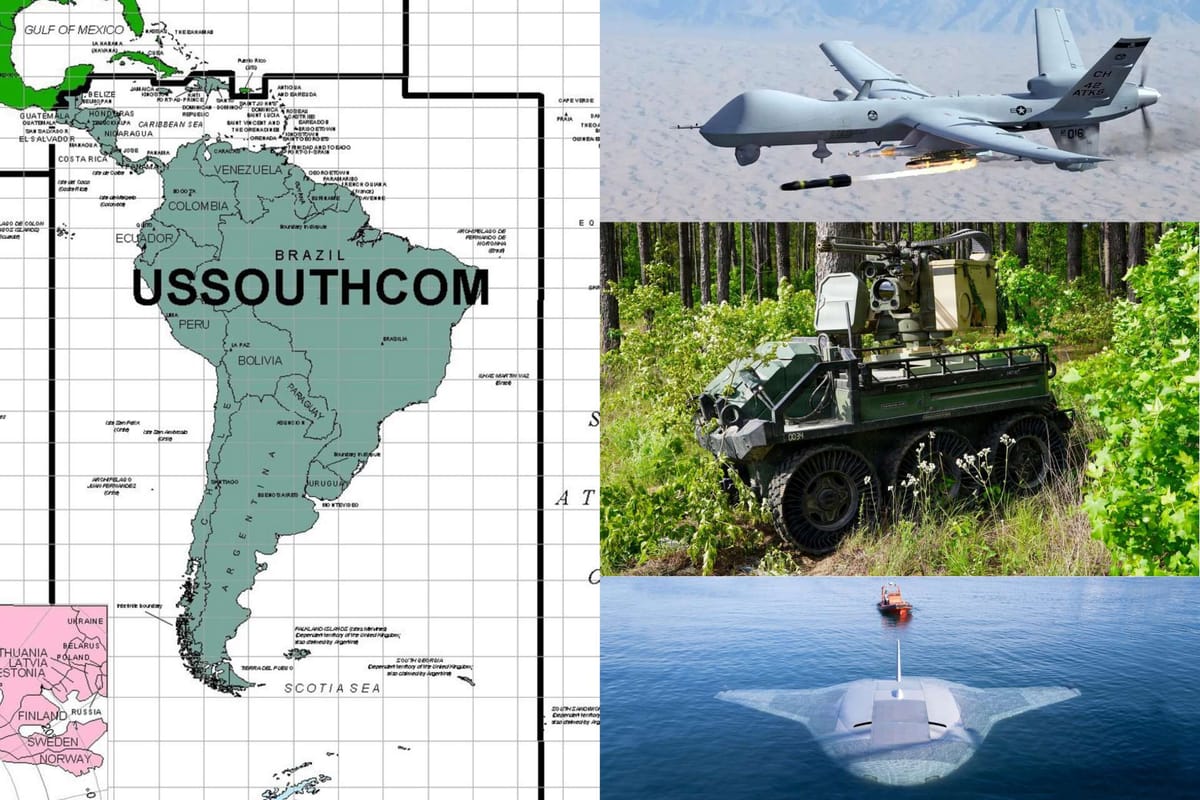
In a significant move to bolster its operational capabilities, U.S. Southern Command (SOUTHCOM) has established a new Autonomous Warfare Command aimed at expanding drone operations targeting drug cartels and other regional threats. This initiative underscores the U.S. military's evolving approach to modern warfare, particularly in multi-domain environments, as it seeks to leverage advanced technology to enhance situational awareness and tactical response.
The creation of the Autonomous Warfare Command reflects a comprehensive strategy to address the complex security challenges posed by transnational criminal organizations and other non-state actors in Latin America. By integrating autonomous systems into its operational framework, SOUTHCOM aims to conduct more effective surveillance and strike missions, thereby disrupting the activities of these cartels. The use of drones not only enhances operational efficiency but also minimizes risks to personnel, aligning with broader defense objectives of reducing casualties while maintaining a robust presence in the region.
Why It Matters
This development raises questions about the future landscape of military engagement in the Southern Hemisphere. As U.S. forces increasingly rely on autonomous technologies, analysts will be watching for implications on both operational effectiveness and international relations in the region. The emphasis on drone operations may lead to a recalibration of intelligence-sharing partnerships with regional allies while simultaneously addressing the persistent threats posed by organized crime. Furthermore, this initiative could serve as a model for future military operations globally, as the demand for autonomous warfare capabilities grows in response to evolving security challenges.
Sources: Armyrecognition, Army Recognition, ExecutiveGov, DefenseScoop, and Fox News