
UK Takes Lead in NATO with Drone Swarm Defense Contracts

UK's Groundbreaking Initiative Against Drone Threats
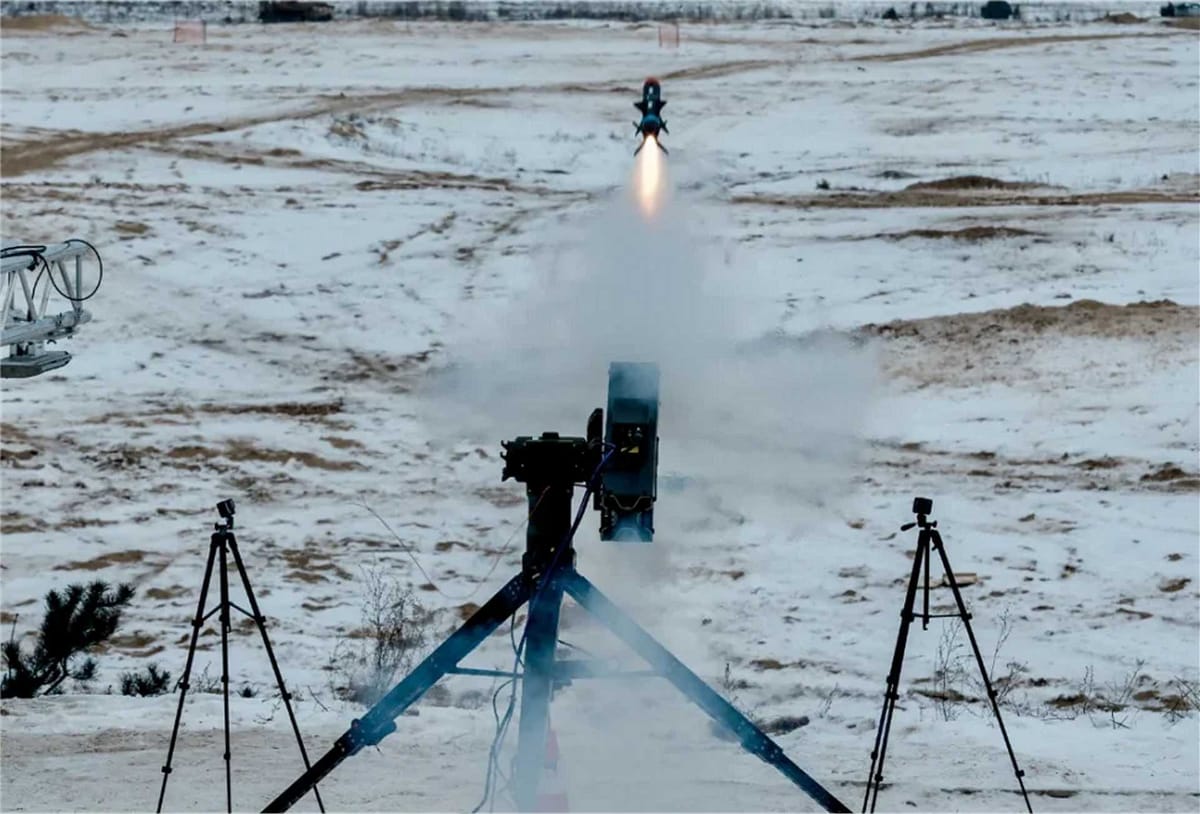
The United Kingdom has become the first NATO country to award contracts aimed at developing low-cost air defense interceptors specifically designed to combat drone swarms. This strategic move underscores the UK's commitment to enhancing its battlefield protection capabilities in an era where drone technology poses significant threats to national and allied security.
As drone swarms become increasingly prevalent in modern warfare, the need for effective countermeasures has never been more critical. The UK's decision to prioritize low-cost interceptors reflects a growing recognition of the potential for large numbers of drones to overwhelm traditional defense systems. By focusing on affordability and effectiveness, the UK aims to bolster its defense posture while setting a precedent for other NATO members to follow suit in addressing this emerging challenge.
Strategic Implications for NATO and Global Security
This initiative also signals a broader shift within NATO towards adapting to new technological threats. The emphasis on low-cost solutions may encourage member nations to rethink their defense budgets and procurement strategies, particularly in light of the budgetary constraints many face. The potential for collaboration among NATO allies could lead to a more unified approach in combatting drone warfare, fostering innovation and technology sharing across member states.
The implications of the UK's actions extend beyond its borders. As adversaries increasingly leverage drone capabilities, the need for effective countermeasures will only grow. This raises the question of how quickly NATO allies will adopt similar strategies and whether this will lead to standardized approaches to drone defense. The UK’s pioneering contracts may mark the beginning of a significant shift in NATO defense strategies, emphasizing the urgency of addressing drone threats head-on.
Sources: Armyrecognition, GIS Reports, PBS, Center for European Policy Analysis (CEPA), and BBC