Ukraine Accuses Russia of Strike on Turkish Cargo Ship, Killing Six

Incident Overview
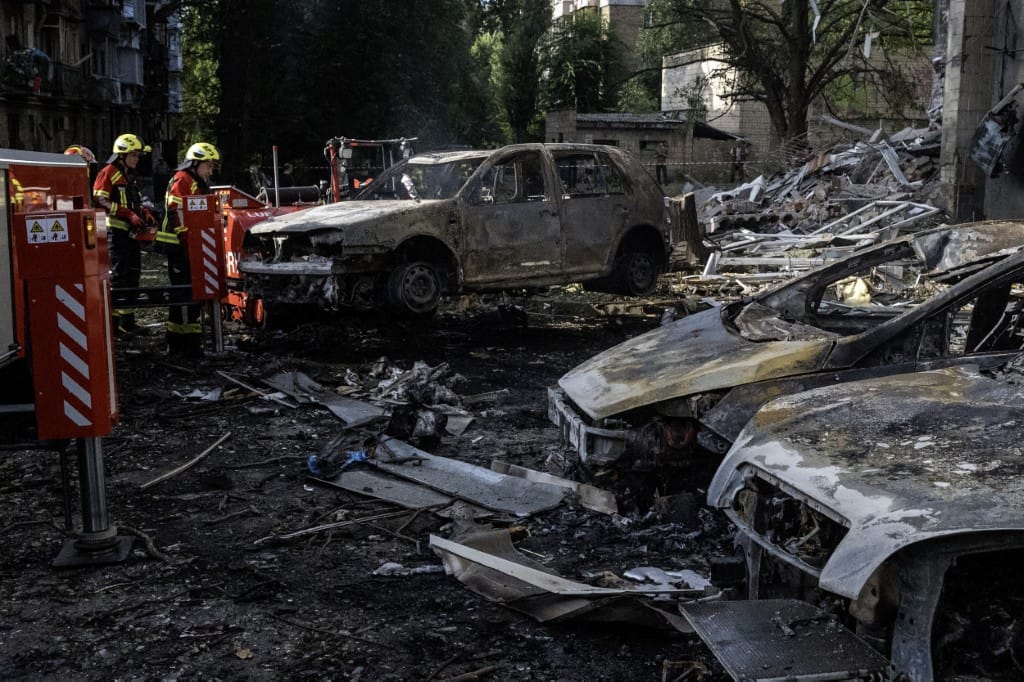
Ukraine has attributed a deadly missile strike on a Turkish-owned cargo ship, which was transporting grain, to Russian forces. This attack has resulted in the deaths of six individuals. The incident occurred amid a broader escalation of hostilities, as Russia launched a fresh barrage of missiles targeting Kyiv just hours before the strike on the cargo vessel.
Context and Analysis
This situation underscores the continuing volatility in the Black Sea region, where maritime security has been significantly jeopardized by the ongoing conflict between Ukraine and Russia. The targeting of a commercial vessel not only highlights the risks faced by civilian maritime operations but also raises serious questions about the safeguarding of international shipping routes. The implications of such attacks could extend beyond immediate casualties, potentially influencing global grain markets and international shipping insurance rates.
Moreover, the involvement of a Turkish-owned ship complicates the geopolitical dynamics, as Turkey has maintained a delicate balance in its relations with both Ukraine and Russia. The risk of escalating tensions could lead to increased military engagement or diplomatic fallout, particularly if Turkey decides to take a firmer stance against Russian aggression in response to its nationals being targeted.
Why It Matters
The accusation against Russia for the strike on a Turkish cargo ship raises pivotal questions regarding the security of maritime operations in conflict zones. As analysts observe the international community's reaction, there is potential for increased military support for Ukraine, especially from NATO allies concerned about the implications for global trade and security. Furthermore, the incident could catalyze discussions around the protection of civilian shipping in war-torn regions, emphasizing the need for clearer engagement rules to ensure the safety of commercial vessels in active conflict areas.
Sources: Thedefensepost, The Guardian, South China Morning Post, Türkiye Today, and Ukrinform