Ukraine Deploys Robotic Amphibious Vehicles Amid U.S. Marine Corps Expansions


Recent developments in amphibious combat capabilities highlight the growing emphasis on advanced technologies in military operations. Ukraine's first deployment of robotic amphibious vehicles and the U.S. Marine Corps’ expansion of its Amphibious Combat Vehicle program underscore a shift towards modernized warfare, integrating robotics and enhanced recovery systems.
Ukraine’s Robotic Amphibious Innovations
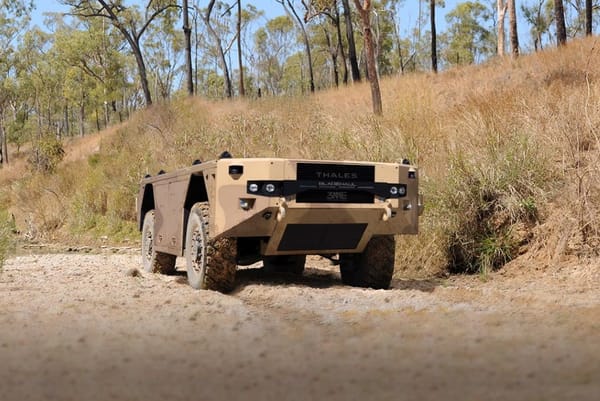
The commander of a Ukrainian uncrewed ground vehicle unit has shared exclusive insights into the modifications made for their amphibious combat operations. This initiative aligns with Ukraine’s broader defense strategy, which seeks to leverage technology for enhanced combat effectiveness. The introduction of these vehicles represents a significant milestone in Ukraine's ongoing conflict, aiming to bolster operational capabilities on various terrains.
- Robotic amphibious vehicles designed for combat
- Focus on uncrewed ground vehicle integration
- Enhanced operational flexibility in water and land environments
U.S. Marine Corps Expands Recovery Capabilities
In a related effort, the U.S. Marine Corps has awarded a $230.1 million contract for 32 new ACV-R recovery vehicles, marking the Amphibious Combat Vehicle recovery variant’s entry into full-rate production. This expansion aims to enhance operational readiness and support for Marine units during amphibious operations.
Key aspects of the ACV-R program include:
- Improved recovery and support for ACV operations
- Integration of advanced technologies for enhanced performance
- Support for a variety of mission profiles
Countering Drone Threats with New Technology
Additionally, the U.S. Marines have ordered Anduril Pulsar-L jammers to protect Amphibious Combat Vehicles from small drone threats. This acquisition reflects a proactive approach to countering emerging threats in the operational environment.
Features of the Pulsar-L jammers:
- Onboard drone detection capabilities
- Jamming functionality to neutralize drone threats
- Enhanced situational awareness during operations
These developments highlight the importance of integrating cutting-edge technology into military operations and the ongoing evolution of amphibious capabilities in both Ukraine and the U.S. Marine Corps. As nations adapt to new warfare paradigms, the focus on robotics and advanced systems is set to reshape future combat scenarios.
Sources: Twz, Armyrecognition, Thedefensepost, Fortune Business Insights, Joint Forces News, The National Interest, and Naval Technology
Edited by Daniel Vazdar, Editor. How DEFCROS News reports, sources and corrects.