Ukraine Halts M1A1 Deployments Amid Drone Threat; US Army Expands Stryker Fleet

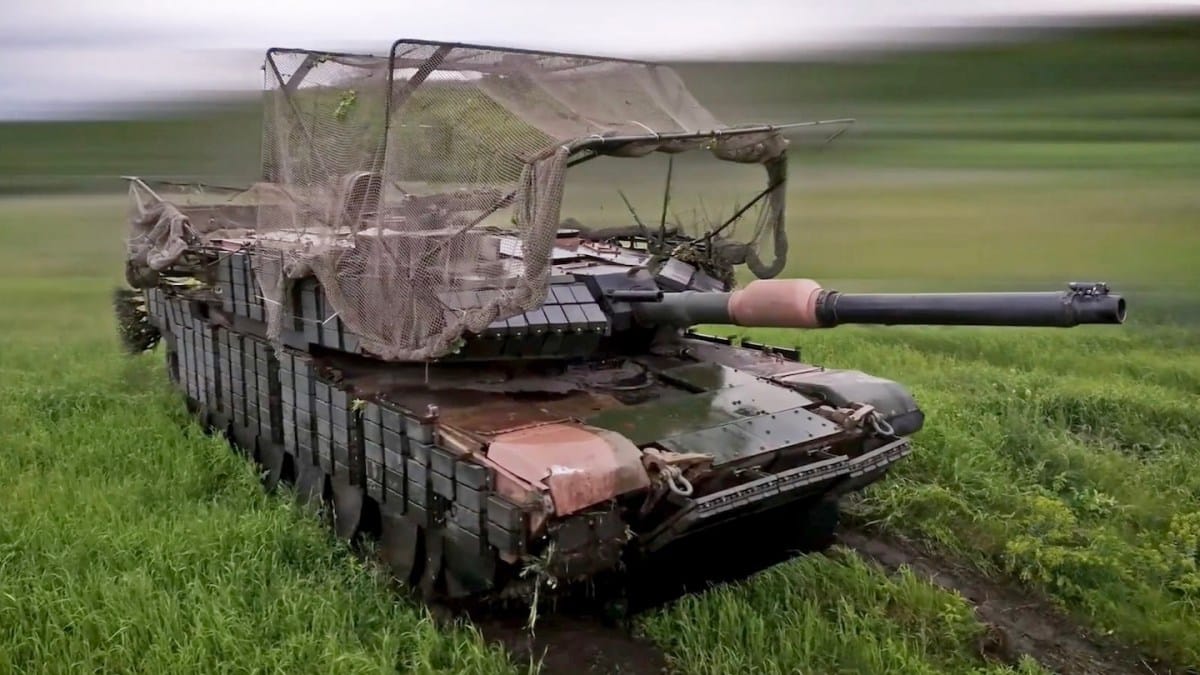
In a significant shift in tactics, Ukraine's 425th “Skala” Regiment has ceased deploying its M1A1 Abrams tanks following two costly operations near Pokrovsk. This decision highlights the increasing effectiveness of Russian drone operations against traditional armored units, forcing Ukraine to reevaluate its current military strategies.
Ukraine's Tactical Reassessment
The deployment of M1A1s, initially a symbol of Western military support, has been temporarily halted as the 425th Regiment seeks solutions to counter the drone threat that has proven detrimental to their operations. The regiment's experience illustrates a broader challenge faced by armored forces in modern warfare, where unmanned aerial systems can exploit vulnerabilities in heavy armor.
- Two costly operations led to the decision to stop using M1A1s.
- Ongoing concerns regarding drone capabilities impact tactical decisions.
US Army's Stryker Transition
In parallel, the U.S. Army's 3rd Stryker Brigade, part of the 4th Infantry Division, has received its first batch of Stryker 8x8 armored vehicles. This transition from M1A2 Abrams tanks is aimed at enhancing the operational readiness of I Corps in the Pacific region. The Stryker vehicles are designed to offer greater mobility and adaptability in various combat scenarios, aligning with contemporary battlefield requirements.
This shift is indicative of a broader trend in US military strategy, as forces adapt to changing threats and environments. The Stryker's deployment is expected to provide:
- Increased speed and maneuverability.
- Enhanced multi-role capabilities.
- Greater flexibility in response to evolving threats.
Countering Russian Electronic Warfare
Meanwhile, the U.S. Army 173rd Airborne is actively testing first-person view (FPV) drones and artificial intelligence technologies in Germany to counter Russian electronic warfare tactics. This initiative aims to maintain situational awareness and targeting precision despite the challenges posed by adversary electronic capabilities. The integration of FPV drones signifies a move towards more technologically advanced warfare, enabling soldiers to adapt to contemporary battlefield dynamics.
As the U.S. and its allies face increasingly complex threats, these developments indicate a strategic pivot towards integrating advanced technologies and rethinking traditional military doctrines. The outcomes of these initiatives will be critical in shaping future operational frameworks in the region.
Sources: Twz, Armyrecognition, Military Watch Magazine, ABC News - Breaking News, Latest News and Videos, and Defense News
Edited by Daniel Vazdar, Editor. How DEFCROS News reports, sources and corrects.