Ukraine's Strategic Deployment of Ground Robots in Frontline Operations

Introduction of Ground Robotics in Ukraine
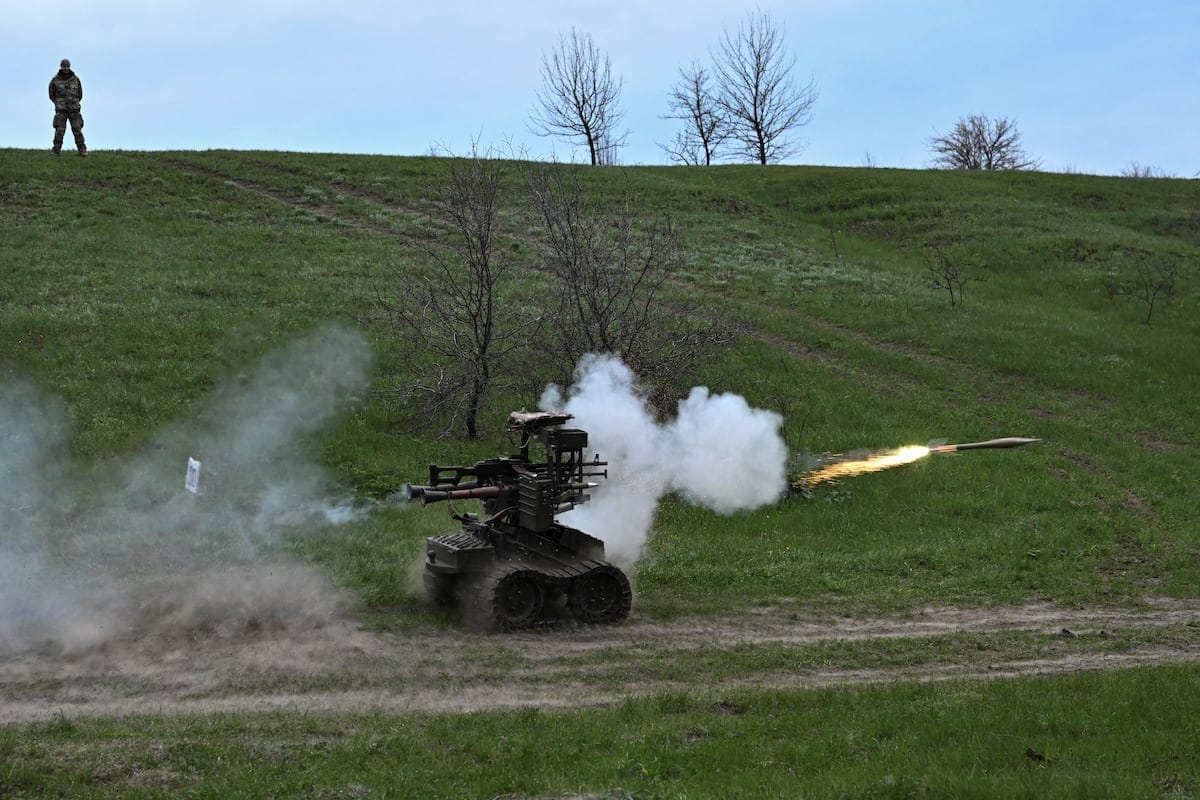
In a significant shift towards automation on the battlefield, Ukraine is planning to deploy 25,000 ground robots to enhance frontline logistics. This initiative comes amid escalating military tensions and aims to reduce the reliance on human soldiers for logistical support. The deployment is part of Ukraine's broader strategy to implement advanced technology in warfare, addressing the need for efficient supply chains and operational resilience.
Operational Effectiveness and Recent Achievements
Ground robots have already proven their operational effectiveness, having completed over 9,000 frontline missions in March alone, which marks a tripling of mission counts compared to November. This surge in activity underscores a rapid integration of robotics into military operations, with these systems even achieving their first successful capture of a Russian position last summer. The increasing frequency and success of these missions illustrate the potential of robotic systems to operate in high-risk environments, thereby safeguarding human personnel.
The growing reliance on ground robots reflects a crucial evolution in modern warfare, where technology is becoming an indispensable component of military strategy. As Ukraine continues to innovate, the integration of robotics not only enhances operational capabilities but also signals a shift in how logistics and frontline support are managed. This pivot may influence the tactical landscape by enabling quicker responses and more efficient resource management in combat scenarios.
Why it Matters
The implications of Ukraine's robotic deployment are significant for future military engagements. By reducing the human footprint on the battlefield, Ukraine may enhance its sustainability in prolonged conflicts while minimizing casualties among its troops. This raises the question of how other nations might respond to this technological advance. As autonomous systems become more prevalent, we may see shifts in military doctrines globally, with a potential re-evaluation of traditional logistics and frontline strategies. Analysts will be closely monitoring how this development could shape the dynamics of warfare in the near future.
Sources: Defensenews, Business Insider, UNITED24 Media, CNN, and TVP World