Understanding the US Army's C2 Modernization: Implications for Industry Stakeholders

Advancing Command and Control: The Army’s Next Generation Initiative
The Army’s Next Generation Command and Control (NGC2) initiative stands as a pivotal transformation in how data-driven command and control (C2) capabilities are delivered throughout military formations. By overhauling the entire system—from requirements and resource allocation to acquisition and contracting—the Army aims to enhance agility, efficiency, and effectiveness in operational outcomes. As this transition unfolds, it presents both substantial opportunities and complex challenges for industry partners navigating these developments.
Objectives of the NGC2 Initiative
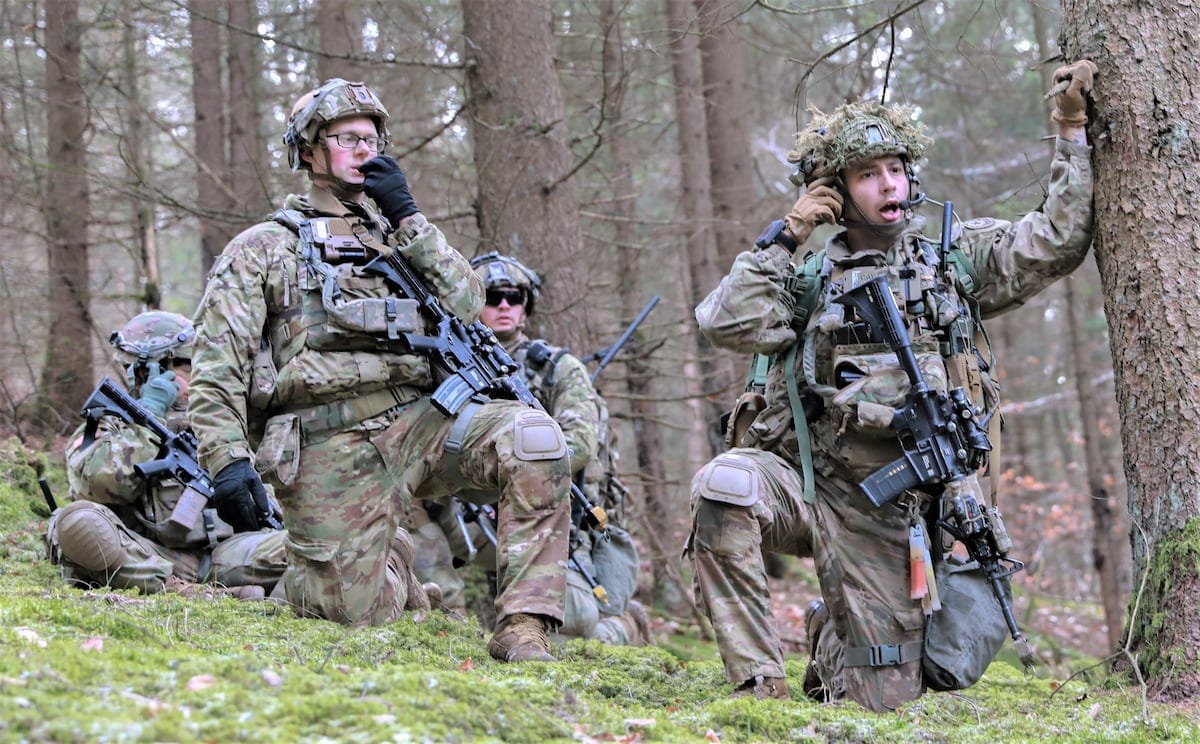
The core mission of the NGC2 effort is to establish a seamlessly integrated C2 framework, extending from corps level to squad operations. Central to this ambition is the creation of a robust data integration layer that facilitates the rapid development of applications across various warfighting domains, including fires, intelligence, logistics, and protection. This unified operational picture enables commanders to make informed decisions swiftly.
Key Features of the NGC2 Framework:
- Data Integration Layer: This foundational component supports multifunctional capabilities, such as artificial intelligence (AI)-enabled models, that enhance situational awareness and decision-making speed.
- Commercial Technology Framework: To achieve its vision, the Army acknowledges that leveraging commercial hardware and software is essential. The current technology refresh cycles significantly lag behind commercial advancements, risking obsolescence. A commitment to utilizing truly commercial technologies—rather than modified solutions—is critical for maintaining affordability and fostering innovation.
Restructuring Acquisition Processes
Historically, the Army’s C2 capabilities have been fragmented and disjointed, relying on separate funding streams, individual requirement documents, and independent acquisition programs. Such a restrictive framework often stifles adaptability and unity in operational capabilities.
The NGC2 strategy revamps this approach by establishing a centralized core program that lays the groundwork for a more versatile technical architecture. This new ecosystem facilitates complementary initiatives surrounding an integrated technology stack, which incorporates:
- Network Infrastructure
- Computing Resources
- Data Management Systems
- Application Development Frameworks
Furthermore, the NGC2 program simplifies requirements documentation through a streamlined “Characteristics of Need” format, focusing on the issues rather than prescribing solutions. This flexibility extends to the consolidation of various C2 funding lines into a cohesive portfolio, enabling the Army to swiftly reallocate resources in response to program evolution.
Evolving Contracting Mechanisms
The NGC2 initiative will adopt an innovative contracting strategy by engaging multiple industry team leads responsible for delivering performance across the core program and the entire ecosystem. This model diverges from traditional systems integrator frameworks in several significant ways:
- Encouragement of Non-Exclusive Teams: This policy enables component providers to collaborate across various teams, fostering innovation and competition.
- Direct Engagement: The Army will interact directly with individual companies within industry teams on technical, financial, and contractual matters, ensuring transparency and accountability.
- Minimized Government Oversight: By reducing the amount of government-furnished information and equipment, the Army promotes a more self-sufficient contracting model.
- Public-Private Partnerships: The Army will explore partnerships that maintain technical currency across NGC2 implementations, mitigating risks and reducing costs when transitioning between solutions.
Opportunities for Vendor Participation
The Army is open to industry self-organization in identifying complementary solutions for the NGC2 initiative. Vendors may contribute either as team leads or component providers, allowing them to participate in various capacities without being tethered to a single contractual arrangement. This flexibility encourages innovation and collaboration, enhancing overall program effectiveness.
As the architecture evolves, vendors are encouraged to develop applications that adhere to the open interfaces defined in the NGC2 design. This will streamline the process for rapid procurement and implementation of both AI models and technology applications, enhancing the Army’s operational capabilities without the need for a direct or intermediary relationship with team leads.
Navigating Competitive Dynamics
Balancing the need for ongoing competition with the stability that comes from contracted commitments will be crucial for the NGC2 initiative. To facilitate this balance, the Army plans to maintain a continuous open solicitation process, allowing the introduction of new capabilities at any time while establishing specific decision-making windows. For instance, after the upcoming round of competitions, a subsequent window may open following the deployment of the first Corps Headquarters and two Divisions.
Contracting Principles for NGC2 Include:
- Outcome-Driven Agreements: Establishing fixed-price contracts focused on results rather than processes.
- Price Reasonableness: Ensuring all proposals align with market standards and reflect logical pricing strategies.
- "As-a-Service" Models: Implementing flexible consumption approaches for both hardware and software.
The evolution of the Army’s C2 systems is essential for adapting to the complexities of modern warfare. By redefining institutional processes around requirements, resource allocation, acquisition, and contracting, the comprehensive strategy of the NGC2 initiative paves the way toward a far more dynamic and integrated command and control landscape.
Joseph Welch serves as the Deputy to the Commanding General of Army Futures Command, where he plays a crucial role in guiding these transformative initiatives.