US Air Force Expedites B-21 Raider Production Timeline, Aiming for 2027 Deployment

Enhancing Capacity: U.S. Air Force and Northrop Grumman Expand B-21 Raider Production
Strategic Decision to Elevate Production
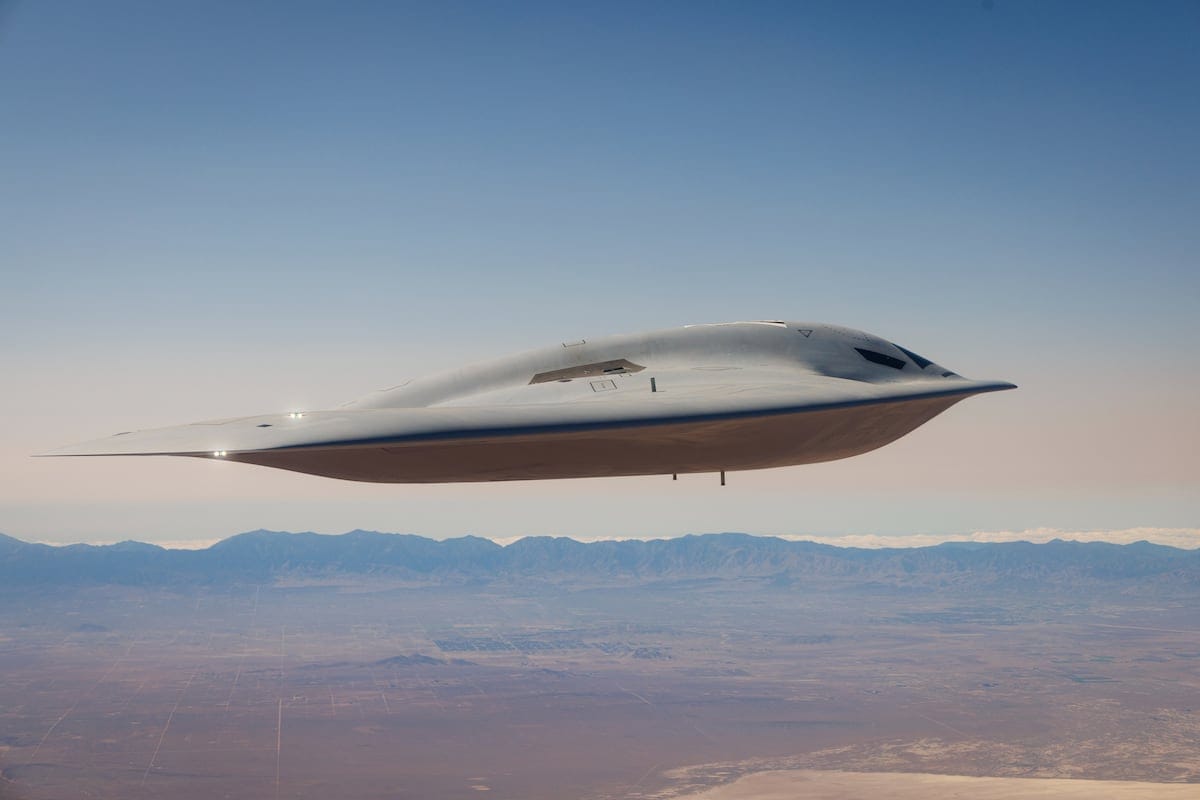
In a significant development for the U.S. Air Force (USAF), a collaboration with aerospace leader Northrop Grumman has led to an agreement to boost the production capacity of the B-21 Raider stealth bomber by 25%. This increase in manufacturing capabilities aims to accelerate the delivery of this next-generation long-range strike platform. The announcement, made in a statement issued on February 23, is poised to impact the Air Force’s operational readiness in the evolving security landscape.
Funding and Legislative Backing
The production increase will be supported by $4.5 billion in funding allocated through the fiscal year 2025 reconciliation package, colloquially known as the “One Big Beautiful Bill.” Such legislative backing is crucial, as it underlines the governmental commitment to advancing military modernization initiatives.
Key Financial Details
- Funding: $4.5 billion from authorized appropriations.
- Legislation: Part of the fiscal year 2025 reconciliation efforts.
Expanding the Acquisition Profile
This strategic pivot not only ramps up annual production but also compresses delivery schedules while ensuring cost-effectiveness and performance parameters are met. The B-21 Raider is currently in its low-rate initial production phase, which commenced following a contract award in January 2024.
Production Timelines
- Initial Deliveries: Scheduled for 2025.
- Operational Deployment: The inaugural operational aircraft is expected at Ellsworth Air Force Base in South Dakota by 2027.
The Strategic Importance of the B-21 Raider
Secretary of the Air Force, Troy Meink, emphasized the B-21 Raider’s vital role in enhancing the USAF’s long-range strike capabilities and maintaining credible deterrence. He noted, “Accelerating production capacity now ensures we deliver operational capability to combatant commanders faster—strengthening our ability to outpace, deter, and, if necessary, neutralize emerging threats.” This statement underscores the USAF’s responsive stance toward challenges in a dynamic security environment.
Program Goals and Future Prospects
The B-21 program envisions a structured ramp-up to achieve a full production rate of approximately seven aircraft annually. Although the total procurement objective remains classified, it is widely recognized that the Air Force seeks to acquire at least 100 B-21 Raiders to gradually replace its aging B-1B Lancer and B-2 Spirit fleets over the next few decades.
Acquisition Program Insights
- Total Target: At least 100 aircraft planned.
- Replacement Strategy: Aimed at phasing out older bomber fleets.
Confidence in Execution and Industrial Stability
General Dale R. White, director of Critical Major Weapon Systems, remarked on the decision to enhance production capacity: “This decision reflects our confidence in the program’s execution and the robustness of the industrial base. By increasing production capacity now, we are delivering a critical and effective capability to the warfighter more responsibly.”
Meeting Evolving Defense Needs
The B-21 Raider stands as the Air Force’s foremost priority concerning nuclear modernization and conventional long-range strike capabilities, designed to address complex and challenging battle scenarios. The decision to expedite production aligns with broader efforts by the Department of Defense to swiftly deploy next-generation capabilities amid increasing global threats.
Alignment with Department of Defense Initiatives
The production expansion reflects a responsive, agile approach, showcasing Secretary Pete Hegseth’s vision for the military’s acquisition processes as well as a commitment to maintaining superiority in defense capabilities.
While specific production rates and total fleet numbers beyond the 25% increase remain undisclosed, this strategic move highlights a proactive approach to safeguarding national security interests in a rapidly changing geopolitical landscape.