US Army Advances in Autonomous Mine-Laying Technology

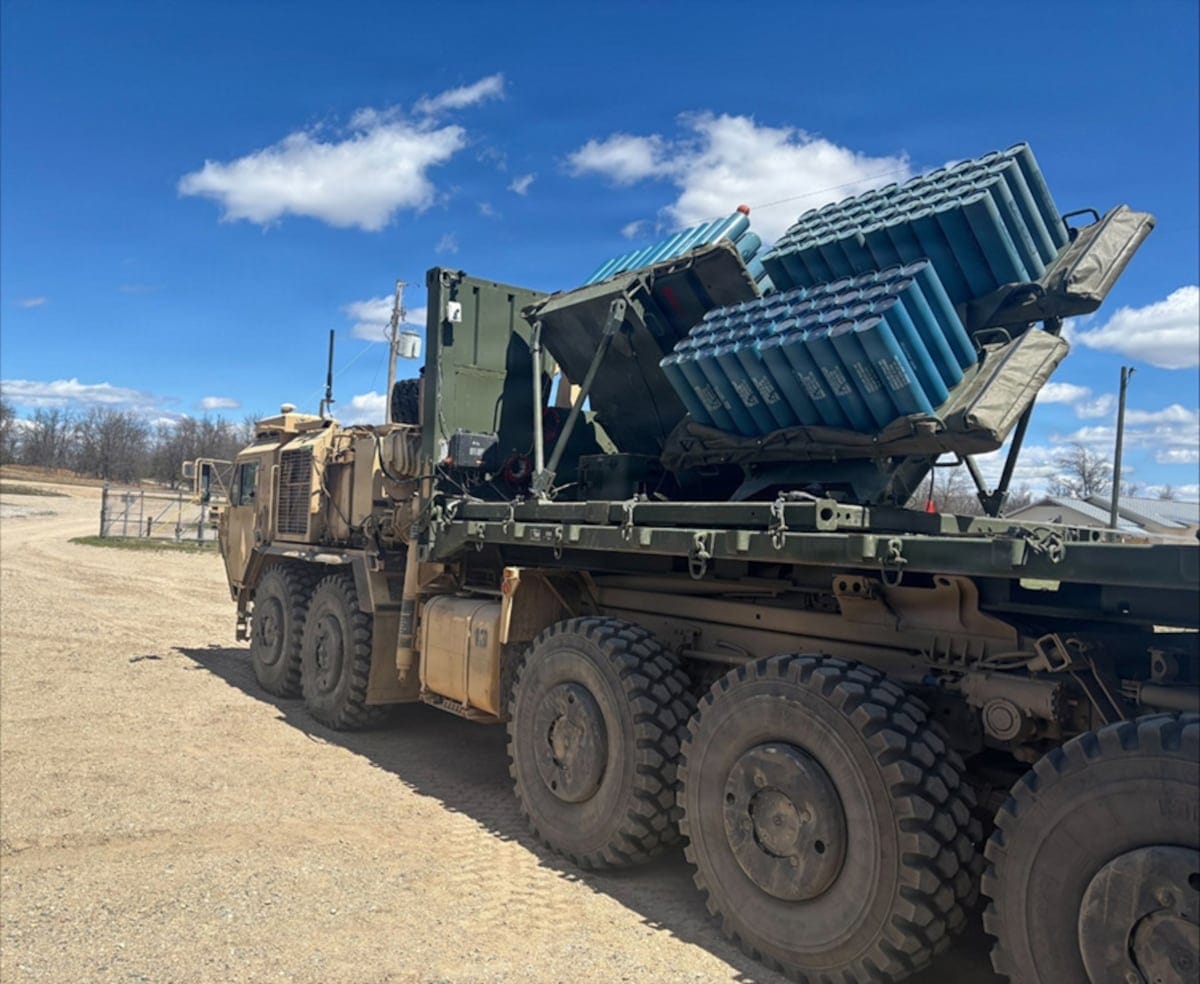
Testing the Volcano Mine Dispenser
The US Army is currently evaluating an autonomous version of its Volcano mine dispenser, which has the capability to cover up to 32 acres of terrain with as many as 960 mines. This testing underscores the Army's commitment to enhancing battlefield capabilities through automation technology.
This initiative is part of a broader strategy to modernize the Army's logistical and operational effectiveness in a rapidly evolving combat environment. The Volcano mine dispenser has been a critical asset in traditional mine-laying operations, and transitioning to an autonomous model is expected to improve both efficiency and safety for military personnel. Automation can reduce the risk associated with mine deployment, allowing forces to establish defensive perimeters more quickly and with less exposure to enemy fire.
Implications for Future Military Operations
The development of autonomous mine-laying systems raises several important considerations for military strategy and tactics. As the Army continues to explore the integration of advanced technologies, the implications for force structure and operational planning become increasingly significant. Analysts will be watching how these technologies affect battlefield dynamics and the operational tempo of US forces.
This raises the question of how adversaries might respond to the introduction of such capabilities and whether countermeasures will evolve in tandem. The ability to deploy mines autonomously could shift the balance in ground operations, allowing for more strategic positioning and deterrence. As the Army advances its testing, the potential for enhanced combat effectiveness becomes apparent, positioning the US military at the forefront of modern warfare tactics.
Sources: Defensenews, Military Times, DVIDS, and SSBCrack