US Army Enhances Combat Care and Unmanned Warfare Command Structure

The U.S. Army is taking significant steps to adapt its operational capabilities in the Indo-Pacific region by focusing on improving combat care and establishing a dedicated command for unmanned and autonomous warfare. These initiatives address critical challenges in a theater where quick medical response and innovative technologies are paramount.
Prolonging Care in the Indo-Pacific
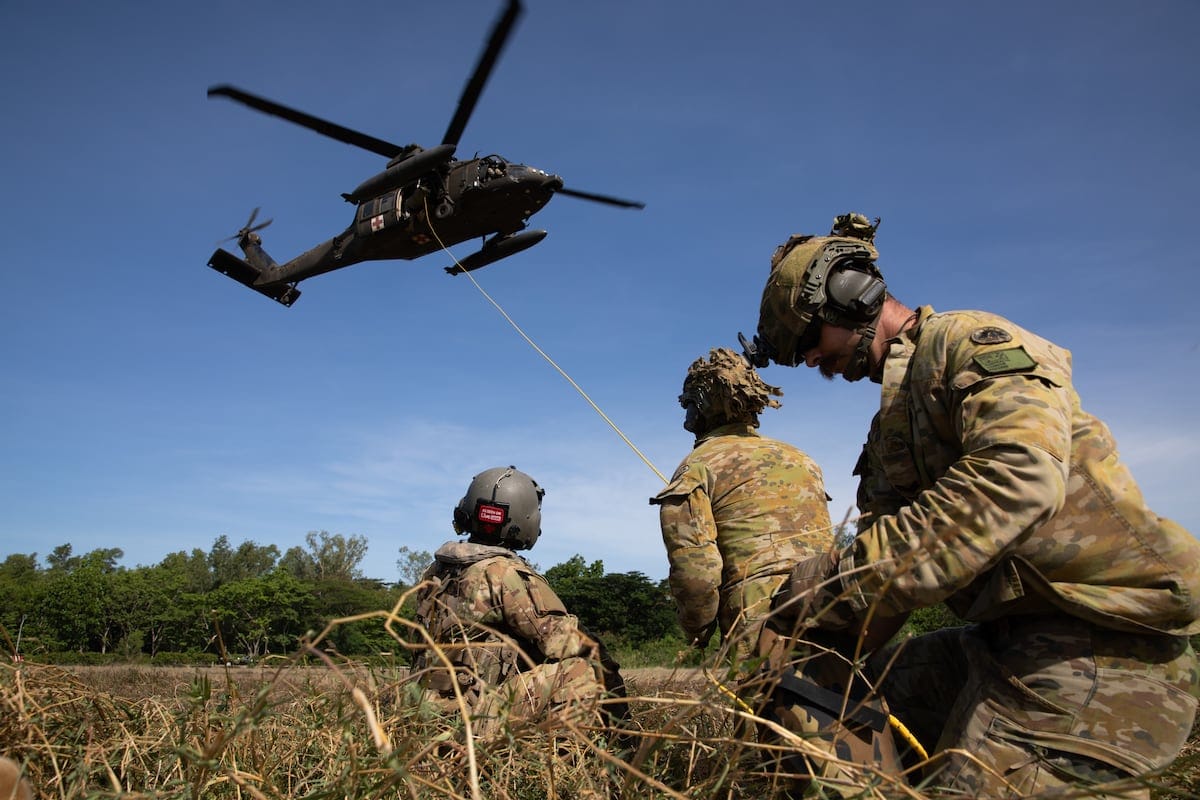
Leaders from the 18th Theater Medical Command are currently exploring methods to extend care in environments where the "Golden Hour" standard is hard to maintain. This urgency stems from the unique challenges posed by the Indo-Pacific operational landscape, which could hinder timely medical interventions during combat.
- Innovative practices are being tested to enhance the viability of prolonged battlefield care.
- Focus on developing protocols that can be implemented in challenging terrains.
By prioritizing the ability to maintain medical care in remote locations, the Army aims to minimize casualties and ensure that injured soldiers receive necessary treatment as swiftly as possible.
Establishment of the U.S. Army Futures and Autonomous Systems Command
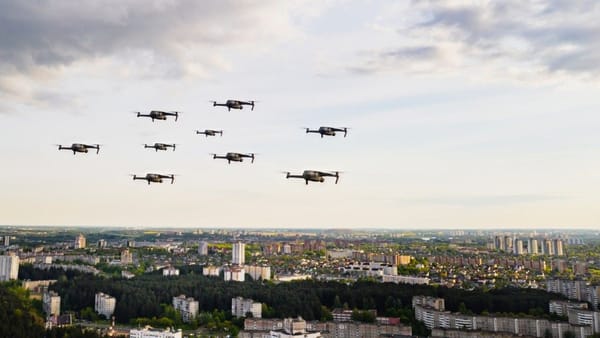
In a parallel development, an October 1 memo has directed the Army vice chief of staff to establish the U.S. Army Futures and Autonomous Systems Command, commonly referred to as FASCOM. This command will be dedicated to enhancing the Army’s capabilities in unmanned and autonomous warfare.
- FASCOM is expected to streamline the development and integration of autonomous systems into Army operations.
- This initiative reflects a strategic shift towards leveraging technology to maintain combat effectiveness.
The establishment of this command signals a commitment to innovation and a recognition of the evolving nature of warfare, where unmanned systems can play a critical role in operational success.
Both initiatives underscore a broader strategy to adapt to the complex challenges of modern warfare, particularly in the Indo-Pacific region. As these programs develop, they will likely reshape how the Army approaches both medical care and autonomous warfare in future operations.
Sources: Defensenews, Defense News, Army.mil, Indo-Pacific Defense FORUM, and Military Times
Edited by Daniel Vazdar, Editor. How DEFCROS News reports, sources and corrects.