
US Army's Ramjet-Powered PrSM Increment 4 Moves Forward with Key Propulsion Test

Overview of Recent Developments
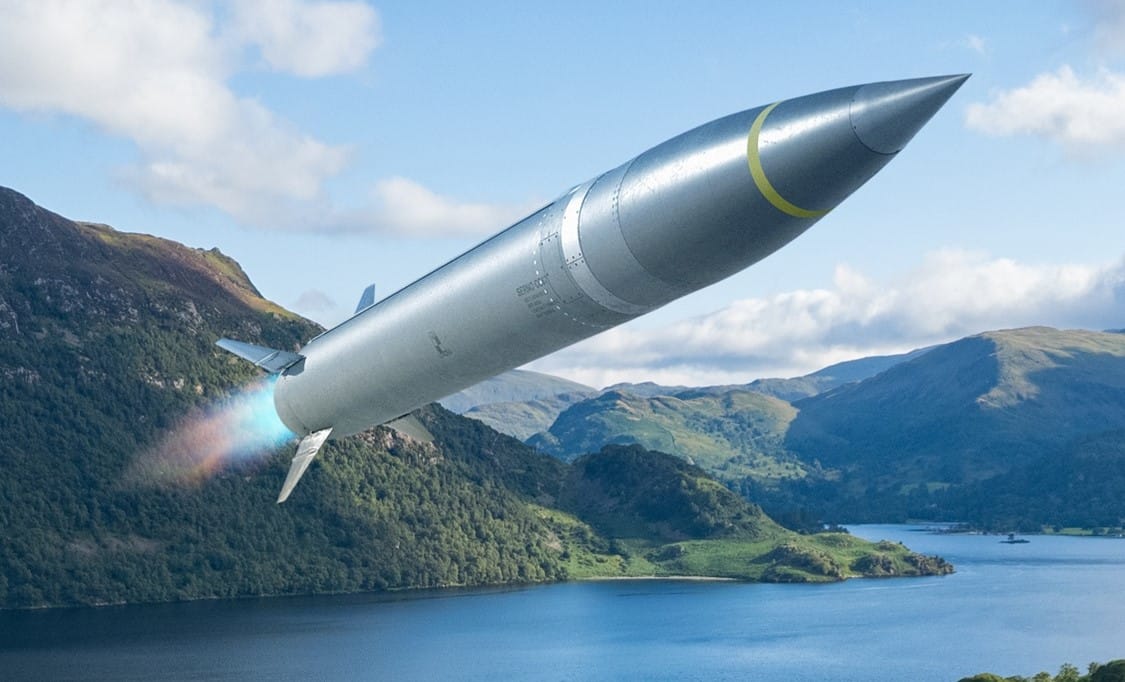
The US Army's ramjet-powered Precision Strike Missile (PrSM) Increment 4 program has recently achieved a significant milestone with a successful propulsion test conducted by L3Harris Technologies. This test is a crucial step in the missile's development, designed to enhance the Army's long-range strike capabilities. The propulsion test took place in a controlled environment, setting the stage for subsequent flight testing to evaluate the missile's performance under operational conditions.
Context and Implications
The PrSM Increment 4 program aims to provide the Army with an advanced missile system capable of engaging targets at greater distances with increased accuracy. By integrating a ramjet propulsion system, the missile is expected to achieve higher speeds and longer ranges compared to previous iterations. This advancement aligns with the US military’s broader strategy of modernizing its arsenal to deter potential adversaries and enhance battlefield effectiveness.
As military operations increasingly rely on precision strikes, the successful testing of the PrSM Increment 4 may influence future defense budgets and procurement strategies. Analysts will be paying close attention to how these developments impact the Army's overall capability to project power in contested environments.
Why It Matters
The outcome of the PrSM Increment 4 program could reshape the operational landscape for US ground forces, providing them with a vital tool to counter emerging threats. This advancement not only enhances the Army's deterrence posture but also reflects ongoing efforts to maintain technological superiority in missile systems. As the program progresses towards flight testing, military planners will need to assess the potential implications for joint operations and inter-service coordination.
Sources: Thedefensepost, The Defense Post, Lockheed Martin, defenceconnect.com.au, and Defence Industry Europe