US Coast Guard Moves Forward with Next-Generation Light Icebreaker Project

New Icebreaker Initiative Launched
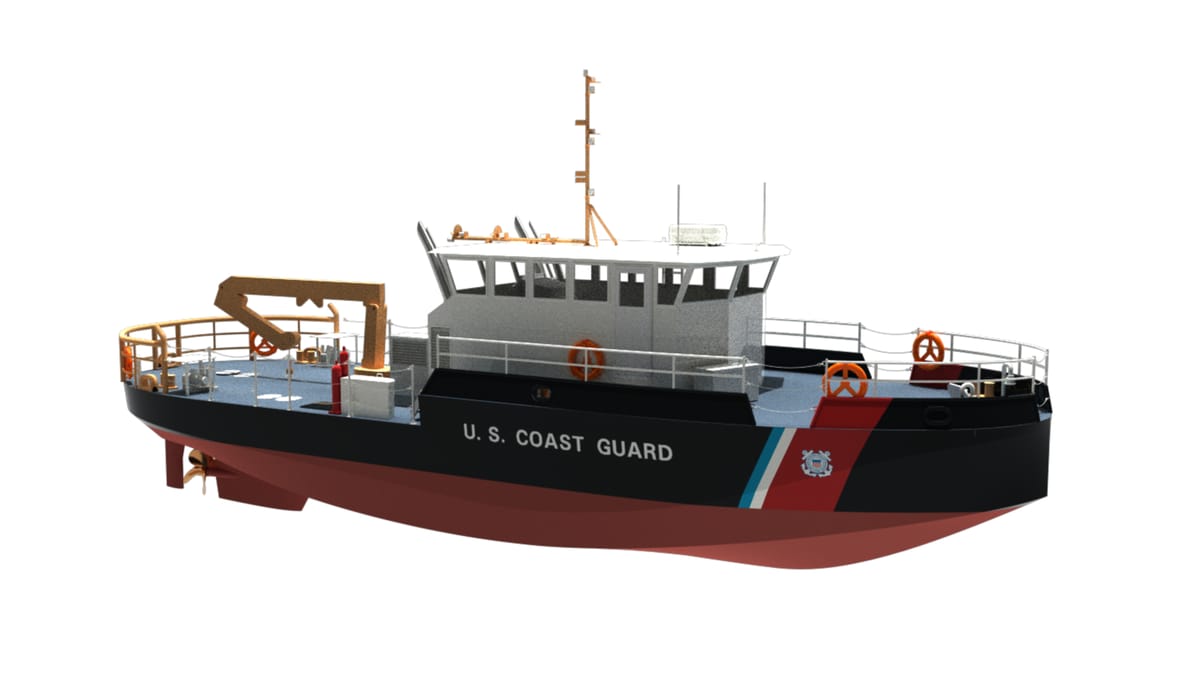
The US Coast Guard has officially issued a request for proposals to construct up to seven Homeland Security Cutter-Light icebreakers. This initiative marks a significant step in modernizing the Coast Guard's capabilities, particularly as its current fleet of light icebreaking tugs has been operational for over sixty years. The urgency for replacement stems from the increasing demand for icebreaking services in the Arctic and other regions, highlighting the need for updated technology and enhanced operational efficiency.
Context and Implications
The aging fleet has faced numerous challenges in maintaining operational readiness and effectiveness in harsh environments. The introduction of next-generation light icebreakers is expected to address these issues, providing the Coast Guard with advanced tools to conduct search and rescue missions, enforce maritime law, and support scientific research in ice-covered waters. The planned replacement underscores the strategic importance of icebreaking capabilities in an era of growing geopolitical interest in the Arctic region.
Given the changing climate and increased accessibility of polar regions, the need for a robust icebreaking fleet is more critical than ever. The US has a vested interest in ensuring its maritime sovereignty and supporting allied nations operating in these challenging environments. The development of these new cutters will likely involve collaboration with the defense industry, fostering innovation and potentially leading to advancements that can be applied across various domains of maritime operations.
This initiative raises questions about the future of US maritime strategy in the Arctic and how the Coast Guard will adapt to evolving challenges in these domains. Analysts will closely monitor the response from industry stakeholders to this request for proposals as well as the timeline for the rollout of these new vessels, which could significantly enhance the US's operational posture in icy waters.
Sources: Thedefensepost, gCaptain, WorkBoat, United States Coast Guard News (.mil), and Marine News Magazine