US Conducts Air Strikes on Iranian Targets Near Strait of Hormuz

Recent Military Actions
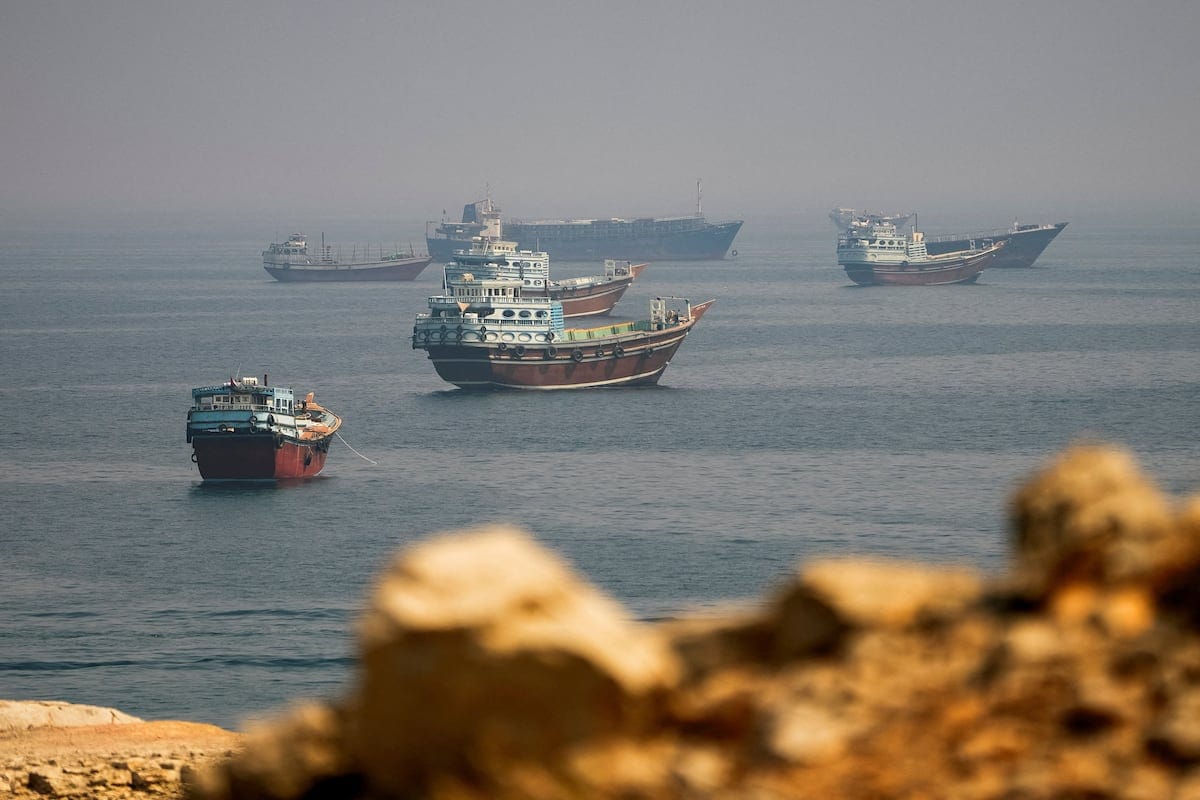
The U.S. executed a series of air strikes targeting Iranian positions on Tuesday following aggressive actions by the Islamic Revolutionary Guard Corps (IRGC) aimed at American military personnel in the region. These strikes were a direct response to the escalating threats against U.S. troops deployed around the Strait of Hormuz, a critical maritime corridor for global oil shipments.
This development underscores the ongoing tensions between the U.S. and Iran, particularly with regard to Iranian military activities in the Persian Gulf. The latest incidents reflect not only the IRGC's willingness to engage American forces, but also the potential for military escalation in an already volatile region. U.S. officials have indicated that these strikes aim to deter future attacks and ensure the safety of American personnel stationed in sensitive areas.
Implications of the Strikes
The air strikes signify a notable shift in U.S. military posture, highlighting a more aggressive stance towards Iranian provocations. As military actions unfold, both Iranian and regional actors may recalibrate their strategies in response to U.S. resolve. The implications of these strikes extend beyond immediate military objectives; they may also influence diplomatic relations and negotiations concerning Iran's nuclear program and regional ambitions.
With the U.S. reaffirming its commitment to protect its forces, the potential for heightened military engagement remains a concern. The actions taken this week could alter the dynamics of U.S.-Iran relations, impacting not only the security landscape in the Middle East but also global energy markets closely tied to the Strait of Hormuz.
Sources: Defensenews, NPR, The Guardian, Honolulu Star-Advertiser, and CBS News
Edited by Daniel Vazdar, Editor. How DEFCROS News reports, sources and corrects.