US Forces to Depart Iraq, Opening Path for Iranian Influence

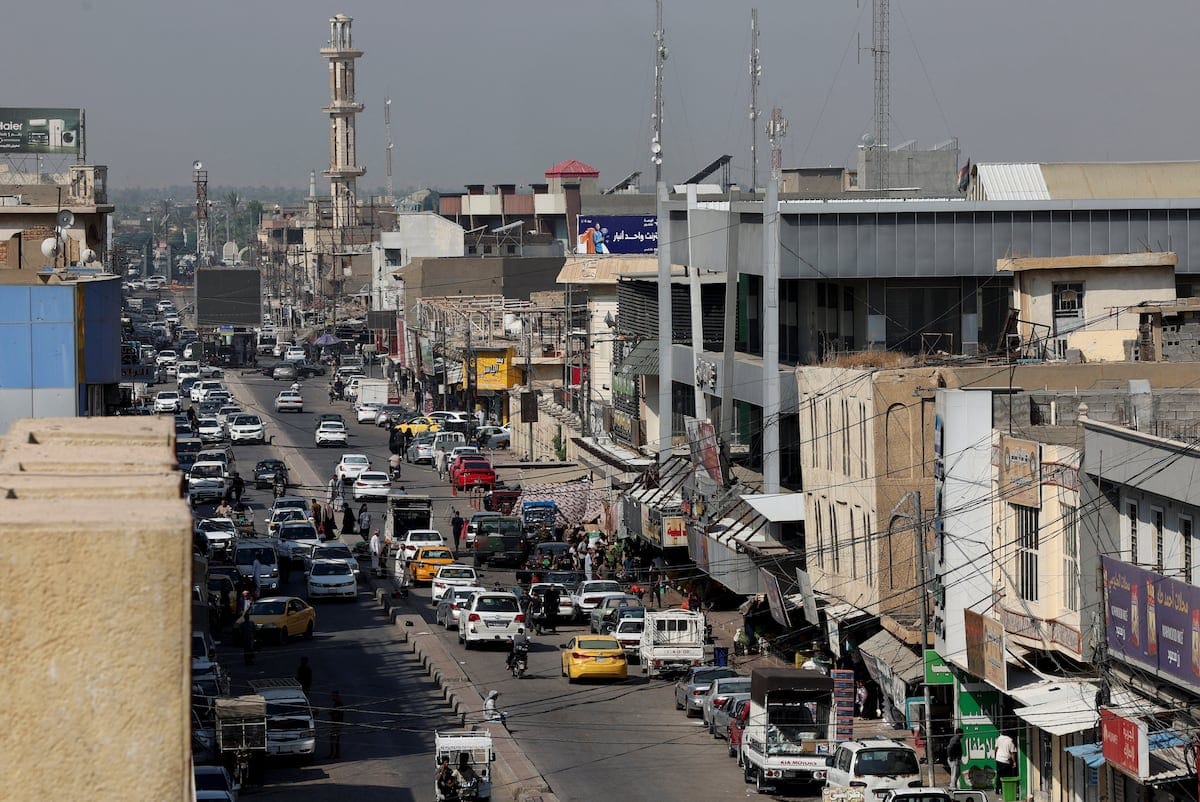
US Withdrawal from Iraq
The United States is poised to withdraw its remaining forces from Iraq by Wednesday, marking the end of a two-decade military presence. This development is being hailed as a significant victory by Iran and its allied factions within the region.
This exit follows years of complex military engagements in Iraq, which began in 2003. The U.S. intervention was initially aimed at dismantling the regime of Saddam Hussein, but over the years, it evolved into a broader mission to combat terrorism and stabilize the region. With the departure of U.S. forces, the geopolitical landscape is expected to shift, allowing Iran to potentially expand its influence in Iraq and the surrounding areas.
Regional Implications
The vacuum created by the U.S. exit could embolden Iranian-backed groups within Iraq, who may seek to assert greater control over local governance and security. This shift may alter the balance of power in the region, as Iran has long viewed Iraq as a crucial partner in its strategy to project power across the Middle East. The dynamics of power in Iraq are likely to change, with Iranian influence expected to increase, potentially leading to heightened tensions with neighboring countries and U.S. interests.
The consequences of this withdrawal extend beyond Iraq, impacting regional alliances and security frameworks. As Iran seeks to capitalize on the U.S. exit, the implications for U.S. foreign policy will be significant, as Washington reassesses its strategy in the Middle East in light of this new reality.
Sources: Defensenews, France 24, The Washington Post, Reuters, and The Media Line
Edited by Daniel Vazdar, Editor. How DEFCROS News reports, sources and corrects.