US Military's Limited Interceptor Stockpile Under Evaluation

Strategic Risks of U.S. Missile Interceptor Usage in the Ongoing Conflict with Iran
The ongoing hostilities with Iran have sparked concerns among defense experts regarding the sustainability of the United States’ missile interception capabilities. Analysts argue that the increased reliance on these systems during the conflict may create long-lasting strategic vulnerabilities, particularly if the confrontation escalates into an extended engagement.
Concerns Over Finite Interceptor Stockpiles
Leading national security analysts have raised alarms about the potential depletion of the current U.S. interceptor arsenal, particularly under the evolving timelines of Operation Epic Fury. A limited stockpile, coupled with the unpredictability of military engagements, raises questions about the U.S.’s ability to effectively respond to emerging threats:
- Finite Resources: Experts highlight that the U.S. may face significant depletion of interceptors if operational demand mirrors or exceeds the consumption seen in previous skirmishes.
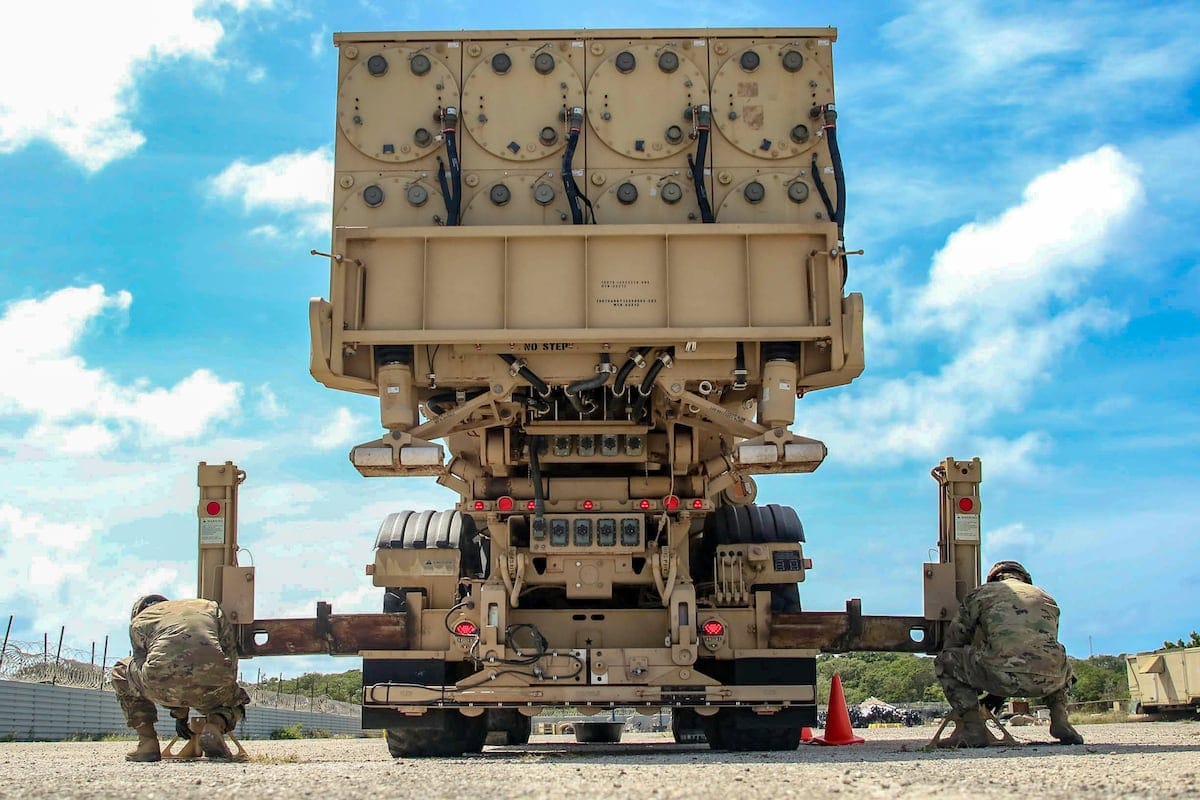
- Production Delays: The process of manufacturing advanced interceptors, such as the Standard Missile-3 (SM-3) and Terminal High Altitude Area Defense (THAAD), is lengthy and irreplaceable on short notice. Kelly Grieco of the Stimson Center noted, “You can’t replace these missiles overnight; it could take years.”
- Current Inventory: According to the Missile Defense Agency, as of December 2025, the U.S. had:
- 414 SM-3 interceptors
- 534 THAAD interceptors
- A significantly increasing production rate for the Patriot Advanced Capability-3 (PAC-3), now set to expand to about 2,000 units annually following an agreement with Lockheed Martin.
Strategic Implications of High Usage Rates
The Defense Department has not disclosed the exact number of interceptors utilized during the initial phase of Operation Epic Fury. However, estimates suggest a significant draw on resources, with analyses indicating potential usage of:
- 100-150 THAAD interceptors and 80 SM-3 interceptors in support of Israel during the recent Twelve-Day War with Iran.
- A concerning depletion of over 30% of the THAAD stockpile could leave the U.S. vulnerable should hostilities continue.
If this trend persists, the U.S. could hypothetically expend a substantial portion—if not all—of its interceptor inventory within a matter of weeks, compelling resource allocation from other global theaters, thereby undermining regional stability.
Resource Allocation Challenges
The latest conflict has underscored systemic challenges within U.S. missile defense operations:
- Six U.S. service members recently lost their lives due to a drone strike in Kuwait, exposing vulnerabilities attributed to strained air defense resources.
- The Pentagon is currently navigating a precarious balance between sufficient interceptor deployment and the operational necessity to preserve military assets across various theaters of engagement.
Daniel Shapiro, a former U.S. ambassador to Israel, remarked on these challenges, noting missed interception opportunities likely stemmed from resource misallocation or overstretched capabilities.
Production Augmentation Initiatives
In response to the increasing demand for interceptors, the U.S. Department of Defense has taken steps to bolster production:
- Plans are in place to quadruple the annual production of THAAD interceptors, ramping up from 96 to 400.
- However, contrary to immediate fixes, these solutions will unfold over several years, emphasizing the necessity for long-term planning in armament production.
This reality emphasizes the importance of strategic foresight—the possibility of an extended conflict necessitating robust logistical support for interceptor procurement and deployment.
Assessing the Long-Term Viability of U.S. Defense
Recent operational assessments highlight a sharp decline in Iranian missile activity, with CENTCOM reporting a 90% reduction in ballistic missile launches. Nonetheless, whether this is an outcome of effective U.S. military strategies or a deliberate Iranian tactic to conserve munitions remains ambiguous.
Dr. Sanam Vakil from Chatham House posited that Iran could be strategically deferring attacks, preparing for a protracted military engagement, thus creating a dual-faceted operational calculus.
Future Considerations: The Attrition Race
The foundation of U.S. defense strategy in the ongoing conflict hinges on a critical question: Can the United States maintain its interceptor capabilities in the face of escalating Iranian aggression?
Key points include:
- Operational Capacity: The Pentagon maintains that its military resources are adequate to manage the current conflict; however, indications reveal that the effectiveness of air defense systems is challenged by the low-altitude fly capabilities of Iranian drones.
- Iranian Capacity: With reports indicating Iran’s potential production of significant quantities of drones—approximately 10,000 per month—this creates a lopsided exchange ratio. The financial disparity is stark, with drone costs potentially being 114-to-1 in favor of Iran.
Strategic Outcomes
The implications of this conflict extend beyond immediate combat outcomes. The U.S. must navigate a landscape where resource limitations directly influence military objectives and long-term strategic goals:
- U.S. military operations strategically target Iran’s missile infrastructure, with over 30 naval vessels reportedly destroyed and extensive strikes against military targets in the region.
- Sustained engagement and further escalation may necessitate reallocating defensive assets from other operational theaters, risking overall military readiness.
In summary, the current trajectory of U.S. military engagement in Iran underscores critical vulnerabilities in missile defense capabilities, initiating a pressing dialogue on the balance between immediate operational needs and long-term strategic sustainability. Military officials express confidence in U.S. capabilities, but the evolving conflict landscape invites scrutiny of resource allocation and decision-making in a proxy war against a resourceful adversary.