US Navy Faces Operational Challenges Post-Iran War Amid Presence Reassessment

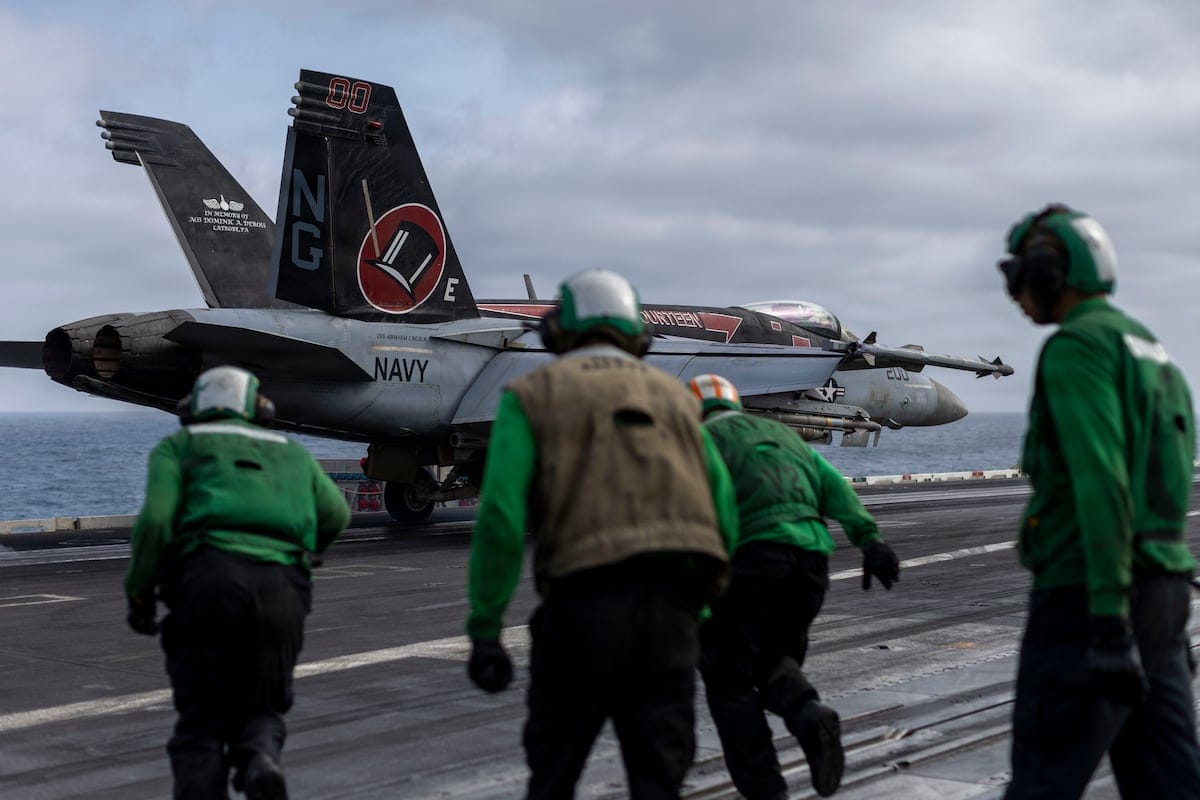
The operational tempo of the US Navy has come under intense scrutiny following the recent conflict with Iran. As the Navy grapples with its ongoing challenges, decision-making during the war has highlighted significant flaws in its operational readiness and availability of resources.
Strained Carrier Availability
Carrier availability has been a longstanding issue for the US Navy. The Iran war has exacerbated these struggles, revealing critical deficiencies in the Navy's operational tempo. Factors contributing to this situation include:
- Increased deployment cycles
- Maintenance backlogs
- Resource allocation challenges
These factors have collectively stressed the Navy's ability to sustain a robust presence in key operational areas, particularly in the Persian Gulf.
Potential Reduction in Gulf Military Presence
In light of the recent conflict, the US is now weighing a potential reduction of its military presence in the Persian Gulf. Some officials have indicated that the outcome of the Iran war is prompting a reassessment of the need for a significant military footprint in the region. Key points to consider include:
- The strategic implications of decreased presence
- Impact on regional allies and partnerships
- Long-term operational readiness of naval forces
This deliberation underscores a broader evaluation of US military strategy as it adjusts to the outcomes of ongoing conflicts.
As the Navy confronts these operational challenges and the potential shift in military posture, the focus will remain on ensuring that the service can adequately meet future demands without compromising its readiness. The lessons learned from the Iran war will likely inform strategic decisions moving forward.
Sources: Defensenews, Thedefensepost, The New York Times, The Jerusalem Post, ABC News - Breaking News, Latest News and Videos, and PBS
Edited by Daniel Vazdar, Editor. How DEFCROS News reports, sources and corrects.