US-Philippines Joint Military Exercises Ignite Regional Tensions

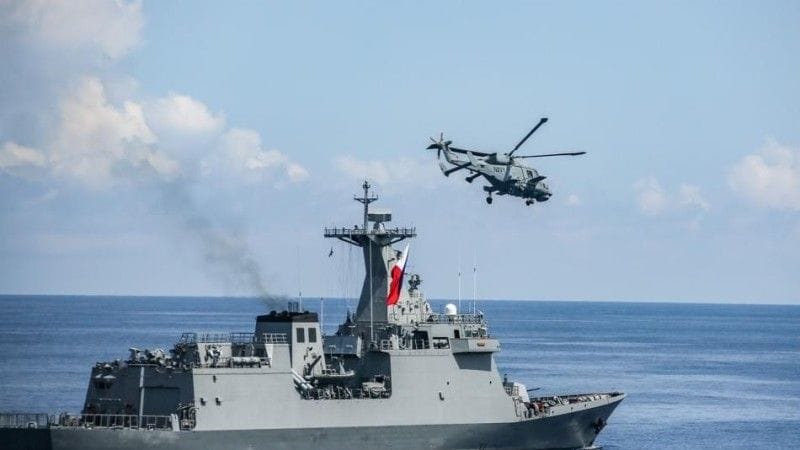
Major Military Drills Commence in the South China Sea
The United States and the Philippines have initiated one of the largest joint military exercises in history, with participation from multiple countries. These drills are being conducted in the South China Sea amidst strong disapproval from China, highlighting the escalating tensions in the region. The exercises underscore a commitment to regional security and defense cooperation.
This large-scale military collaboration reflects a strategic alignment between the US and Philippines, further solidifying their partnership in response to growing concerns over China’s assertiveness in the South China Sea. As Beijing has expressed its discontent, the joint exercises may be perceived as a direct challenge to Chinese territorial claims and influence in the area. The involvement of additional countries amplifies the message of solidarity against aggression and emphasizes the importance of multilateral security efforts.
Implications for Regional Security Dynamics
The significance of these exercises cannot be overstated. They not only enhance operational readiness among participating forces but also serve as a deterrent against potential aggressive actions by China. The implications for regional security are profound, as these maneuvers could lead to an increased militarization of the South China Sea, potentially resulting in further confrontations between regional powers.
Analysts will be watching to see how China responds in the coming weeks, as its reactions could shape future military and diplomatic engagements in the region. The exercises raise questions about the balance of power in the South China Sea, particularly as nations assess their strategies in light of heightened military activities. This development highlights the ongoing strategic competition between the US and China, with potential ramifications for global security dynamics.
Sources: Defence24, UNITED24 Media, Council on Foreign Relations, Financial Times, and Modern Diplomacy