US Senate and House Vote to Halt Iran War Engagement

Legislative Action on War Powers
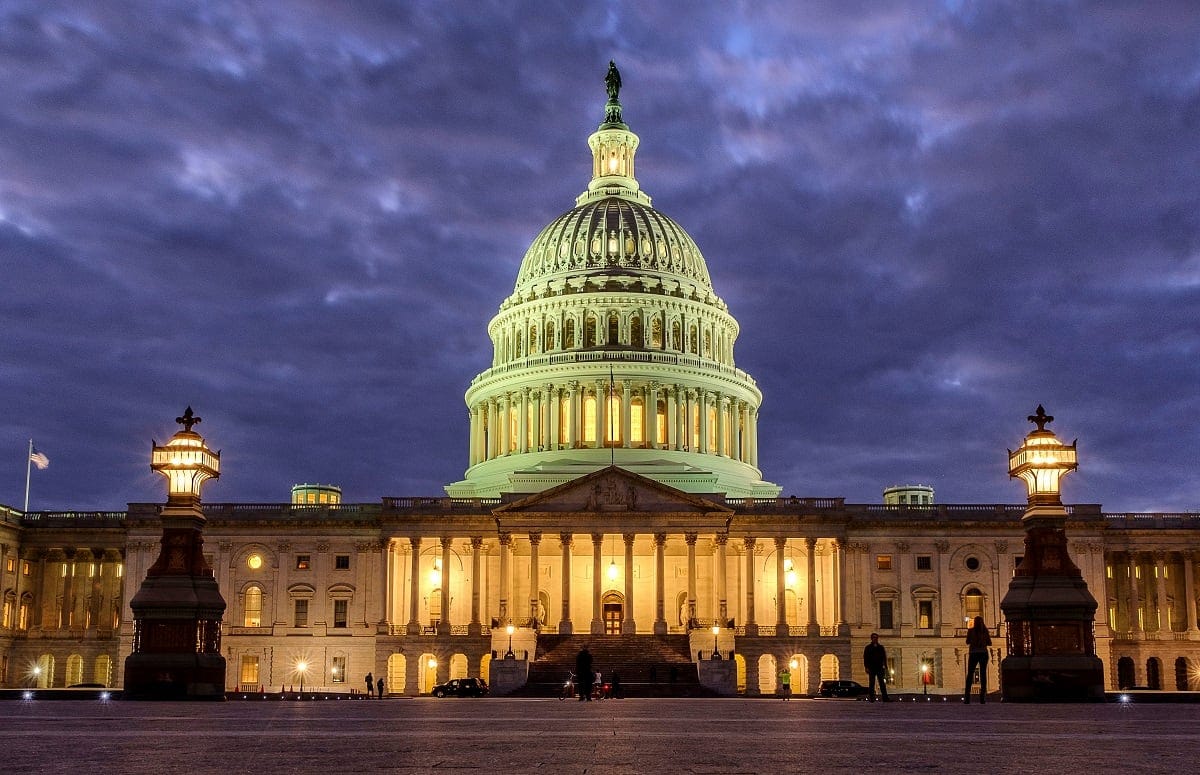
In a significant move, the US Senate joined the House in voting to direct President Trump to withdraw armed forces from hostilities in Iran. This action, occurring recently, represents the first time since the adoption of the War Powers Act in 1973 that both chambers of Congress have taken such a decisive step regarding military engagement.
This legislative decision underscores a growing concern among lawmakers about the scope of presidential authority in military matters. The War Powers Act was designed to check the executive branch's ability to engage in armed conflict without congressional approval. The recent votes reflect a bipartisan desire to reassert legislative oversight over military operations, particularly in the context of ongoing tensions with Iran. Analysts note that this could signal a shift in how future military engagements are approached, especially under the current administration.
Implications for Future Military Engagements
The significance of this congressional action cannot be understated. It raises questions about the balance of power between Congress and the President regarding military decisions. Lawmakers are now likely to scrutinize future military actions more closely, which could lead to a more cautious approach to foreign interventions. As the political landscape continues to evolve, the implications of this vote may influence broader discussions on national security and military policy.
This legislative shift not only reflects current political dynamics but may also impact America's strategic posture in the Middle East. With ongoing conflicts and diplomatic challenges, the ability of Congress to assert its role in military decisions could shape the future of US foreign policy in the region.
Sources: Defensenews, Modern Diplomacy, شفق نيوز, PGurus, and The New York Times