US Space Transportation Policy Integrates with Air Traffic Control Systems

New Collaboration Aims to Modernize Systems
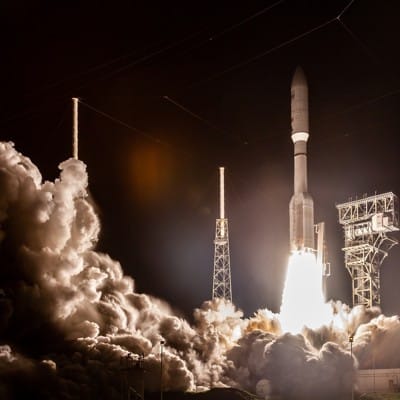
The White House has mandated a new space-transportation policy aimed at improving the integration of space launches with existing air-traffic control systems. This directive calls for collaboration among the Pentagon, NASA, and the Transportation Department as the nation seeks to enhance its outdated systems in light of increasing space activity. The announcement comes as the US prepares for more frequent space launches, recognizing the need for a coordinated approach to ensure safety and efficiency in both air and space operations.
As commercial space ventures and government missions expand, the challenge of managing airspace and space traffic concurrently becomes increasingly complex. The current systems lack the capability to support the anticipated surge in launches and related activities. By integrating efforts across key agencies, the administration aims to create a more robust framework for overseeing airspace and space operations, which is crucial for maintaining safety and operational efficacy.
This initiative represents a significant shift in how the US approaches the intersection of aviation and space operations, particularly as private space companies continue to rise. With the integration of air-traffic control and space launch protocols, it is expected that the US will be better positioned to manage the complexities of modern aerospace activities. For the military, this collaboration may streamline operational planning and improve situational awareness during launches. Additionally, commercial entities will benefit from a more structured environment for their operations, potentially leading to increased investment and innovation in the space sector.
Sources: Defenseone, Nextgov/FCW, Ars Technica, Air & Space Forces Magazine, and Space
Edited by Daniel Vazdar, Editor. How DEFCROS News reports, sources and corrects.