US State Department Alleges Cuban Espionage and Support for Domestic Extremism

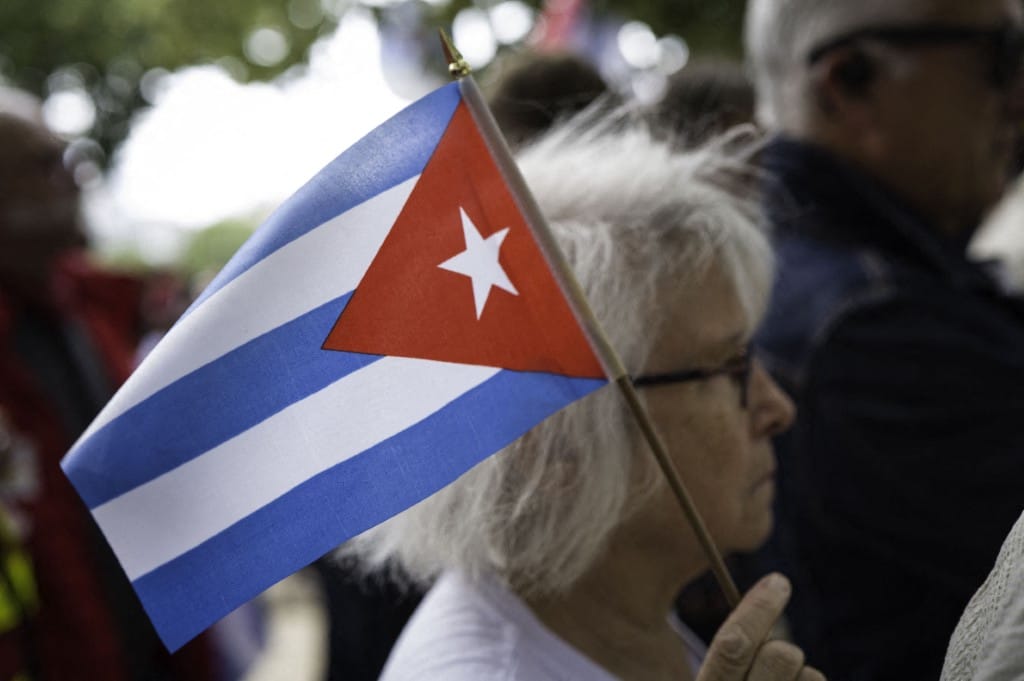
Accusations Against Cuba
A report released by the US State Department on Monday has accused Cuban spies of infiltrating key decision-making roles within the US government. This espionage is claimed to be part of a broader strategy to support what the report describes as "left-wing terrorism" on American soil. These allegations highlight ongoing tensions between the United States and Cuba, particularly in the context of national security.
Context and Analysis
The accusations come at a time when US-Cuban relations remain strained, with historical grievances still shaping perceptions and policies. The report suggests that the infiltration is not merely a matter of intelligence gathering but also involves active participation in domestic unrest, thereby raising concerns about the potential influence of foreign entities on US political dynamics. The assertion of Cuban involvement in left-wing terrorism may indicate a shift in the narrative used by US officials to justify increased surveillance and counterintelligence measures.
As the Biden administration had initiated a different approach towards Cuba, focusing on engagement and diplomacy, these allegations could complicate any attempts to reset relations. The report could prompt renewed scrutiny of Cuban activities within the US and lead to heightened security measures.
Why it Matters
The implications of these findings are significant for US national security. This raises the question of how the US will respond to perceived threats from foreign actors operating within its borders. Analysts will be watching closely to see if these allegations result in a shift in policy, particularly concerning Cuba and other nations viewed as adversaries. Increased attention to domestic extremism linked to foreign influence could reshape the focus of intelligence operations in the coming months.
Sources: Thedefensepost, NBC 6 South Florida, thenationalnews.com, KMVU FOX 26 Medford, and CTV News