USAF's Dual Approach to Collaborative Combat Aircraft: An Analytical Briefing

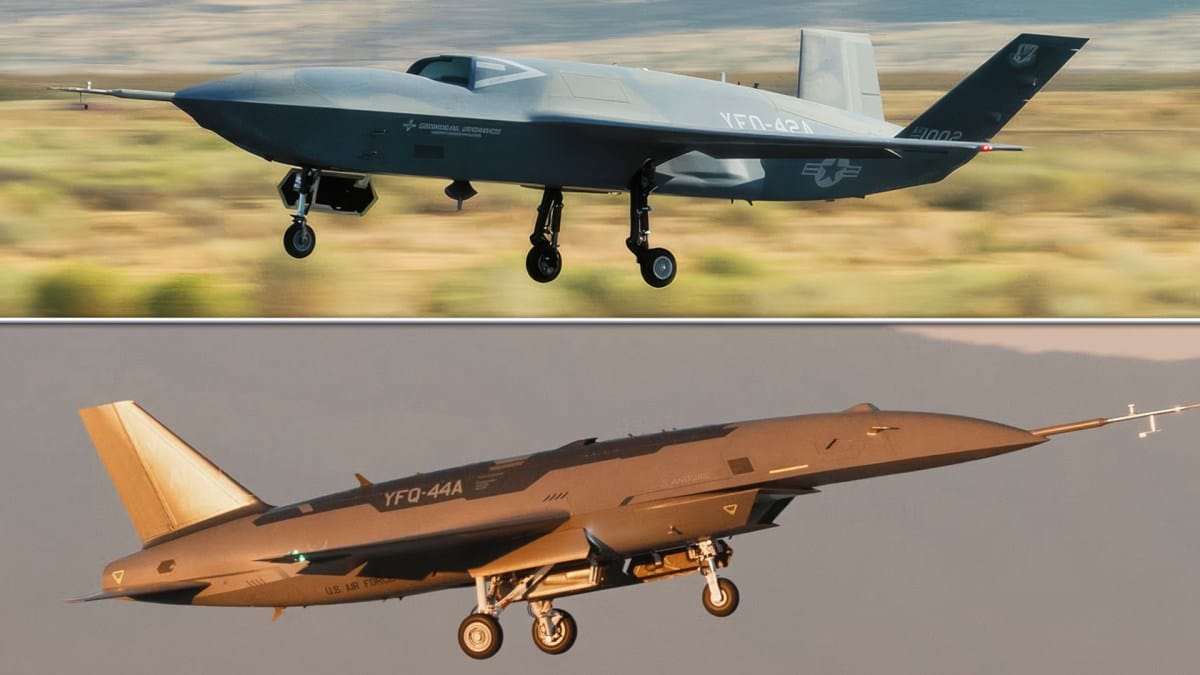
The U.S. Air Force (USAF) is taking a notable step in its procurement strategy by ordering both General Atomics' FQ-42 and Anduril's FQ-44 Collaborative Combat Aircraft. This decision highlights the advantages of diversifying options in what remains a high-risk program.
What Happened
The USAF has opted to place orders for two distinct Collaborative Combat Aircraft designs instead of selecting a single platform. This dual approach comes with several potential advantages:
- Risk Management: By investing in both aircraft, the USAF may mitigate risks associated with reliance on a single developmental program.
- Operational Flexibility: Each design could provide unique capabilities that enhance overall operational effectiveness.
- Competitive Landscape: The USAF's choice promotes competition between General Atomics and Anduril, which could lead to technological advancements and improved cost efficiency.
Key Players
The two primary contractors involved in this initiative are:
- General Atomics: Known for its extensive experience in unmanned aerial systems.
- Anduril: A newer player in the defense sector, recognized for its innovative approaches to defense technology.
Additionally, six other companies will compete to develop the autonomy software for these aircraft, further broadening the competitive environment surrounding this program.
The Bigger Picture
The USAF's commitment to both the FQ-42 and FQ-44 signifies a strategic shift in how the service approaches the development and integration of new technologies. This move could have several implications for future defense procurement strategies:
- Analysts will be watching the effectiveness of this dual acquisition strategy as it unfolds, particularly in terms of how it influences production timelines and operational readiness.
- The outcome of this program could set a precedent for future acquisitions, emphasizing the value of competition and diversity in technology development.
This strategic decision not only reflects the USAF's current operational needs but also positions it to adapt to evolving threats in the aerial combat landscape.
Sources: Twz, Defenseone, af.mil, The War Zone, Air & Space Forces Magazine, and Reuters