USS George H.W. Bush Deploys LOCUST Laser Against Drone Threats

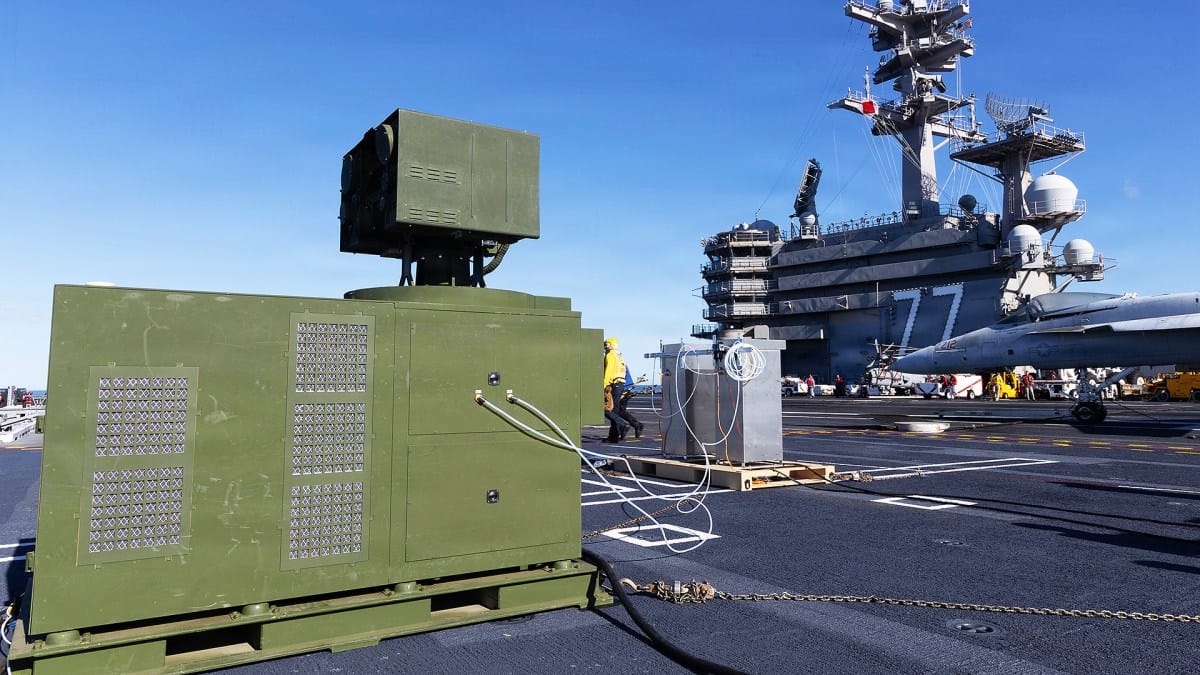
Engagement of Laser Technology
In a significant demonstration of emerging military technology, the USS George H.W. Bush successfully fired its LOCUST laser system at aerial drone targets. This event, which underscores the Navy's commitment to integrating advanced defensive measures, took place aboard the supercarrier as part of its ongoing operations. The LOCUST system, while still limited in range and speed, represents a growing interest in laser technology as a viable layer of defense against various aerial threats.
Context and Technological Implications
The integration of laser systems like LOCUST into naval operations is a response to the increasing complexity of modern warfare, where unmanned aerial systems (UAS) pose significant challenges. Traditional defensive measures may not always suffice against swarms of drones, making the need for cutting-edge solutions critical. The LOCUST laser serves as a cost-effective alternative for intercepting drones, offering the ability to neutralize threats without the logistical burden of conventional munitions. This capability enhances the operational effectiveness of naval vessels by providing a rapid response to potential attacks.
However, the current limitations of laser systems in terms of range and target acquisition speed highlight ongoing challenges. Analysts will be watching how the Navy addresses these limitations as laser technology evolves. The potential for lasers to play a crucial role in naval defense systems could reshape engagement strategies, particularly in contested environments.
Why it matters: The successful engagement of the LOCUST laser not only showcases technological advancements but also raises questions about future naval combat scenarios. As threats from drones and other aerial systems increase, the Navy's ability to adapt and implement innovative solutions like lasers could significantly influence naval strategy and operational readiness. The implications of this technology could extend beyond individual engagements, affecting broader military tactics and the development of aerial defense systems in the years to come.
Sources: Twz, The War Zone, and U.S. Naval Institute