Vietnam Nears Completion of Militarized Outposts in the South China Sea

Vietnam’s Strategic Land Reclamation Initiatives in the South China Sea
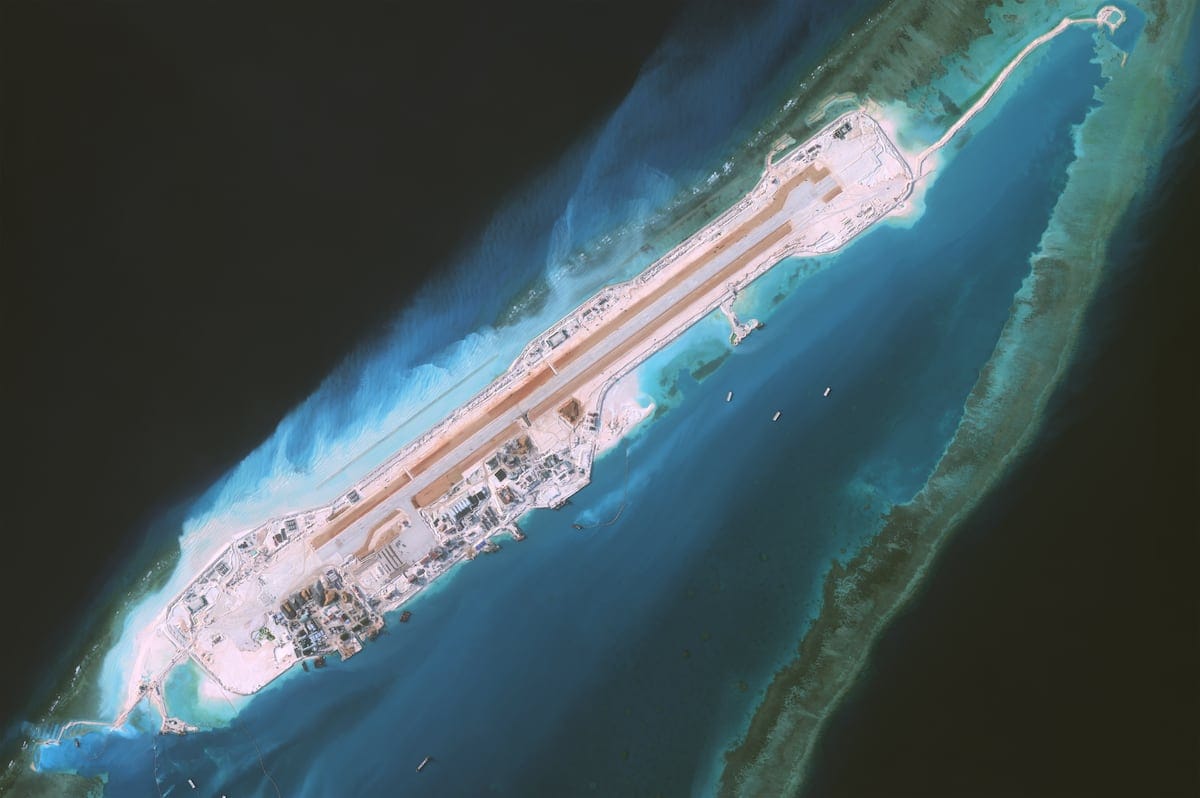
Overview of Developments Vietnam has significantly escalated its land reclamation endeavors in the South China Sea, with recent construction activities focused on eight previously undeveloped features within the Spratly Islands. This area is characterized by intense territorial disputes, transforming from a collection of submerged reefs and rocks into militarized artificial islands, primarily under the influence of Vietnam and China. Context of the Dispute The South China Sea, a strategically vital maritime zone spanning approximately 1.4 million square miles, is rich in natural resources and experiences the passage of trillions of dollars in trade annually. Six nations assert overlapping claims to this crucial waterway, yet China maintains a dominant presence, asserting extensive territorial claims. Motivations Behind Vietnam’s Expansion Hanoi’s drive for island development is perceived as a defensive maneuver in direct response to China’s militarization of its outposts in the region, particularly since 2013. Analysts note that while Vietnam initiated its reclamation efforts in 2021, it has enhanced all 21 of its occupied maritime features, achieving nearly 70% of the artificial land volume created by China as of March, according to the Asia Maritime Transparency Initiative.
- Strategic Importance:
- Vietnam’s economy is heavily reliant on maritime trade, with 90% of its exports traversing this sea.
- Historical invasions, notably by the French and Americans, underscore the strategic need for maritime security against perceived Chinese aggression.
Emerging Military Outposts Recent satellite imagery indicates Vietnam’s transformation of five previously minimal defense structures into fortified military outposts. Features such as Alison Reef, Collins Reef, and East Reef are now equipped with munitions storage facilities and expanded infrastructure, including substantial runways on Barque Canada Reef.
- Symbolic and Practical Implications:
- While Vietnam’s efforts bring it closer to matching the scale of China’s reclamation activities, experts emphasize that Vietnam’s capabilities for power projection remain significantly inferior to China’s extensive military installations, which include advanced missile systems and air defense assets.
Geopolitical Considerations Hanoi has navigated its reclamation strategy cautiously, mindful not to provoke Beijing while avoiding perceptions of engaging in similar aggressive maneuvers as those undertaken by China. This careful diplomatic stance comes amid uncertainties regarding Washington’s evolving position on the matter.
- U.S. Perspective:
- Initially, the U.S. dissuaded Vietnam’s reclamation efforts to maintain a principled stance against altering the status quo. However, circumstances may have shifted, with some U.S. officials now viewing Vietnam’s actions as a counterbalance to China’s assertiveness.
Current Challenges and Opportunities Although Vietnam’s navy sought to accelerate its reclamation initiatives earlier, logistical and financial constraints delayed progress until 2021. Beijing’s responses to these developments have generally remained subdued.
- Incidents of Interference:
- Vietnamese reporting occasionally documents Chinese vessels obstructing construction activities, although these incidents are less frequently discussed in local media.
Strategic Timing and Regional Dynamics The existing geopolitical landscape offers Vietnam a unique opportunity to solidify its maritime claims, especially as Chinese focus shifts toward the Philippines. Analysts suggest that the current environment has allowed Vietnam to capitalize on a moment of relative regional distraction.
- Regional Reception:
- Many countries perceive Vietnam’s reclamation efforts favorably, viewing them as a necessary counterweight against China’s extensive militarization in the South China Sea.
Through strategic land reclamation initiatives, Vietnam aims to bolster its territorial integrity and defense capabilities, counteracting China’s assertive posture while striving to establish a more equitable balance of power in the region.