Virginia-Class Submarines Reclassified as Guided Missile Vessels

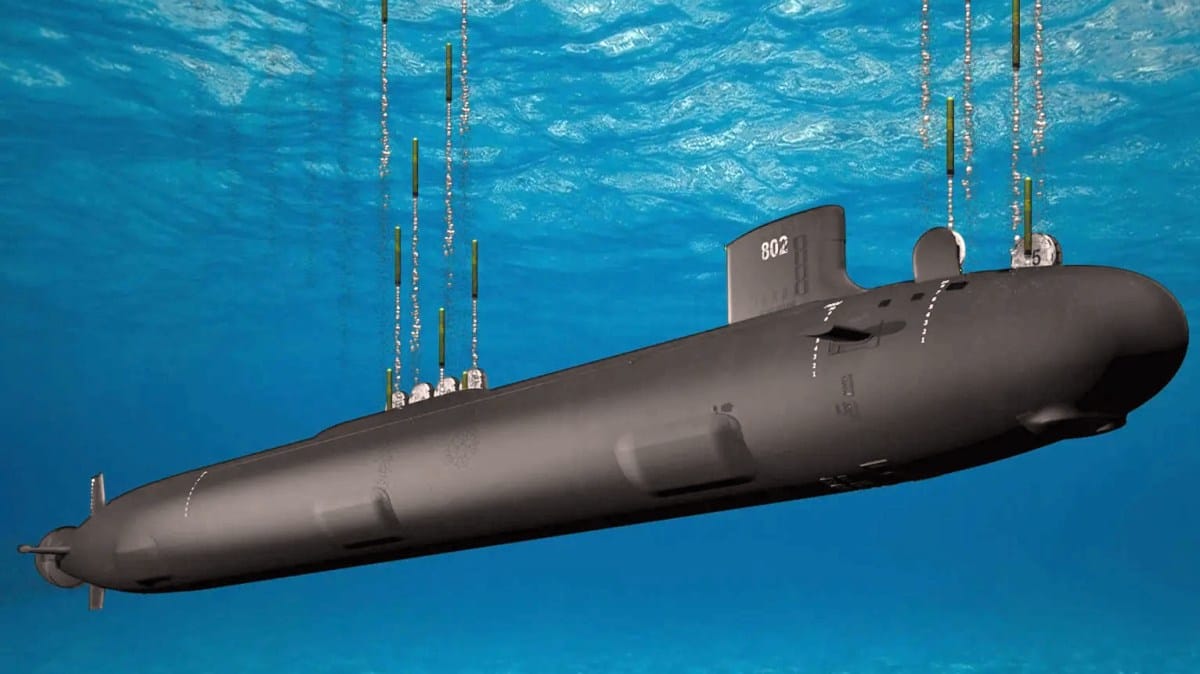
The US Navy has announced a significant shift in the categorization of its Virginia-class submarines. In a move that underscores an evolution in naval warfare capabilities, the Navy will no longer label the enlarged Virginia Block V and VI types as attack submarines. Instead, these vessels are now categorized as guided missile submarines (SSGNs). This adjustment comes in light of the impending retirement of the Ohio-class guided missile submarines, which have been essential to the Navy's strategic operations.
Key Details on the Virginia-Class Reclassification
The reclassification of 19 planned Virginia-class submarines is reflective of an enhanced focus on firepower. The decision aligns with the Navy's broader strategy to modernize its fleet and adapt to contemporary threats.
- The Virginia-class fast attack submarines are designed to perform various missions, including anti-submarine warfare, anti-surface ship warfare, and land attack.
- The new categorization highlights the submarines' advanced capabilities, which include significant onboard firepower.
- This transition is part of a larger effort to integrate more sophisticated weapon systems into the Navy's arsenal.
Strategic Implications of the Change
This reclassification signals a pivotal moment for the US Navy as it prepares to phase out older vessels and incorporate next-generation technology into its operations. The enhanced categorization could result in:
- Increased focus on missile capabilities in naval strategy.
- Potential shifts in procurement and budgeting as the Navy invests in new technologies and systems.
- Greater emphasis on multi-role operations that leverage the strengths of these guided missile submarines.
As the Navy adapts to shifting geopolitical landscapes, the integration of advanced systems in the Virginia-class submarines will likely play a critical role in maritime security and deterrence strategies.
In conclusion, the transition from attack to guided missile submarines reflects the Navy's commitment to innovation and readiness in a rapidly changing global environment. The implications of this change may resonate throughout the defense community as they assess the evolving landscape of naval warfare.
Sources: Twz, Thedefensepost, navy.mil, Navy Times, ExecutiveGov, and The Defense Post
Edited by Daniel Vazdar, Editor. How DEFCROS News reports, sources and corrects.