War with Iran Strains US Naval Forces in the Pacific Amid Congressional Losses

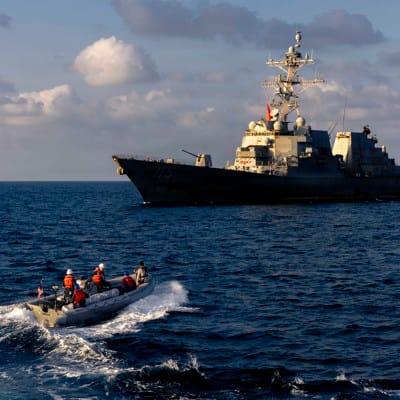
As tensions continue to escalate in the Middle East, the ongoing war with Iran is exerting significant pressure on US military resources, particularly naval forces in the western Pacific. This situation raises serious concerns regarding the US's credibility and its commitments to allies in the region.
Impact on Naval Readiness
Experts have voiced alarm over the depletion of US naval capabilities due to the conflict. The war has not only strained operational readiness but also compromised the United States' ability to project power in the Pacific. As one expert noted, "It’s really a big problem. It’s a problem for credibility. It’s a problem for our allies in the Far East."
- Reduced naval presence in the western Pacific
- Increased pressure on remaining naval assets
- Potential erosion of ally confidence in US commitment
Political Repercussions of Military Engagement
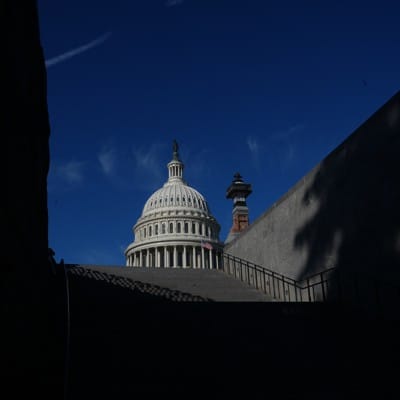
In a recent admission, President Donald Trump acknowledged that the war with Iran played a role in the Republicans' losses during the Congressional elections. This statement reflects the growing concern among political leaders regarding the domestic implications of prolonged military engagements.
Trump stated that he would accept the election results and congratulated the Democrats, while simultaneously indicating his intention to veto their proposals. This dual stance suggests a complex political landscape where military decisions are intertwined with electoral outcomes.
As the administration navigates these challenges, the implications of the ongoing conflict with Iran extend beyond military readiness, affecting both international relations and domestic political dynamics.
Key Takeaways:
- The war with Iran is significantly affecting US naval operations in the Pacific.
- Political ramifications from military actions are becoming increasingly evident.
- Credibility with allies is at risk due to diminished US presence and capacity.
Sources: Defenseone, Defence24, The Atlantic, Politico, Los Angeles Times, and The New York Times
Edited by Daniel Vazdar, Editor. How DEFCROS News reports, sources and corrects.