B-1B “Apocalypse II” Returns to Active Duty

Reactivation of a Strategic Asset
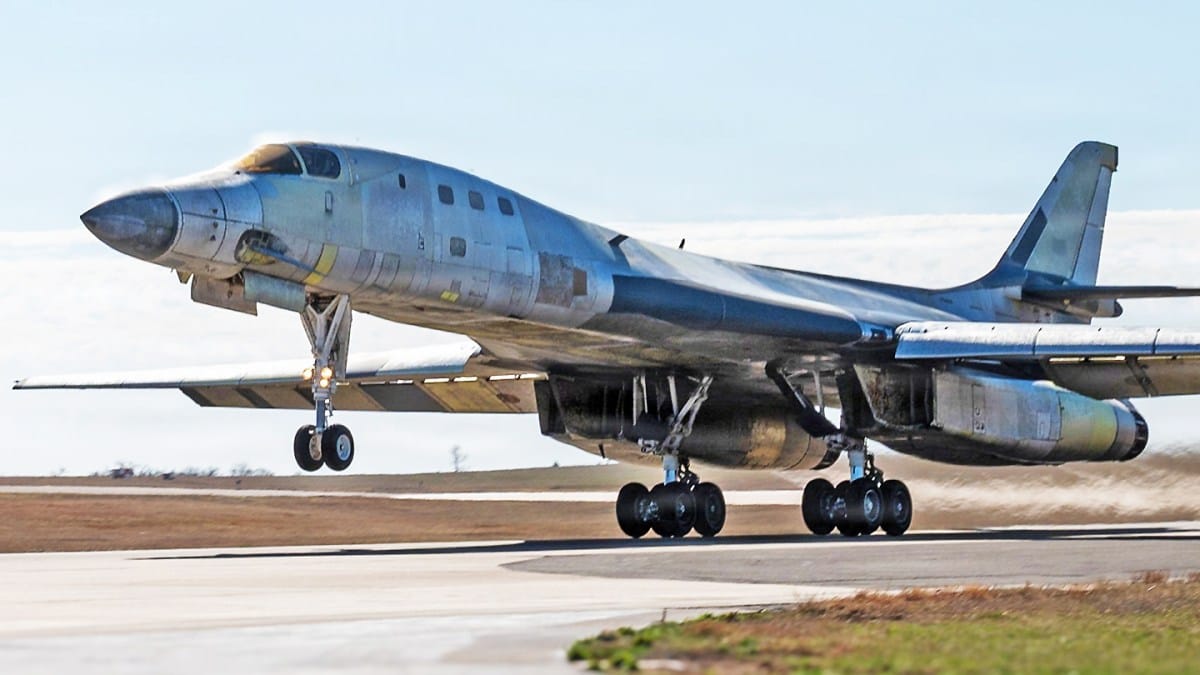
The B-1B bomber, previously known as Rage, has successfully transitioned out of the boneyard and back into active service after nearly two years of extensive refurbishment. This milestone was achieved as part of a larger effort to enhance the operational capabilities of the U.S. Air Force amid evolving global threats.
This reactivation underscores a significant commitment to modernizing and maintaining the United States' strategic bomber fleet. The B-1B, with its variable-sweep wing design and ability to deliver both conventional and nuclear ordnance, remains a vital component of the U.S. military's long-range strike capabilities. The refurbishment process included upgrades to avionics, weapons systems, and other critical components, ensuring that the aircraft can meet contemporary combat requirements.
Why It Matters
The return of the B-1B “Apocalypse II” highlights the importance of maintaining a versatile and ready strike force. As geopolitical tensions rise and adversaries continue to advance their military technologies, the U.S. must ensure its airpower remains effective and responsive. This raises the question of how the reactivated B-1B will be integrated into current operational strategies and what implications this has for U.S. deterrence efforts. Analysts will be watching closely to see how this asset is deployed in future operations and the potential for further enhancements across the bomber fleet.
Sources: Twz, 19FortyFive, thebulletin.org, The War Zone, and USNI News