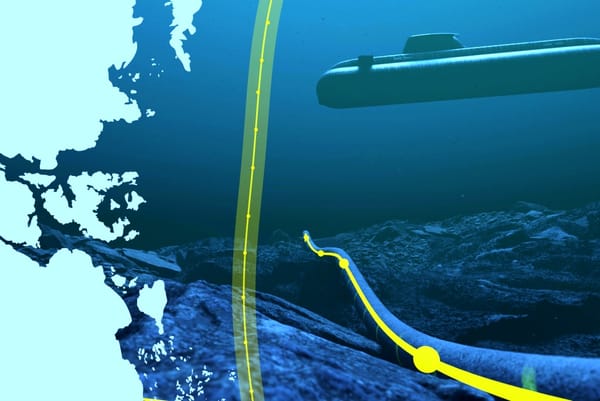
CISA Aims for Resilient Critical Infrastructure Amid Conflict

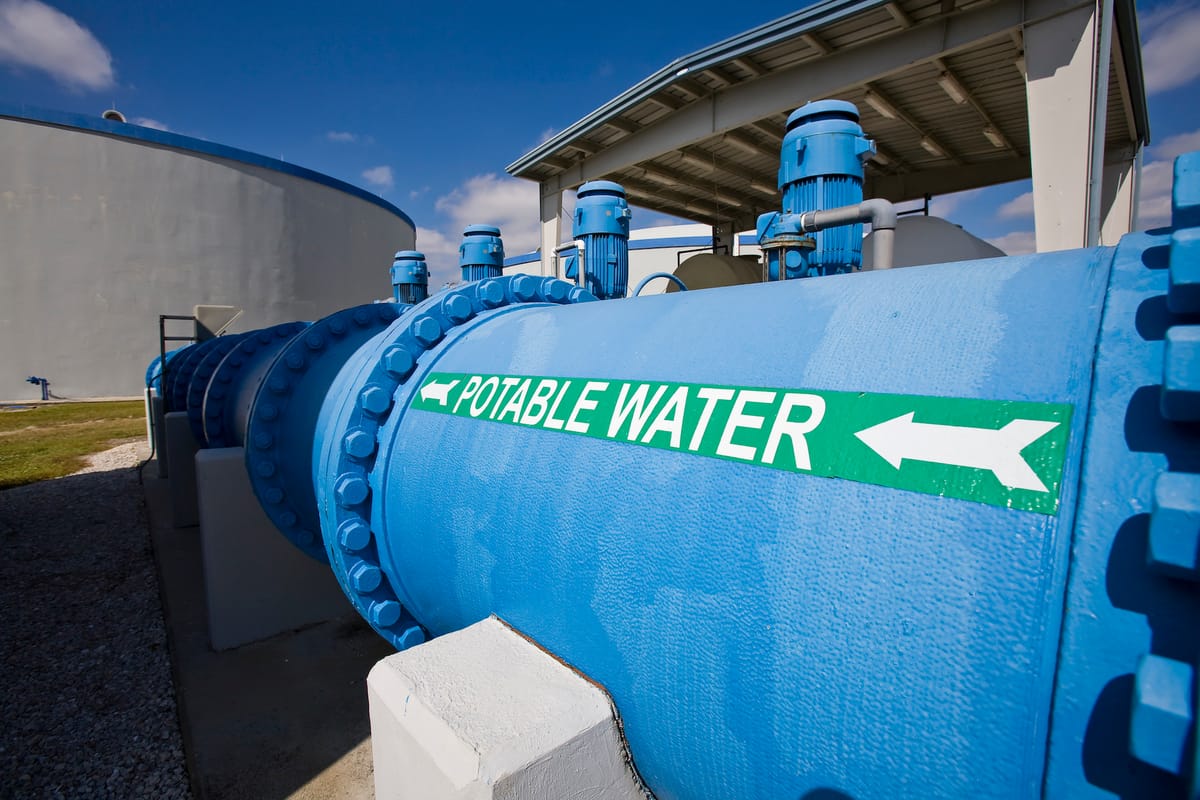
Strategic Isolation for Operational Continuity
The Cybersecurity and Infrastructure Security Agency (CISA) has announced plans to enhance the resilience of critical infrastructure by enabling these entities to operate independently for “weeks to months” during periods of conflict. This initiative is particularly relevant in today's geopolitical climate, where the risk of cyber threats and attacks on essential services is escalating. CISA's approach includes targeted assessments aimed at helping critical infrastructure organizations successfully disconnect their operational technology (OT) networks from information technology (IT) systems and third-party vendors.
This proactive measure reflects a growing recognition of the vulnerabilities present in critical infrastructure sectors, including energy, transportation, and communications. By isolating OT networks, CISA aims to mitigate the risk of cyberattacks that could disrupt services and endanger public safety. The assessments will provide tailored guidance to entities on maintaining functionality without reliance on external systems, thereby reducing potential points of failure during crises.
Why It Matters
The implications of CISA’s initiative are significant for national security and the operational integrity of critical infrastructure. As analysts consider the evolving landscape of cyber warfare, this strategy raises questions about the readiness of these systems to withstand prolonged isolation. Furthermore, the initiative underscores the necessity for ongoing investment in cybersecurity measures and resilience-building practices within the infrastructure sector. The ability to operate independently could become a critical factor in ensuring national stability during times of conflict.
Sources: Cyberscoop, CISA (.gov), Industrial Cyber, and Federal News Network