Disruption of Oil Supplies to Eastern Germany: Implications for Political Dynamics

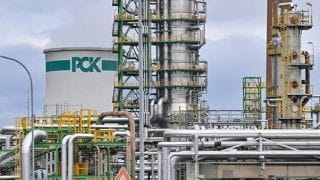
Overview of the Situation
A sudden cessation of Kazakh crude oil shipments to eastern Germany has raised significant concerns regarding fuel security in the region. This disruption is particularly consequential as it coincides with the approach of regional elections, providing the Alternative for Germany (AfD) party with a potential advantage in its campaign efforts. The timing of this oil supply halt suggests strategic maneuvering that could influence voter sentiment in the upcoming political landscape.
Context and Analysis
The interruption of oil supplies from Kazakhstan is not just an energy concern but also a political opportunity for the AfD. With fuel security being a critical issue for voters, the party may leverage the situation to criticize current energy policies and governmental management, positioning itself as a champion of national interests. The implications of this disruption extend beyond immediate fuel shortages; they may also affect public opinion and electoral outcomes.
Additionally, this scenario highlights the vulnerabilities in Germany's energy supply chain, particularly in the context of its reliance on external sources. Analysts will be watching how the government responds to this crisis and whether it can mitigate the impact on the public before the elections.
Why It Matters
The recent developments raise questions about the stability of energy supplies in Europe and the potential for political shifts in Germany. The AfD's ability to capitalize on this situation could reshape the political landscape, influencing not only regional elections but also broader national policies regarding energy security and foreign relations. As energy dynamics evolve, stakeholders will need to assess how such disruptions might spur changes in government strategy and public discourse surrounding energy independence.
Sources: Defence24, Defence24.com, Travel And Tour World, Crude Oil Prices Today | OilPrice.com, and politico.eu