Expanding Drone Capabilities: U.S. and South Korea Take Strategic Steps

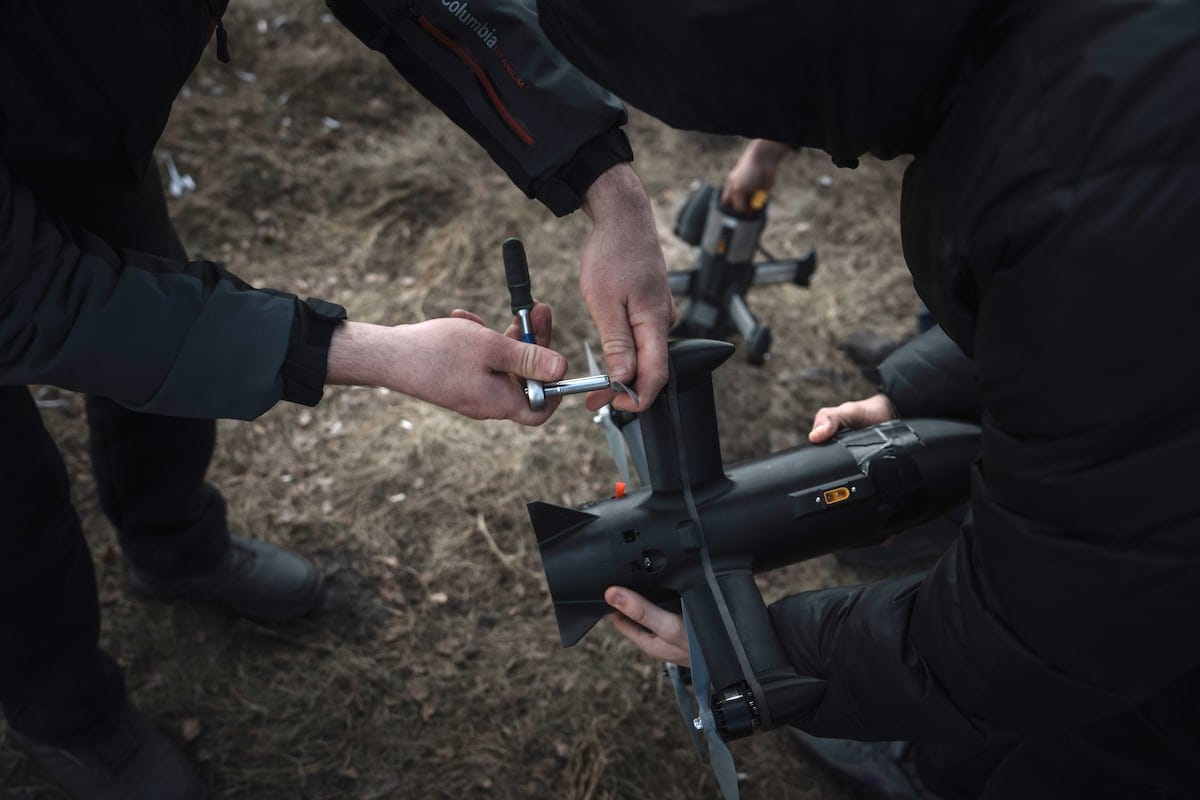
The integration of unmanned systems into military operations is gaining momentum in both the United States and South Korea, highlighting a significant shift in modern warfare tactics. As Fort Stewart soldiers adapt to the use of drones through the newly established Marne Unmanned Center of Excellence, the Republic of Korea Army is also moving towards standardizing unmanned aerial systems as core equipment for its warfighters. This dual progression reflects a broader trend toward enhanced drone capabilities on the battlefield.
What Happened
At Fort Stewart, the U.S. Army is actively training soldiers to operate unmanned systems as part of a concerted effort to incorporate these technologies into military formations. The establishment of the Marne Unmanned Center of Excellence is a critical step in this initiative, focusing on developing a comprehensive training program for drone operators. This center aims to address the evolving needs of the battlefield, where drone capabilities are becoming increasingly essential.
Simultaneously, the Republic of Korea Army has announced plans to adopt unmanned aerial systems as standard equipment across various combat roles and units. This move signifies a strategic commitment to enhance operational effectiveness and adaptability in a rapidly changing security environment. The integration of drones into standard military practice is expected to streamline operations and improve response times in combat scenarios.
The Strategic Calculus
The push for drone standardization in both the U.S. and South Korean militaries raises important strategic questions regarding the future of warfare:
- Operational Efficiency: How will the integration of drones improve the efficiency and effectiveness of military operations?
- Training Requirements: What are the implications for training and resource allocation as both nations enhance their drone capabilities?
- Geopolitical Considerations: How might these developments impact regional security dynamics, particularly in the context of North Korea?
As both nations invest in unmanned systems, they may also need to consider the implications for joint operations and interoperability with allied forces. The emphasis on drones reflects a recognition of their potential to reshape combat strategies and enhance situational awareness on the battlefield.
What Comes Next
Looking ahead, the military strategies of the U.S. and South Korea will likely continue to evolve in response to these developments. Analysts will be watching for:
- The establishment of additional training centers similar to the Marne Unmanned Center of Excellence.
- The potential for collaborative exercises between U.S. and South Korean forces involving unmanned systems.
- Further advancements in drone technology that could influence operational tactics.
As drone technology advances, both nations must remain vigilant about the challenges and opportunities presented by these capabilities. The integration of unmanned systems is not just a trend; it represents a fundamental shift in how military operations will be conducted in the coming years.
Sources: Defensenews, Thedefensepost, nationalguard.mil, DVIDS, U.S. Department of War (.gov), and WJCL